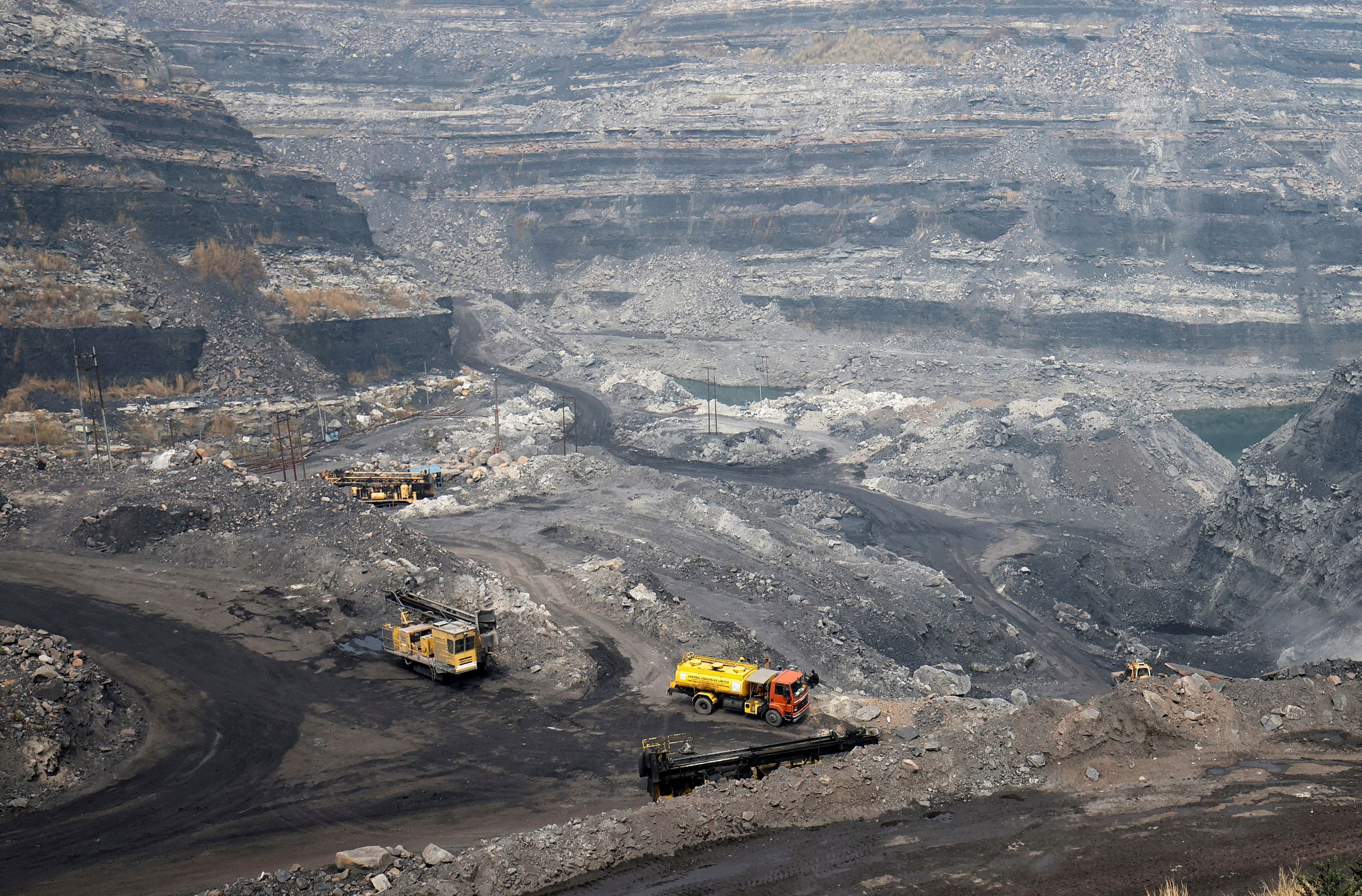
India is expected to increase its reliance on coal for decades before demand declines sharply later this century, according to long-term projections published by government think tank NITI Aayog.
Under current policies, which assume no major new decarbonization measures, India’s coal consumption is forecast to peak at 2.62 billion metric tons in 2050, more than double today’s level of 1.26 billion tons, the report said. Even by 2070, coal demand would remain high at 1.80 billion tons, largely driven by industrial use.
India has committed to achieving net-zero emissions by 2070, and under that scenario coal consumption would peak at a lower 1.83 billion tons in 2050, before plunging to just 161 million tons by 2070. By then, nearly all remaining coal use would be confined to hard-to-abate sectors such as steel and cement, requiring carbon capture, utilization and storage to meet emissions targets.
The world’s second-largest coal consumer after China currently relies on coal for nearly three-quarters of its power generation. To meet rising electricity demand, India plans to expand its coal-fired power capacity to 307 gigawatts by 2034–35, up from 212 gigawatts today.
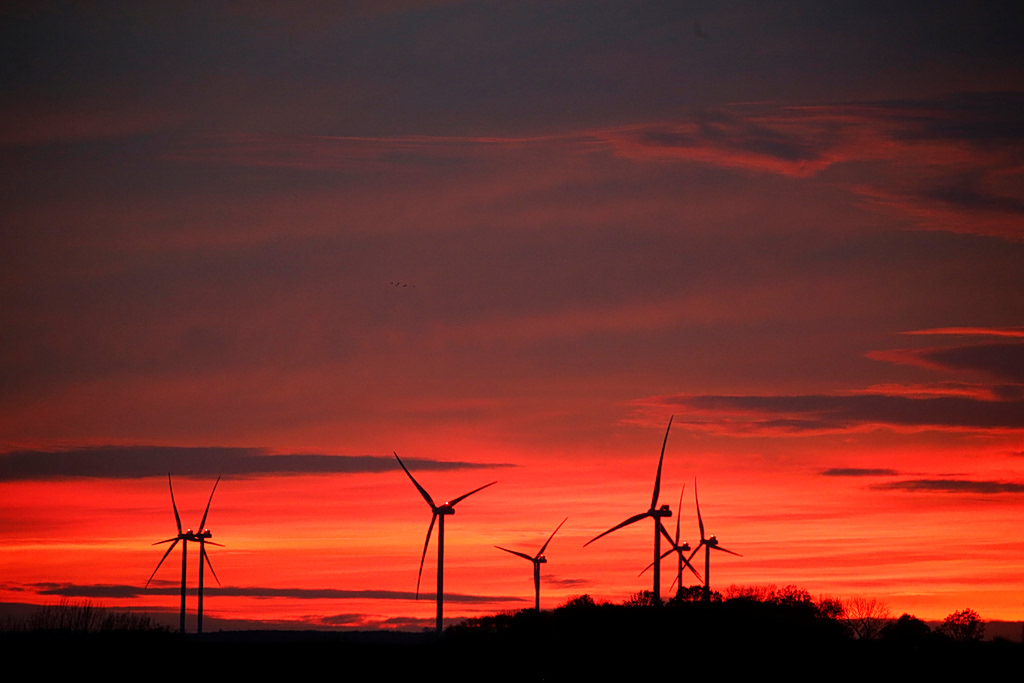
The report cautioned that coal will remain critical in the near term to support the rapid expansion of solar and wind power and to maintain grid stability. It said a transition away from coal would depend on large-scale battery storage, growth in nuclear energy, expansion of the power grid, and lower costs for clean technologies.