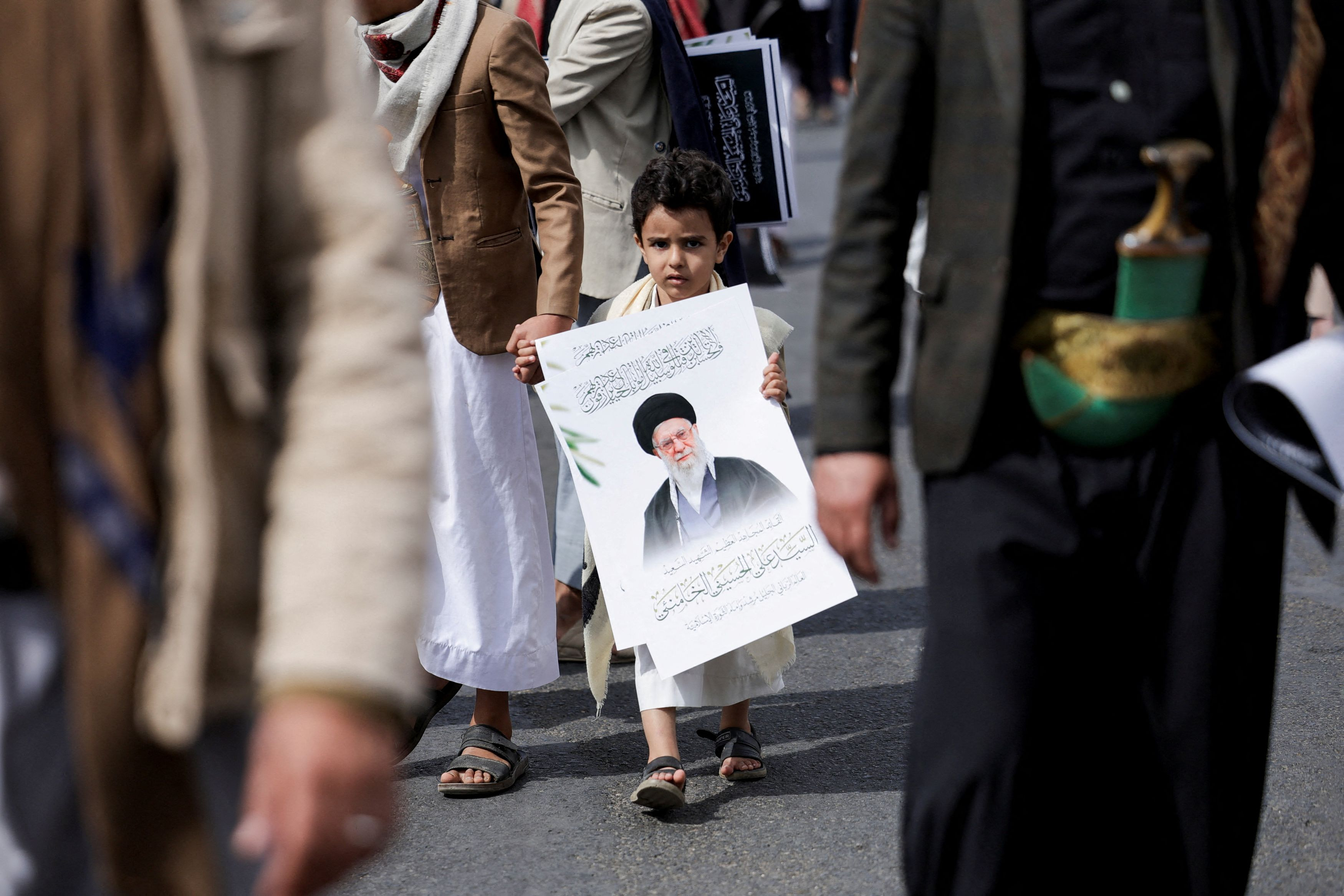
Iran’s Assembly of Experts has reached consensus on a successor to Ayatollah Ali Khamenei, according to reports by Iranian media on Sunday.
Ahmad Alamolhoda, a member of the clerical body that appoints Iran’s supreme leader, said the election had already taken place. Iran’s semi-official Mehr News Agency reported his comments.
Alamolhoda said the decision would be formally announced by Ayatollah Hashem Hosseini Bushehri, head of the assembly’s secretariat.
Another assembly member said the panel had largely agreed on a candidate but was still resolving procedural issues. Ayatollah Mohammadmehdi Mirbaqeri said a “majority consensus” had been reached, according to Reuters, though “some obstacles” in the process remained.
Iranian media also reported disagreement over how the assembly should finalize its decision.
Some members argued that the clerical body should meet in person before announcing the result. Others said the current security situation made such a meeting impossible.
Ayatollah Mohsen Heidari Alekasir said the assembly could not hold a plenary session under the current circumstances. In a video released by Nournews, he described the situation as “extraordinary” and said gathering members could expose them to attack.
He said the chosen candidate met a key condition set by the late Khamenei.
Iran’s next supreme leader, he said, should be someone “hated by the enemy” rather than praised by it.
One name frequently mentioned in speculation about the succession is Mojtaba Khamenei, the late leader’s son.
The 56-year-old cleric has strong ties to Iran’s Revolutionary Guards and is considered influential within Iran’s clerical establishment, according to Reuters. He has long been viewed as a potential successor despite never holding a formal government position.
U.S. President Donald Trump said this week that Mojtaba Khamenei appeared to be the most likely candidate, according to Reuters. He also warned that he would reject such a choice and suggested he should be personally involved in selecting Iran’s next leader.
Meanwhile, the Israeli military warned it would pursue any successor to Iran’s supreme leader. In a post on X in Farsi, it said it would also target those involved in appointing the next leader, according to The Guardian.
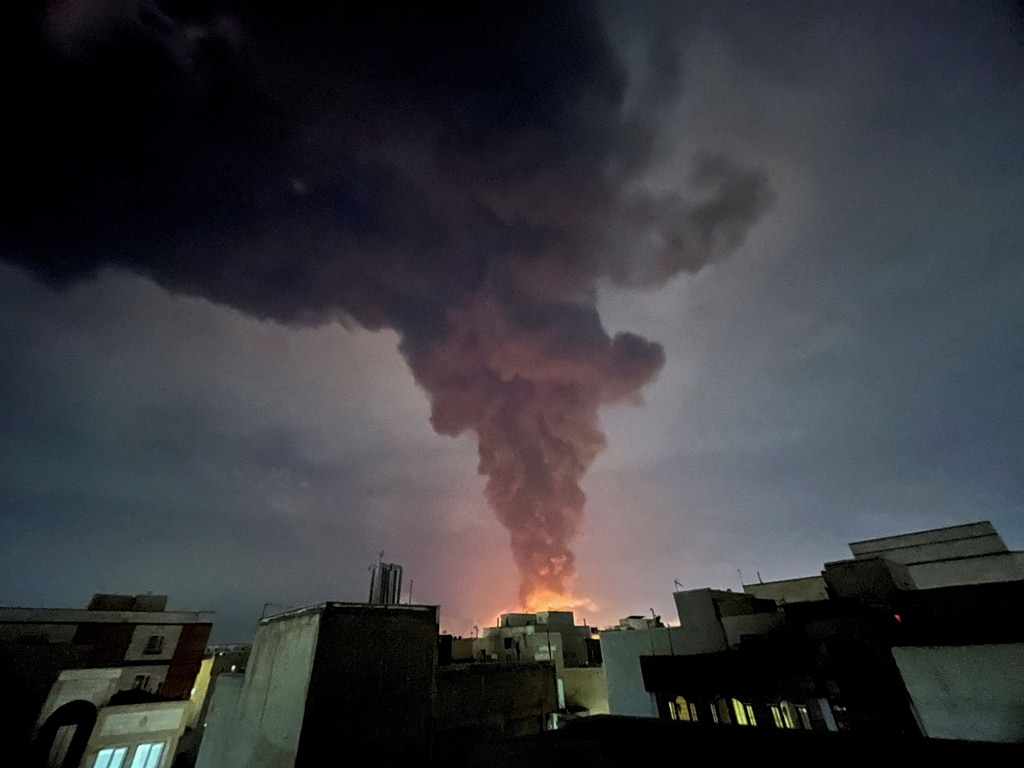
The succession process comes amid an ongoing war that began on Feb. 28. Israeli and U.S. strikes have killed dozens of Iranian officials and commanders, including Khamenei. Iranian media also reported that strikes destroyed an auxiliary building used by the Assembly of Experts in the city of Qom.