
 Μake us preferred on Google
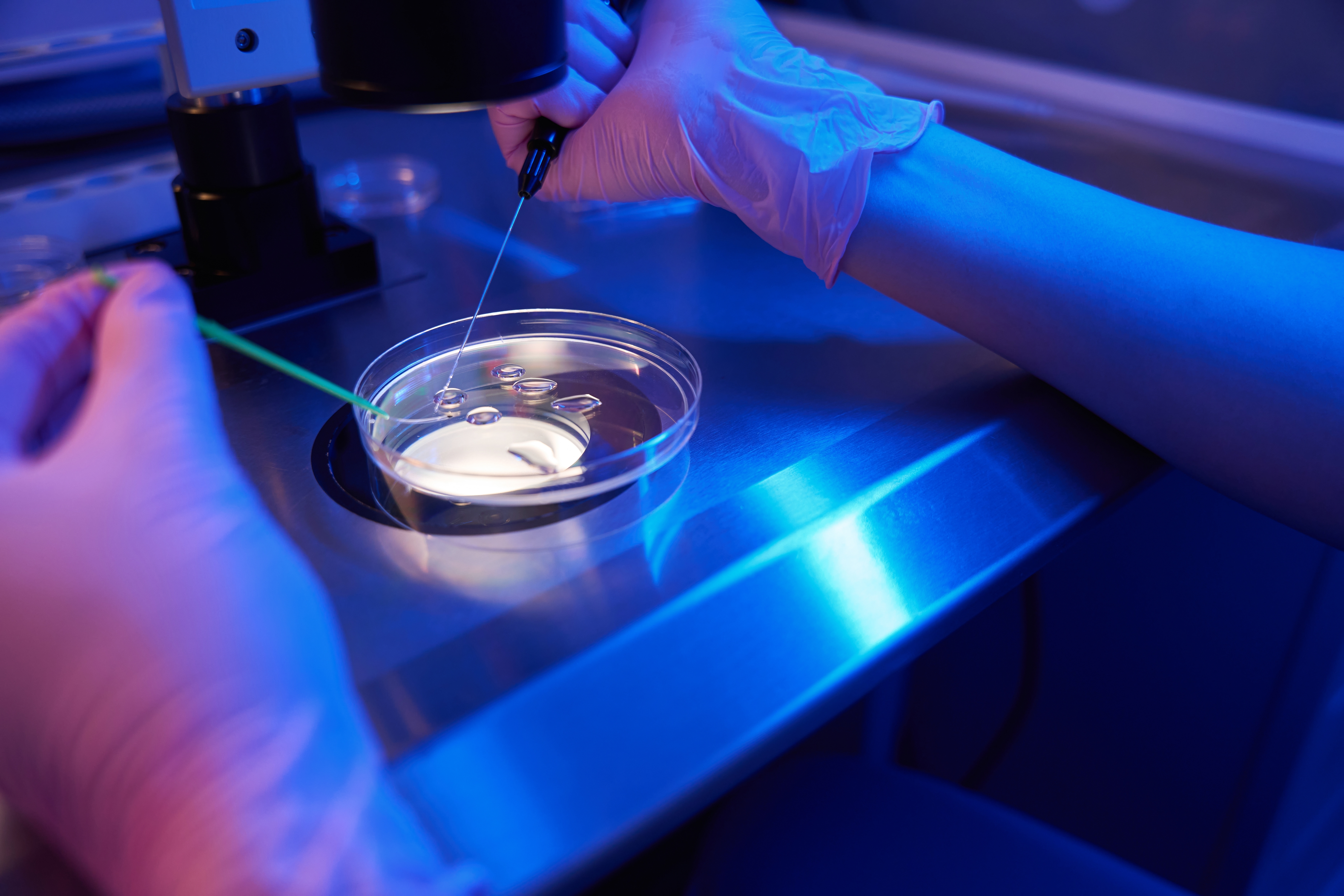
 A BBC investigation has found that at least 30 children, most of them British, may have been conceived through IVF treatment in Northern Cyprus using sperm or egg donors that weren’t the ones their parents chose.
In every case, the parents say they carefully selected an anonymous donor based on factors like medical history, appearance, personality, education, and interests, but later grew suspicious that different genetic material had actually been used.
This new figure builds on an earlier investigation from earlier in the year, which had uncovered seven similar cases. Half of the 30 cases identified so far are linked to a single clinic, Dogus IVF Centre. One mother, Rachel, described what happened to her as an outright scandal after learning the sperm donor used didn’t match her choice.
DNA Tests Crack the Case Open
Eleven of the 30 children have undergone commercial DNA testing, and the results showed genetic ancestry from Turkey or nearby regions, at odds with what parents had been told, since most had picked donors from Western Europe. Most of the tested children were conceived at Dogus between 2012 and 2024.
The findings have left families with unsettling questions: who are their children’s real biological donors, what is their medical history, and how many other children might share the same unknown donor.
Laura Britchens, founder of the group Donor Conceived UK, called the findings deeply troubling, stressing that every donor-conceived child has a fundamental right to know the truth about their origins.
How One Case Cracked It Open
Rachel’s story helped bring the pattern to light. In 2012, at age 39, she chose Dogus because the treatment cost far less than in the UK, around 4,000 euros, versus roughly 3,200 pounds at the time, and the package included sperm from Cryos International in Denmark, the world’s largest sperm bank.
She picked an anonymous Danish donor listed under the name “Ditto,” who had agreed to reveal his identity once any resulting children turned 18. That mattered to Rachel, since she wanted her son to eventually have the option of tracing his biological father.
Her doubts began when clinic staff, including patient coordinator Julie Hodson, repeatedly failed to provide documentation confirming that the chosen donor’s sperm had actually been used. When her son Jonah was born, his appearance didn’t match hers or the donor’s profile, deepening her suspicion. Thirteen years later, DNA testing confirmed Jonah was genetically her son, but not the child of the Danish donor she’d selected.
Cryos Has No Record of Supplying Dogus
After reviewing the DNA results, the BBC contacted Cryos International directly. The sperm bank said it has no record of ever having delivered sperm to Dogus, despite the clinic advertising its partnership with Cryos as a major selling point for years.
That revelation deepens families’ suspicions that they were misled about whose genetic material was actually used, and raises a troubling possibility: if Jonah’s real donor was used in other treatments too, there could be other children out there who are genetic siblings without knowing it.
Negligence or Deception?
Fertility experts told the BBC that accidentally using the wrong donor in an IVF procedure is extremely rare. The number of similar cases uncovered points to either negligence or deliberate deception, according to the British Fertility Society, which described it as a systemic problem going well beyond any single doctor or clinic.
Three people appear repeatedly across the 15 cases tied to Dogus. Dr. Sevket Alpturk owns the clinic and, under local rules, is responsible for approving all of its procedures. He treated the parents of six of the affected children and did not respond to the BBC’s questions.
Dr. Firdevs Uguz Tip, who treated the parents of the other nine Dogus-linked children, denies misleading patients and says Alpturk was responsible for approving procedures. She has also been connected to nine more similar cases at two other clinics since leaving Dogus in 2015, most involving Miracle IVF, which she now runs. She maintains her clinic follows the law and that patients sign consent forms explaining how donors are chosen, though many parents say they weren’t adequately informed.
Julie Hodson, the main contact point for most British patients, allegedly told patients repeatedly by email that Dr. Firdevs would order sperm from Cryos on their behalf. Firdevs told the BBC that sourcing sperm wasn’t part of her role and that she wasn’t aware patients had been told otherwise. Hodson did not respond to repeated attempts to reach her. Both she and Firdevs have also been accused of ignoring or dismissing patients who raised concerns about possibly having received the wrong donor.
Cryos Blacklisted Dogus Years Ago
The case carries even more weight given that Cryos had already cut ties with Dogus back in 2016. Cryos CEO Ole Schou said it’s shocking that so many families could be affected. The sperm bank told the BBC it blacklisted Dogus that year after the clinic failed to order Cryos sperm for a patient despite claiming it would.
Cryos has now also suspended its relationship with Firdevs and Miracle IVF pending the outcome of an investigation by Northern Cyprus authorities. Firdevs says she has been cleared of any legal wrongdoing, though the BBC couldn’t verify that claim with the territory’s health ministry.
Loose Regulation and ‘Fertility Tourism’
The scandal highlights the notably loose regulatory environment for fertility clinics in Northern Cyprus, a territory where EU law doesn’t apply and which is recognized internationally only by Turkey. Clinics there draw patients from abroad with promises of lower costs, high success rates, and a wide selection of donors, making the region one of the most popular destinations for British fertility tourism.
Northern Cyprus’s health ministry said in March, after the BBC’s first report, that it had opened a formal investigation, but has not responded to repeated requests for updates on its progress.
The UK Foreign Office recently updated its travel advice, warning that fertility treatment in Northern Cyprus carries risks due to the lack of regulation, and urging anyone considering IVF there to do thorough research first.
‘There Could Be Genetic Siblings Out There’
For Rachel, the revelation hasn’t changed how she feels about her son. What troubles her is that Jonah may have lost the chance to ever meet his actual biological father. For most of his life, he believed he was half-Danish; DNA testing showed his ancestry is actually Turkish and Southern European.
Rachel says Jonah was excited to learn about his heritage, but insists what happened still isn’t okay. She calls it something huge that could have caused him serious harm.