 Μake us preferred on Google
 Libya’s army chief of staff, Mohammed Ali Ahmed Al-Haddad, was killed in a plane crash shortly after departing Ankara, Libyan and Turkish officials said, confirming the deaths of all five people on board.
The aircraft lost contact with air traffic control less than an hour after taking off from Ankara’s Esenboga Airport en route to Tripoli, according to Turkey’s interior minister. Authorities later found the wreckage near a rural village south of the Turkish capital. The cause of the crash was not immediately clear, and an investigation is under way.

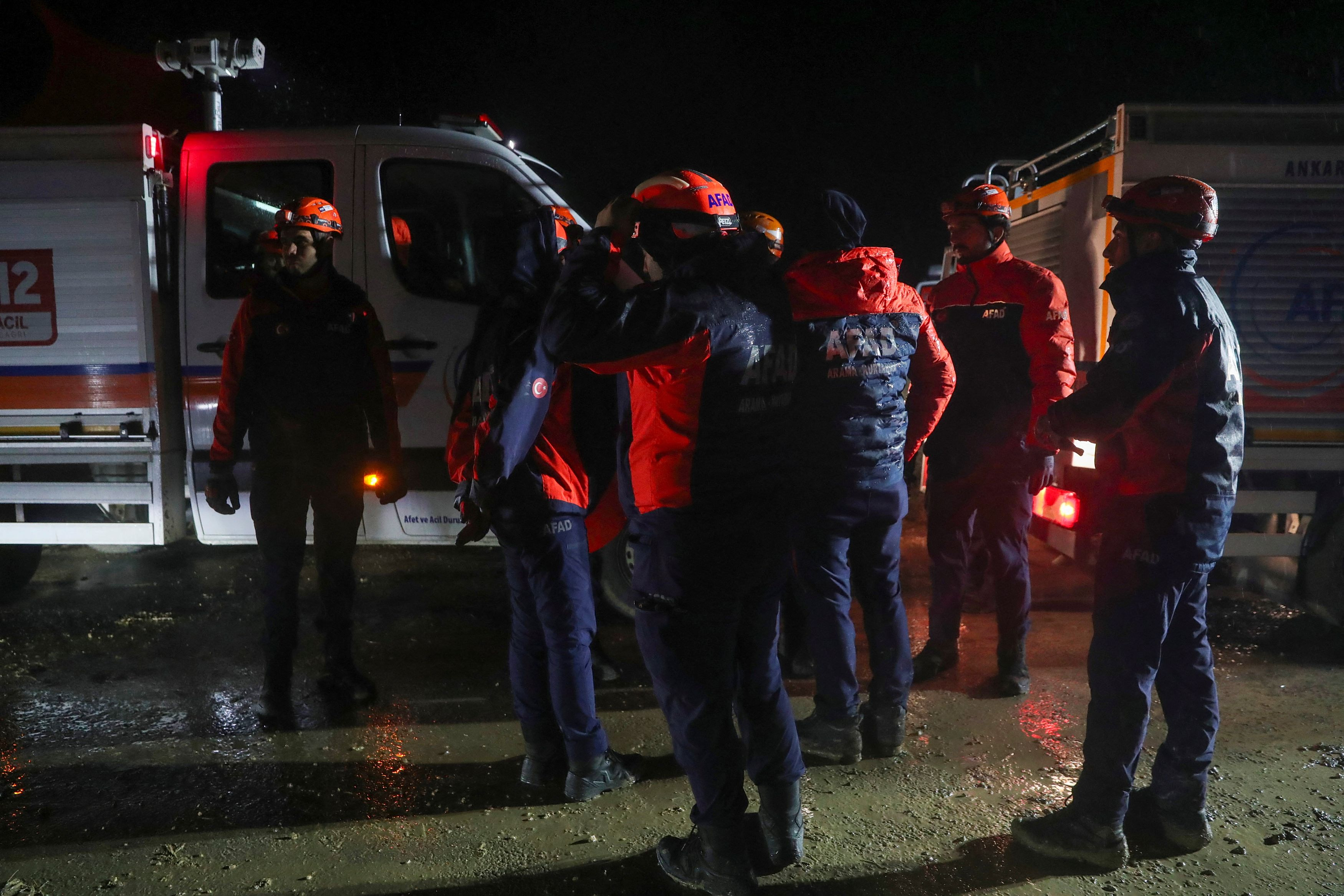
Turkish security forces and search and rescue teams work around the crash site of a jet carrying Libya’s army chief of staff Mohammed Ali Ahmed Al-Haddad near Kesikkavak village, Turkey, December 23, 2025. REUTERS/Cagla Gurdogan
Libya’s internationally recognized prime minister, Abdulhamid Dbeibah, called the incident a “tragic and painful loss” for the country, its military, and its people. In addition to Al-Haddad, the passengers included the commander of Libya’s ground forces, the head of the military manufacturing authority, an adviser to the chief of staff, and a photographer from his office.
Turkish officials said the Dassault Falcon 50 jet requested an emergency landing while flying over central Turkey, but radio contact was lost shortly afterward. Rescue teams and security forces were dispatched to the crash site.
Libya’s Government of National Unity announced three days of official mourning and said the defense minister would send a delegation to Ankara to follow developments in the investigation. A senior Libyan official said the aircraft was a leased jet registered in Malta, adding that its ownership and technical history would be examined as part of the probe.
Al-Haddad had been in Turkey on an official visit and met with senior Turkish defense officials, including the country’s defense minister and military commanders. The crash came just one day after Turkey’s parliament voted to extend the deployment of Turkish troops in Libya for another two years.

Turkish Chief of Staff Selcuk Bayraktaroglu meets with his Libyan counterpart Mohammed Ali Ahmed Al-Haddad in Ankara, Turkey, December 23, 2025. Defence Ministry/Handout via REUTERS THIS IMAGE HAS BEEN SUPPLIED BY A THIRD PARTY. NO RESALES. NO ARCHIVES.
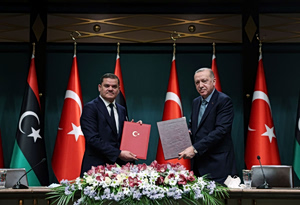
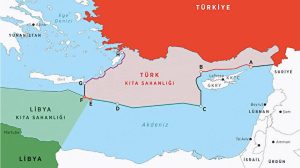
Turkey, a NATO member, has been a key military and political supporter of Libya’s Tripoli-based government since 2020, when it sent personnel to train and assist Libyan forces. Ankara has also signed maritime and energy agreements with Tripoli, moves that have drawn objections from other regional countries.
In recent years, Turkey has sought to broaden its engagement in Libya under a “One Libya” policy, increasing contacts with rival factions in the country’s east.