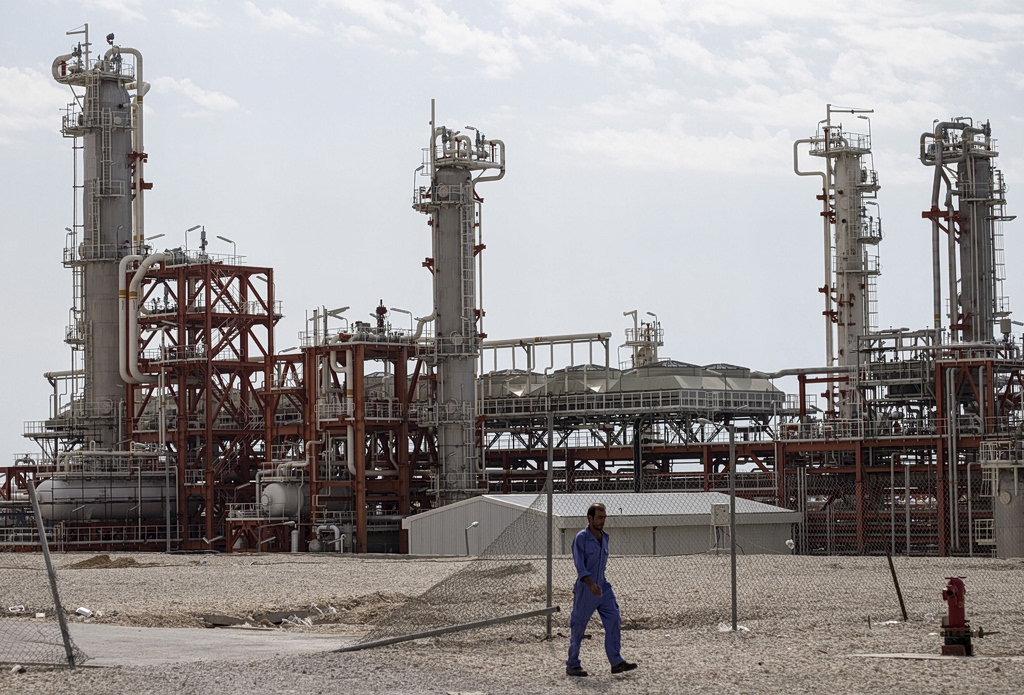

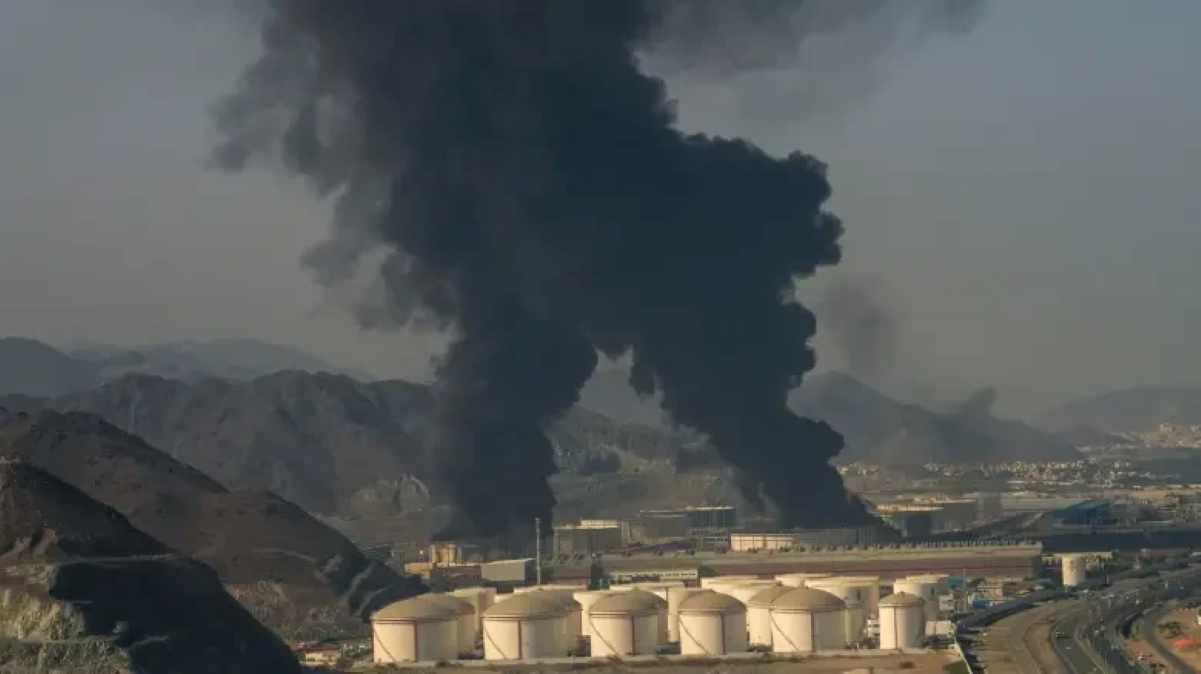
Oil prices were said to have extended their rally on Thursday as the Middle East remained engulfed in conflict, with attacks on energy infrastructure across the region reportedly fueling fears of a broader supply crisis.
May Brent crude futures were reported to be 4.5% higher at $112.19 as of 8:10 a.m. Greece time, while April contracts for U.S. West Texas Intermediate crude were said to have risen by more than 1% to $97.32.
Tom Kloza, senior energy adviser at Gulf Oil, was reported by CNBC as warning that markets could move into an “all bets are off” scenario if the conflict were to spread beyond the Gulf and begin targeting energy infrastructure in other regions, including Europe or the United States.
He was said to have argued that such a development would mark a shift from a contained geopolitical risk to a global supply shock, in which traditional pricing models and risk assumptions would no longer hold. In that environment, fears of widespread disruptions to refining and fuel distribution were seen as likely to trigger extreme volatility, with oil and gas prices surging as traders priced in worst-case scenarios and scrambled to secure supplies.
Dan Pickering, founder and chief investment officer of Pickering Energy Partners, was also quoted by CNBC as saying that the market was moving from a supply-chain problem to what could become a direct supply problem. He reportedly stressed that the distinction was critical, noting that supply-chain disruptions could be fixed relatively quickly, whereas any hit to production capacity — whether in LNG or oil — would amount to a far more serious escalation.
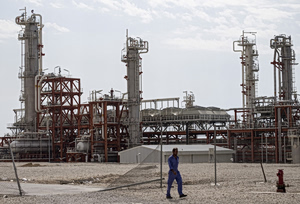
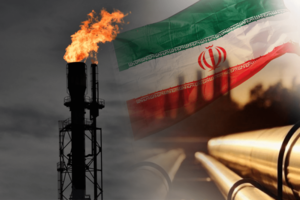
Qatar reported that Iranian missile strikes had caused extensive damage to its Ras Laffan LNG export hub, following Tehran’s warning that it could target energy sites in Qatar, Saudi Arabia, and the UAE after an Israeli strike on an Iranian gas facility. Emergency crews were said to have contained the fires, with no casualties reported.
The Qatari Foreign Ministry condemned the attack as a dangerous escalation and a violation of sovereignty, asserting the right to respond under international law. Saudi Arabia and the UAE were reportedly placed on alert. Qatar had already suspended LNG production on 2 March after earlier Iranian drone attacks on Ras Laffan and Mesaieed Industrial City.
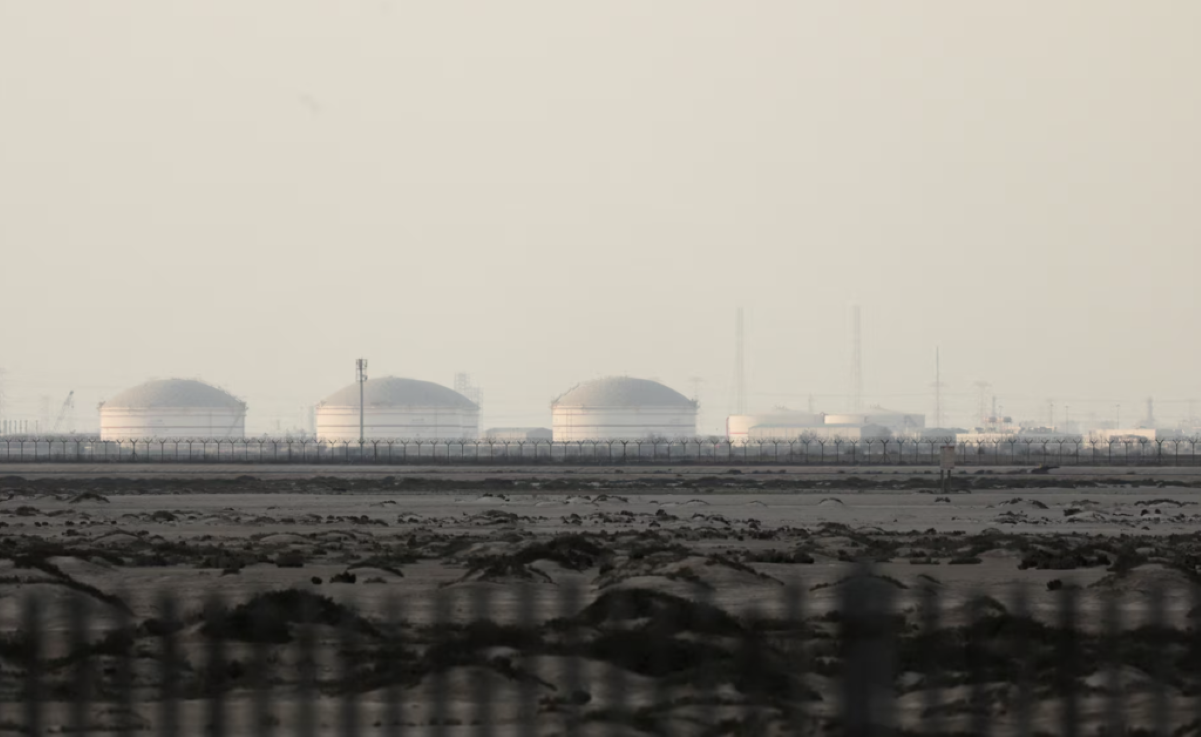
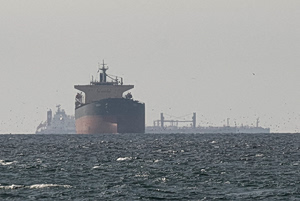
As the world’s second-largest LNG exporter after the U.S., Qatar accounts for nearly a fifth of global shipments, and analysts warned that the strikes could deepen the supply shock already affecting the region, with tanker traffic through the Strait of Hormuz — carrying roughly 20% of global oil supplies — largely blocked.