 Μake us preferred on Google
 Poland has announced decisive measures in response to the violation of its airspace by Russian drones, combining diplomatic and military action in what officials described as an “unprecedented provocation.”
Prime Minister Donald Tusk’s government has formally requested an emergency meeting of the UN Security Council while also imposing a temporary no-fly zone along much of its eastern border.
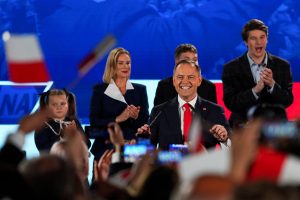
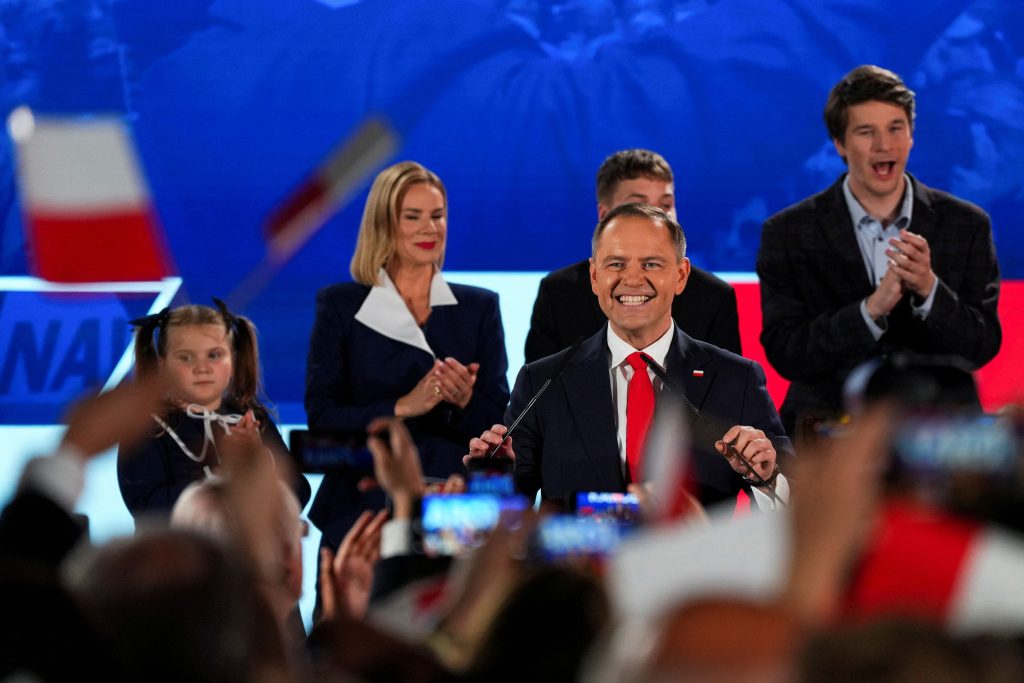
Speaking to troops, President Karol Nawrocki said the incident was a test of Poland’s readiness. “This Russian provocation was nothing more than an attempt to test our capabilities, our ability to react, and the mechanisms of the NATO alliance,” he said.
Foreign Minister Radosław Sikorski also underscored the gravity of the situation: “We draw the world’s attention to this unprecedented Russian attack with unmanned aircraft against a member of the UN, the EU, and NATO.”
The restrictions, effective until December 9, ban civilian drones and night flights by small aircraft, while military operations and scheduled commercial flights at higher altitudes remain permitted.
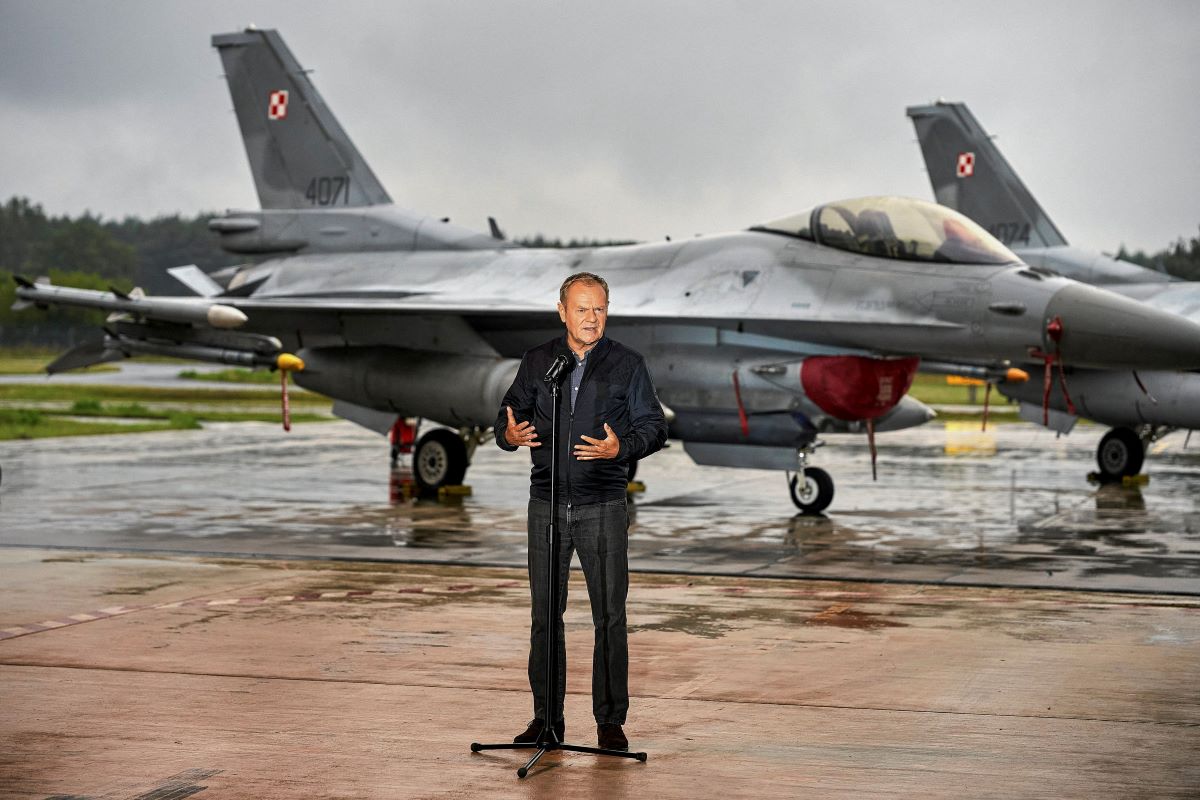
On Tuesday night, Polish F-16s, Dutch F-35s, Italian AWACS surveillance planes, and NATO refueling aircraft were deployed in operations to counter the drones.
European leaders have linked the incident to wider calls for tougher sanctions against Russia and additional support for Ukraine, urging a collective response.
Moscow, however, dismissed the accusations. Kremlin spokesman Dmitry Peskov described the statements from Warsaw and other European capitals as “nothing new” and reiterated that Russia had no further comment beyond the Defense Ministry’s earlier statement.
Meanwhile, Poland, Ukraine, and Lithuania issued a joint declaration condemning the drone incursion as deliberate and unprecedented. NATO’s Supreme Allied Commander Europe, Alexandros Grinkiewicz, noted that it remains unclear whether the drone violation was intentional or accidental.