 Μake us preferred on Google
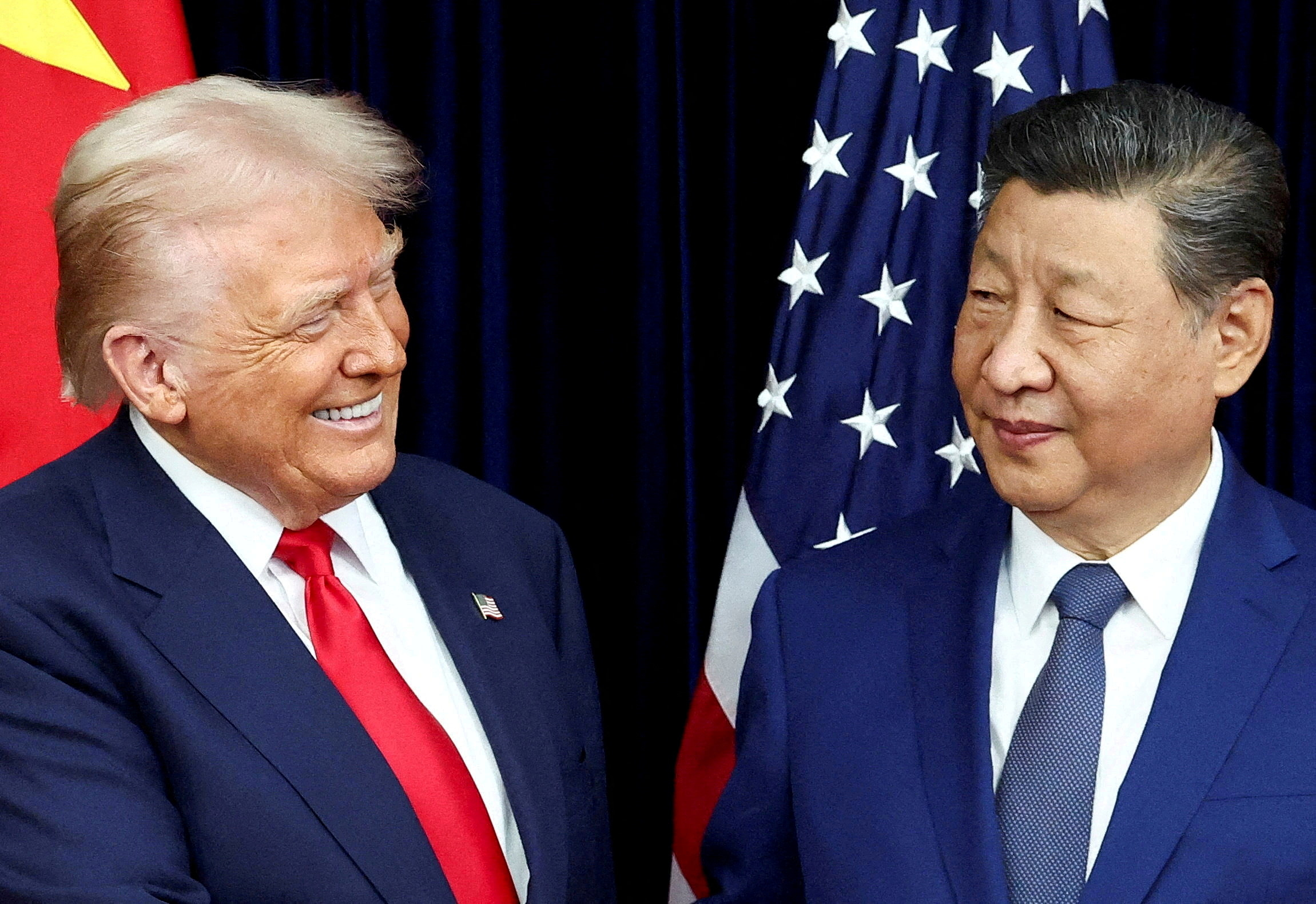
 Taiwan has emerged as a top priority for China as it’s heading into next month’s planned summit between Xi Jinping and Donald Trump in Beijing — a significant shift from their previous meeting in South Korea, where Xi deliberately avoided the issue.
For Taiwan’s 23 million people, this may be the most consequential diplomatic meeting of the year, even though they have no seat at the table. Taipei is anxiously monitoring whether Trump, whose deal-making style has rattled traditional U.S. allies, might water down long-standing American commitments to Taiwan in exchange for Chinese purchases of U.S. goods or other economic concessions.
Chinese academics close to Beijing’s foreign policy circles argue that Washington should stay out of the Taiwan question altogether if it wants to avoid a major conflict with China. The U.S. currently walks a careful line — formally acknowledging China’s claim over Taiwan without endorsing it, while also pledging to help the island defend itself and declining to support formal independence.
A key Chinese priority heading into the summit is persuading the U.S. to shift its official language on Taiwan, from not “supporting” independence to actively “opposing” it. Beijing made the same request of the Biden administration and was turned down. Sources familiar with the summit preparations say China has been pushing similar signals behind the scenes in the run-up to Trump’s visit.
Taiwan’s government is on high alert. Officials there are ramping up diplomatic contact with Washington and making clear they’ll be watching closely for any changes in U.S. positioning. American officials, for their part, have publicly maintained that U.S. policy on Taiwan is unchanged and has not softened, and have noted privately that Trump has actually approved more weapons sales to Taiwan in his second term than Biden did throughout his presidency.
China has been playing both offense and defense in the weeks before the summit — dangling economic incentives for Taiwan while also reportedly pressuring African nations to deny overflight rights for Taiwan’s president, a move the U.S. sharply criticized.
The stakes go beyond symbolism. Taiwan sits at the heart of the military balance in the western Pacific, and U.S. intelligence services maintain sensitive listening posts on the island aimed at monitoring China. Even a subtle change in American rhetoric could affect Beijing’s calculations about U.S. resolve — and send shockwaves through Washington’s broader alliance network in Asia.