
U.S. President Donald Trump agreed to a two-week ceasefire with Iran on Tuesday, abruptly reversing a threat to unleash devastating attacks on the country’s civilian infrastructure and warning that “a whole civilization will die tonight.”
The announcement came less than two hours before a deadline set by Washington for Tehran to reopen the Strait of Hormuz, a critical global oil route. Trump said the agreement marked progress toward a broader peace deal and claimed U.S. military objectives had already been achieved.
“This will be a double sided CEASEFIRE!” Trump wrote on social media, adding that negotiations were advancing toward “Longterm PEACE with Iran, and PEACE in the Middle East.”
The ceasefire is conditional on Iran halting its blockade of oil and gas shipments through the strait, which handles about one-fifth of global oil flows. Iran’s foreign minister, Abbas Araqchi, said Tehran would stop counter-attacks and allow safe passage if strikes against it cease.
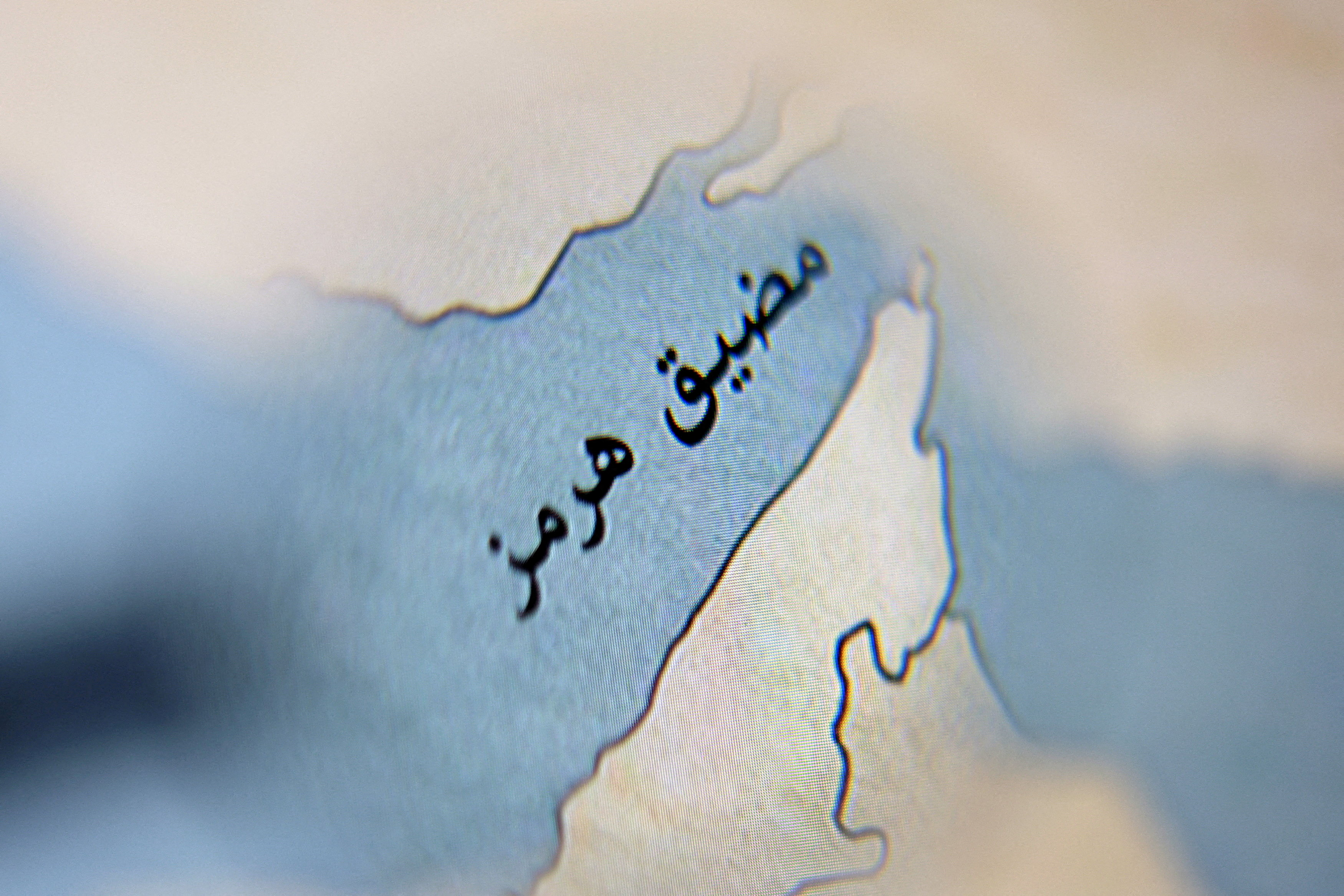
FILE PHOTO: A map showing the Strait of Hormuz, also known as Madiq Hurmuz, is seen in this illustration taken March 26, 2026. REUTERS/Dado Ruvic/Illustration/File Photo
Abrupt reversal after escalation threat
Trump’s decision capped a volatile day marked by escalating rhetoric and intensified military action. Earlier, he had threatened to destroy bridges, power plants and other infrastructure in Iran, a warning that drew international condemnation and raised concerns about potential war crimes.
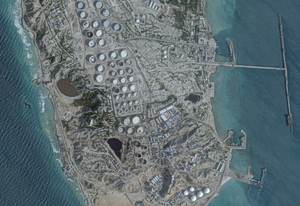
Strikes by U.S. and Israeli forces intensified ahead of the deadline, targeting transport links, an airport and energy facilities, including sites on Kharg Island, Iran’s main oil export terminal.
The sudden shift to diplomacy followed what Trump described as progress in negotiations, including a 10-point proposal from Iran that he called a “workable basis” for further talks.
Mediation and next steps
Pakistan played a key role in brokering the ceasefire. Prime Minister Shehbaz Sharif said he had invited U.S. and Iranian delegations to meet in Islamabad on Friday to continue negotiations.
Iran confirmed talks would begin on April 10, signaling a potential diplomatic opening after weeks of conflict.
Despite the agreement, uncertainty remains over how quickly the ceasefire will take effect and whether it will hold. A source familiar with the discussions described the truce as a “trust-building exercise,” with concerns that Iran could be seeking time.
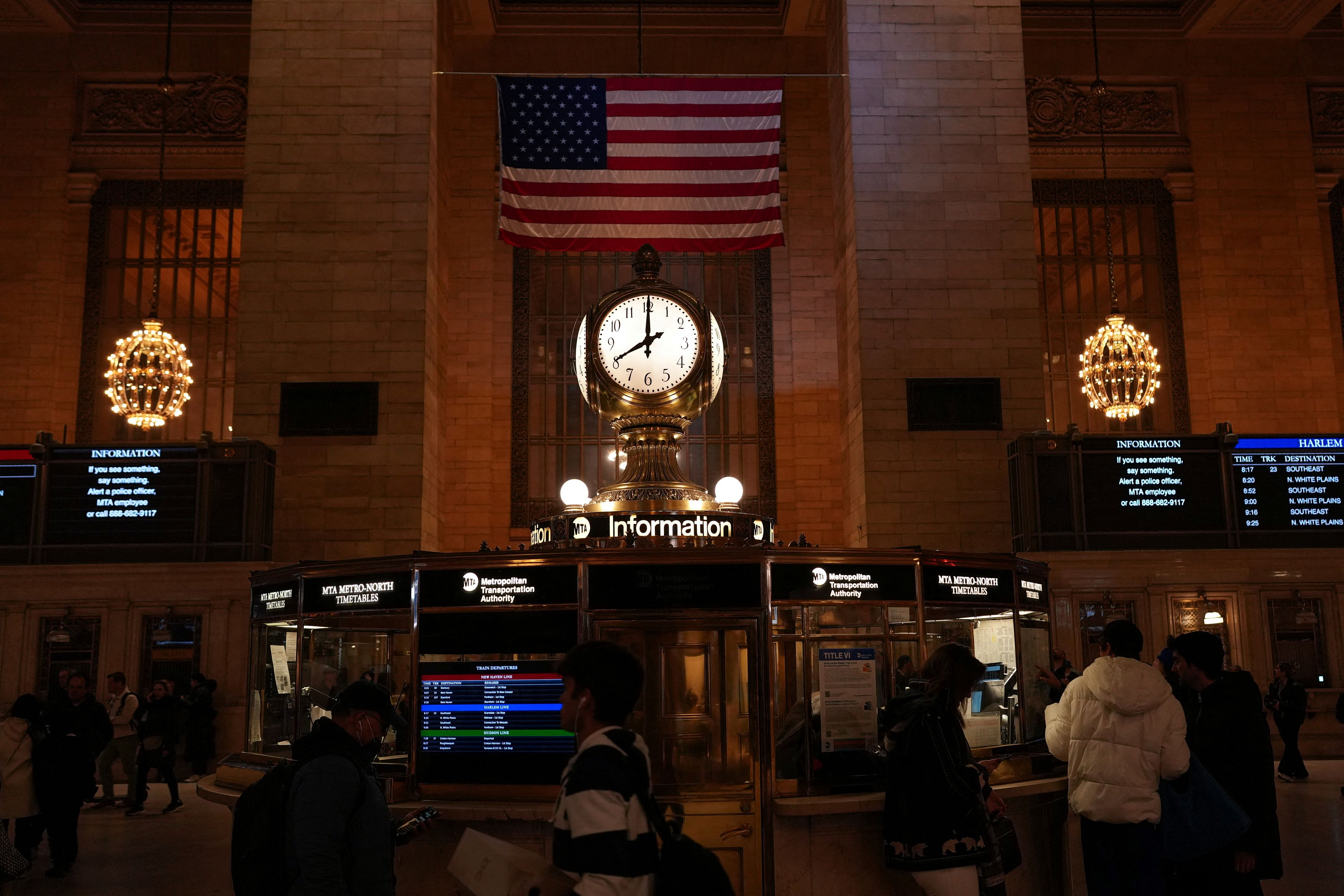
The clock inside the Grand Central Terminal shows 8 PM (ET), the postponed deadline set by U.S. President Donald Trump for Iran to reopen the Strait of Hormuz or face widespread attacks on its civilian infrastructure, in New York City, U.S., April 7, 2026. REUTERS/Adam Gray
Israel and regional response
Israel said it supported the U.S. decision to suspend strikes for two weeks, provided Iran reopens the strait and halts attacks. Prime Minister Benjamin Netanyahu’s office emphasized that the ceasefire does not extend to Lebanon, highlighting differences in interpretation among parties.
Even after the announcement, hostilities appeared to continue. Israeli forces reported missile launches from Iran, while regional countries activated air defenses.
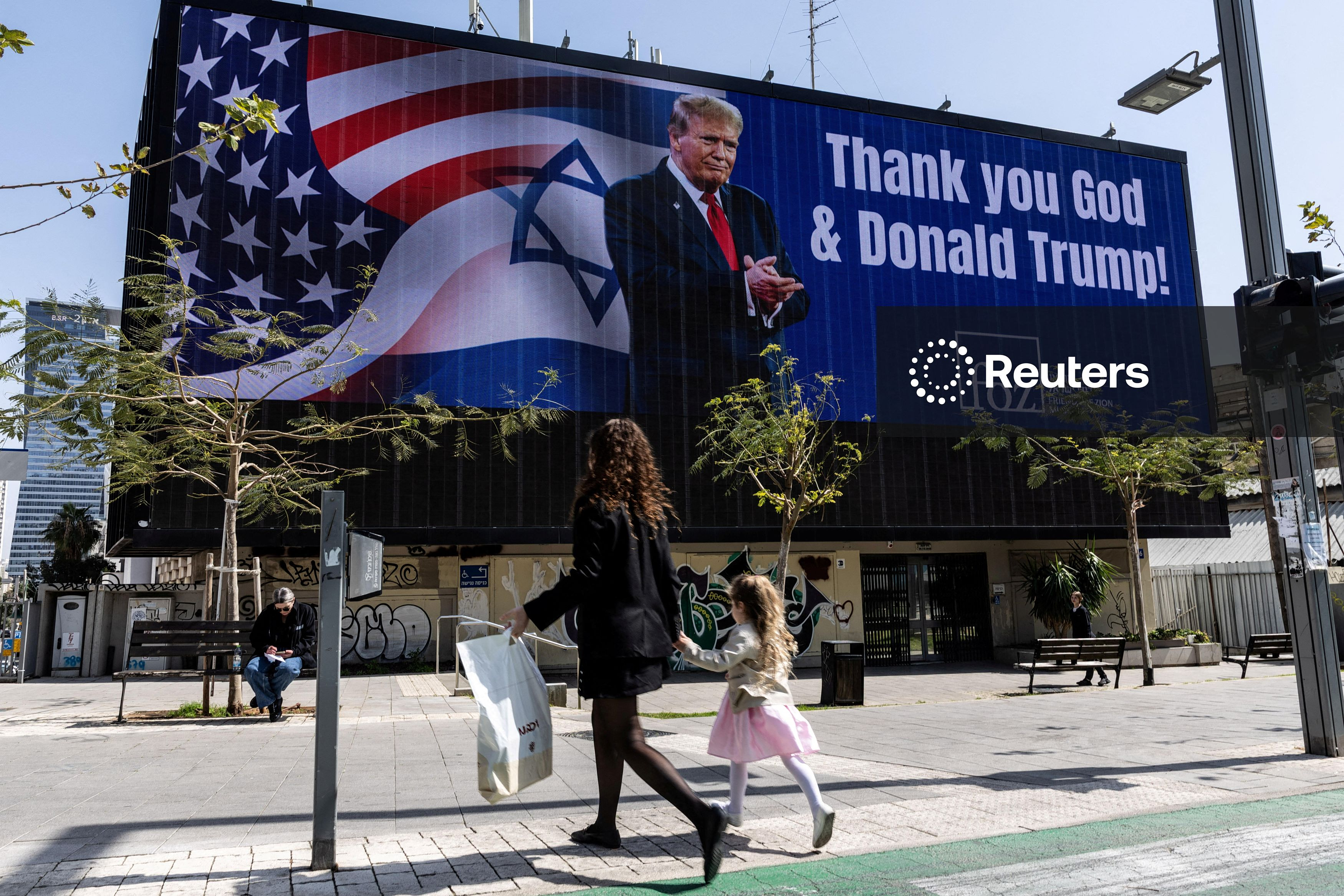
FILE PHOTO: People walk by a billboard commissioned by an evangelical group, which displays a picture of U.S. President Donald Trump with the words “Thank you God & Donald Trump”, amid the U.S.-Israel conflict with Iran, in Tel Aviv, Israel, March 12, 2026. REUTERS/Nir Elias/File Photo
Human toll and global impact
The war, now in its sixth week, has killed more than 5,000 people across nearly a dozen countries, including over 1,600 civilians in Iran.
Global markets reacted swiftly to the ceasefire news. Oil prices fell sharply and stock futures rose, reflecting relief over the potential reopening of the Strait of Hormuz and reduced risk to energy supplies.
World leaders welcomed the truce, warning that prolonged conflict would deepen economic damage and human suffering.
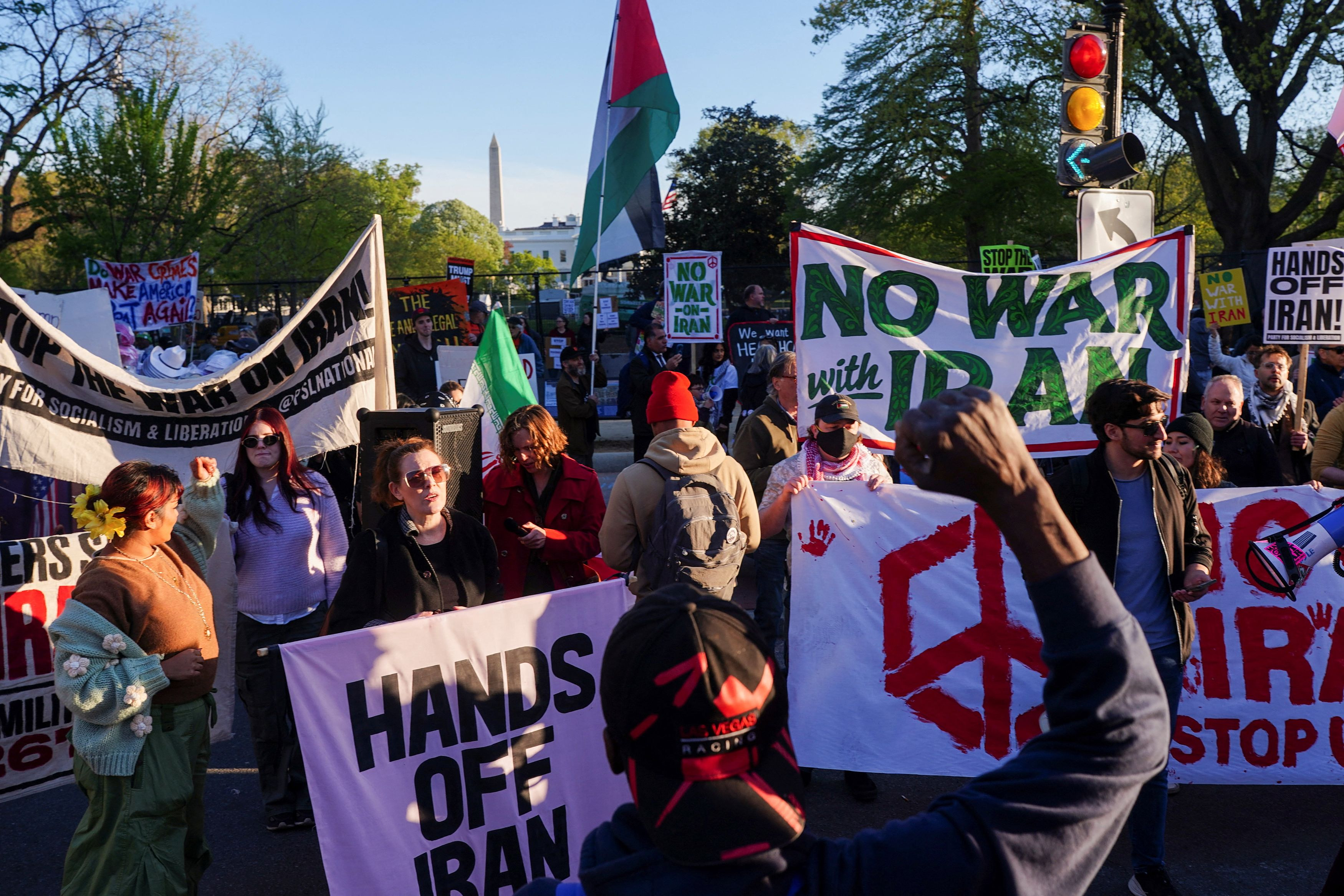
Demonstrators protest against military action in Iran after U.S. President Donald Trump said that he had agreed to a two-week ceasefire with Iran, less than two hours before his deadline for Tehran to reopen the Strait of Hormuz or face widespread attacks on its civilian infrastructure, outside the White House in Washington, D.C., U.S., April 7, 2026. REUTERS/Nathan Howard
Political pressure at home
Trump’s decision also comes amid mounting domestic pressure. His approval ratings have fallen to their lowest levels, with polls showing widespread opposition among Americans to the war and rising fuel costs.
Analysts say the ceasefire may reflect a strategic shift.
“President Trump has clearly noticed that escalating against the Iranian regime is not going to lead to their collapse in the short- to medium-term,” said Jessica Genauer of the University of New South Wales.
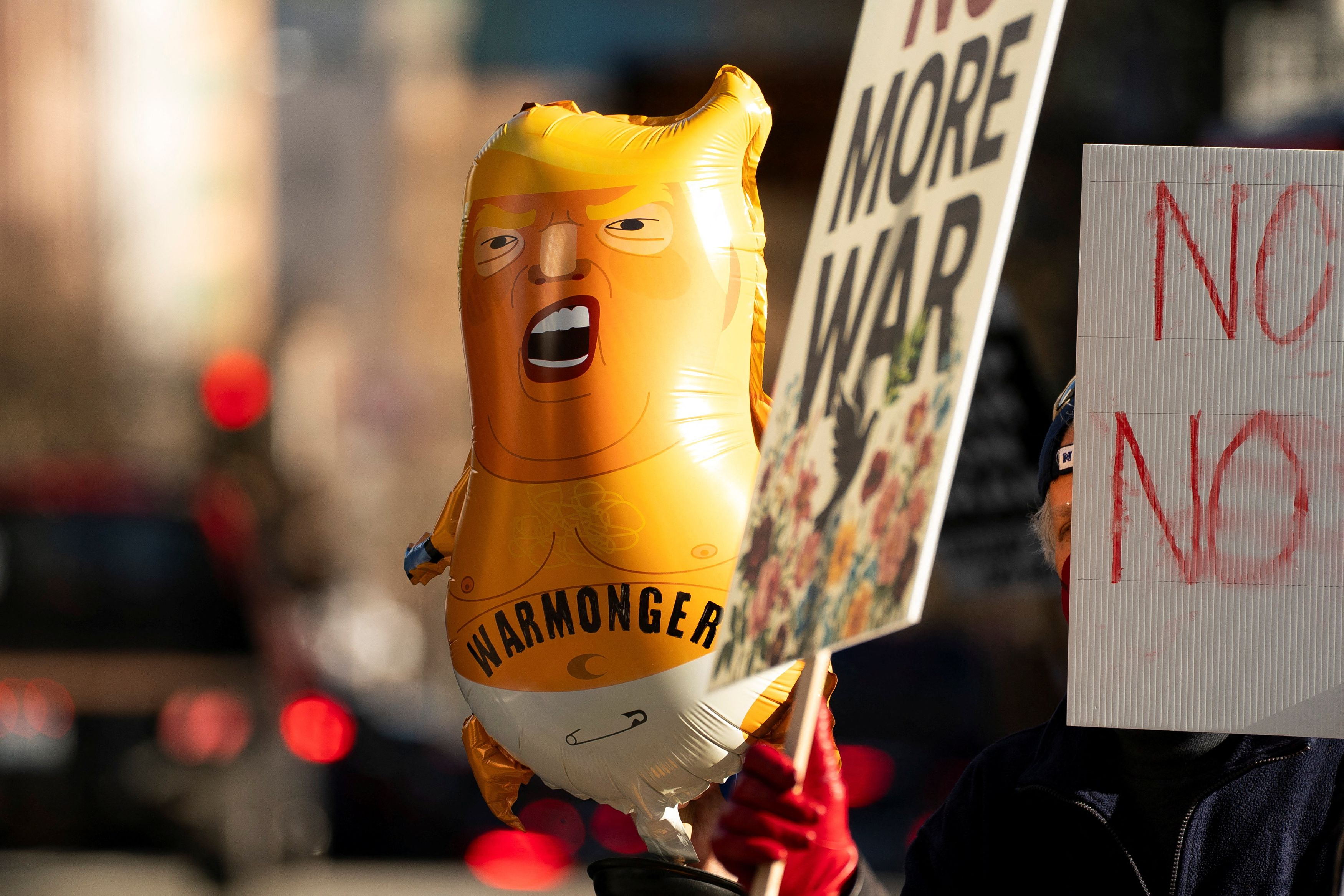
Demonstrators hold signs and a balloon depicting U.S. President Donald Trump, as people gather for a protest against the U.S.-Israeli conflict with Iran, after a two-week ceasefire was announced, outside the Henry M. Jackson Federal Building in Seattle, Washington, U.S., April 7, 2026. REUTERS/David Ryder
While both sides have framed the agreement as a victory, the next two weeks will test whether the ceasefire can lead to a lasting settlement.
Trump expressed confidence that a broader agreement could be finalized during the pause, calling it “a big day for world peace.”