 Μake us preferred on Google
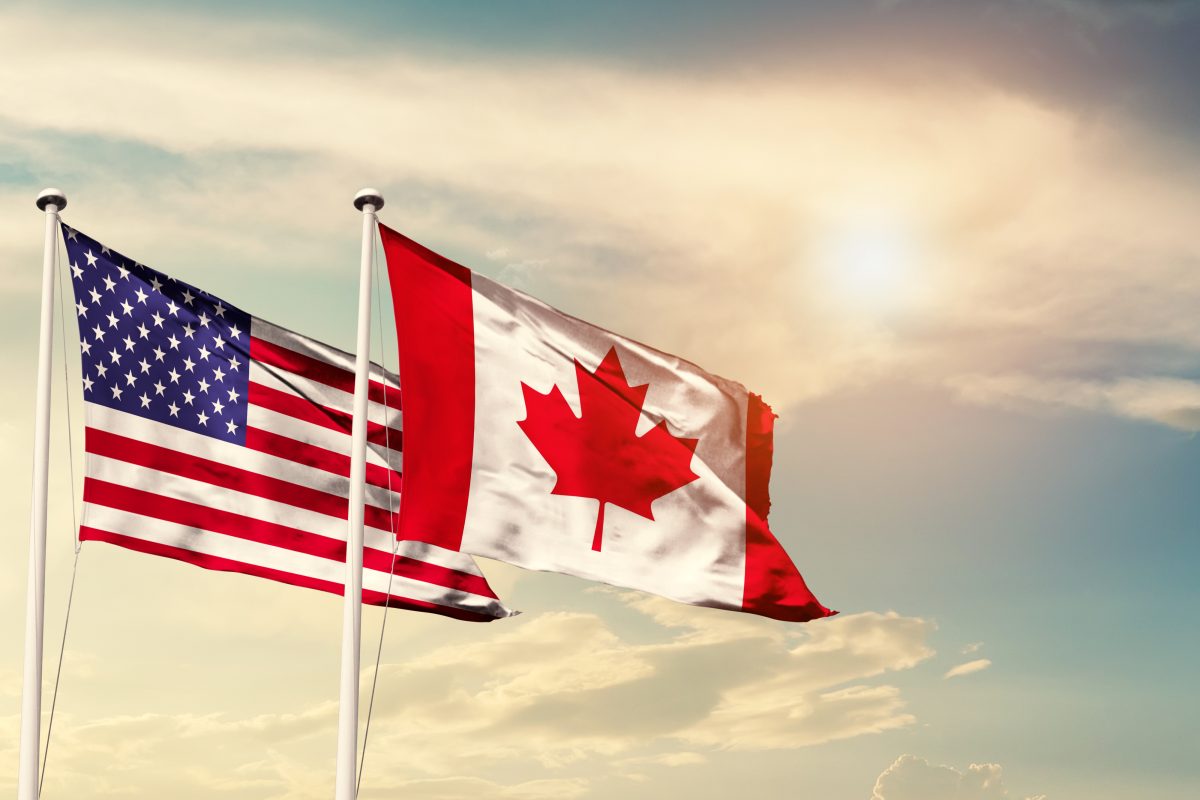
 U.S. President Donald Trump has threatened to impose a sweeping 100% tariff on Canadian goods if Ottawa proceeds with a pending trade arrangement with China, sharply escalating tensions between the two longtime allies.
“If Canada makes a deal with China, it will immediately be hit with a 100% Tariff against all Canadian goods and products coming into the U.S.A.,” Trump wrote on his Truth Social platform on Saturday. He warned that closer ties with Beijing would endanger Canada, claiming China would “eat Canada alive” and undermine its economy and social fabric.
The threat follows a recent visit by Canadian Prime Minister Mark Carney to China, where the two countries reached an initial agreement aimed at easing several tariff disputes. Canada is seeking to reset strained relations with Beijing, its second-largest trading partner after the United States.
Carney did not directly address Trump’s tariff warning in public remarks on Saturday but urged Canadians to support domestic businesses. “With our economy under threat from abroad, Canadians have made a choice to focus on what we can control,” he said in a video message. “We can be our own best customer.”
Canada’s minister responsible for Canada-U.S. trade, Dominic LeBlanc, said there was no pursuit of a free trade agreement with China, adding that the talks focused on resolving specific tariff issues. The Chinese embassy in Canada said Beijing was ready to work with Ottawa to implement the consensus reached by the two governments.
Trump initially appeared supportive of Canada’s outreach to China, telling reporters earlier this month that securing a deal was “a good thing.” However, he later accused China of potentially using Canada as a conduit to bypass U.S. tariffs. “If Governor Carney thinks he is going to make Canada a ‘Drop Off Port’ for China to send goods into the United States, he is sorely mistaken,” Trump said, again using a title linked to his past remarks about Canada becoming a U.S. state.
The president later doubled down, saying the world could not allow China to “take over Canada.”
If implemented, the proposed tariff would dramatically increase U.S. duties on Canadian exports, intensifying pressure on industries such as metals, automobiles and machinery. The threat comes amid already strained relations following Carney’s public criticism of Trump’s pursuit of Greenland and his remarks at the World Economic Forum in Davos, where he said the rules-based global order was over and warned that “if you are not at the table, you are on the menu.”
Trump responded in his own Davos speech by saying Canada “lives because of the United States,” a claim Carney rejected. “Canada doesn’t live because of the United States. Canada thrives because we are Canadian,” he said later in Quebec.
The dispute has also drawn a response from Beijing. On Monday, China’s foreign ministry said arrangements between China and Canada were not aimed at any third party. “China holds that countries should handle relations with one another with a win-win rather than zero-sum mindset,” spokesperson Guo Jiakun said.
Carney’s China trip resulted in an initial agreement that would reduce tariffs on Chinese electric vehicles in exchange for lower levies on Canadian canola, according to sources familiar with the discussions.
Trump has issued numerous tariff threats since returning to office, often using them as leverage in negotiations. In recent days, he has eased pressure on some European allies after commitments on Arctic security, but his stance toward Canada has hardened, including revoking Ottawa’s invitation to a proposed U.S. “Board of Peace.”