 Μake us preferred on Google
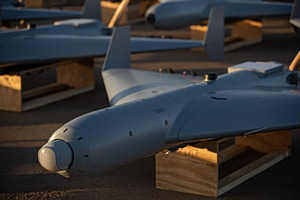
 Ukraine has launched a nationwide campaign aimed at knocking Shaheds—low-cost, long-range attack drones originally designed by Iran—out of the war. About a thousand interceptor teams are now operating across the country as Russia continues to deploy thousands of drones each month.
“These pilots, and about a thousand other crews like them, are on the frontlines of Ukraine’s drive to knock one of Russia’s most potent weapons out of the war,” the report said.
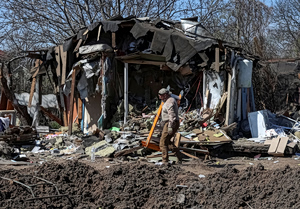
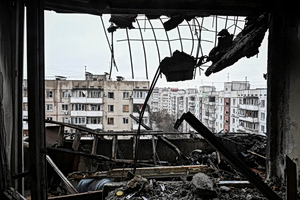
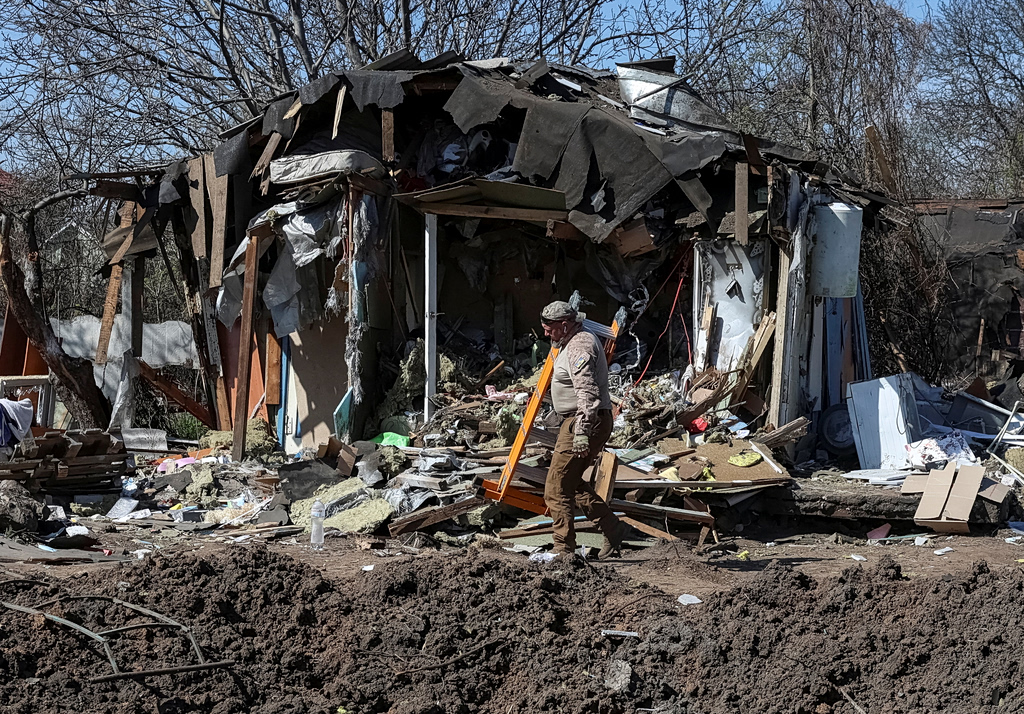
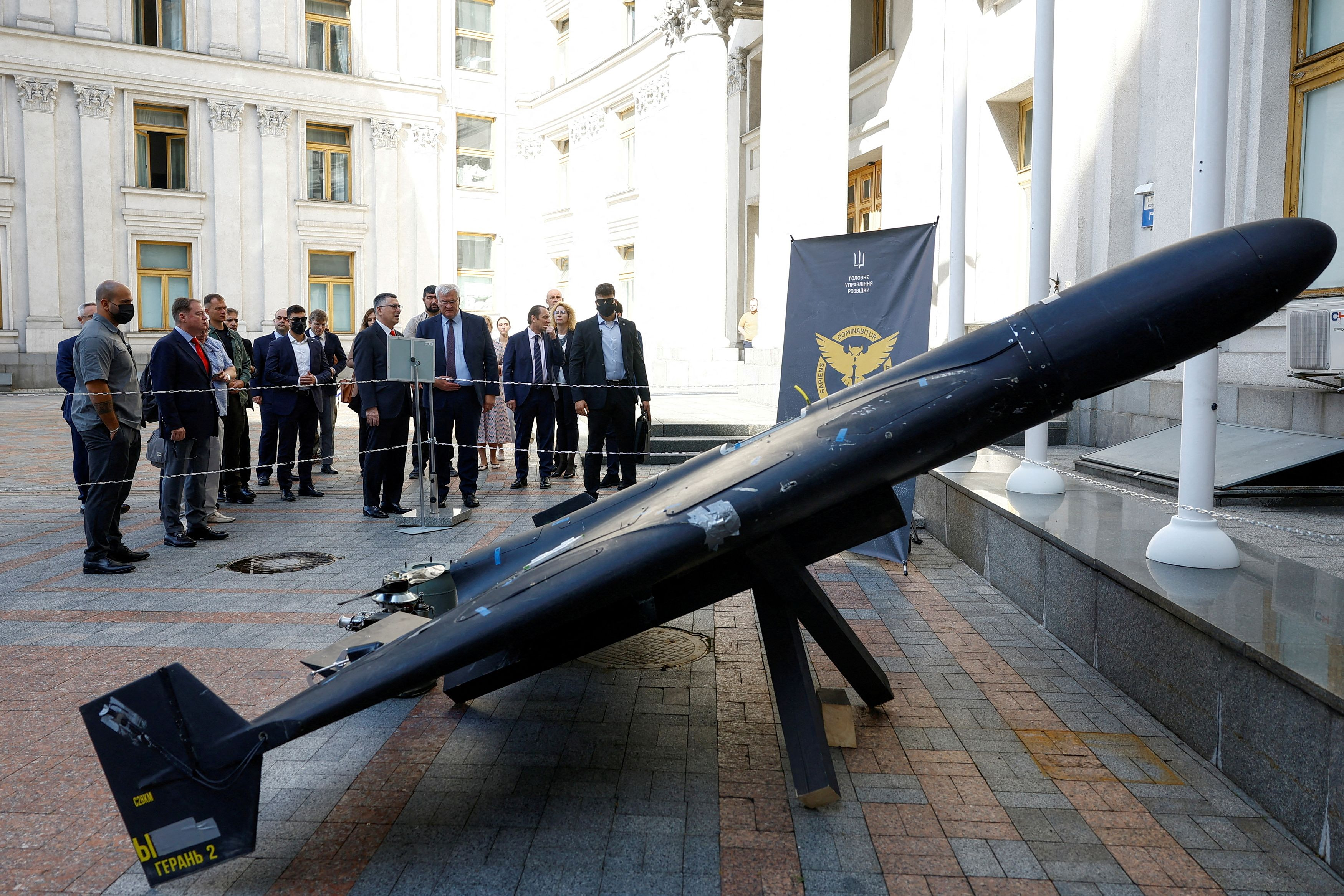
The Shaheds, which Russia refers to as Geran, have been adapted with improved navigation systems, engines and larger warheads. While most are intercepted, those that get through—more than 1,000 out of roughly 6,500 launched last month according to Ukrainian air force data—continue to damage infrastructure, cities and energy facilities.
In February, Ukraine’s Defence Minister Mykhailo Fedorov set a target of intercepting 95% of all long-range drones. At the time, interception rates stood at just over 85%, rising to around 90% in more recent figures cited by Ukrainian officials.
Gradual progress amid a technological race
According to Reuters analysis and interviews with a dozen Ukrainian officials, manufacturers and soldiers involved in the drive, the campaign is yielding gradual results, although they caution that progress is fragile amid rapid Russian adaptations.
The Shahed interception effort relies on a mix of systems, including interceptor drones, electronic warfare, mobile gun units, helicopters and fighter jets. Interceptor drones alone account for about 40% of downed Shahed-type weapons, up from around 25% in winter, according to senior Ukrainian air force commander Yuriy Cherevashenko.
Electronic warfare systems also play a key role, at times disabling nearly half of incoming drones during attacks, according to air force spokesperson Colonel Yuriy Ihnat.
However, Ukraine faces an accelerating technological challenge. Russian forces have increased Shahed speed, upgraded engines, and introduced jet-powered variants capable of reaching up to 400 kph. In response, Ukrainian interceptors have had to evolve to fly faster and adapt to changing conditions.
“The first interceptor to destroy a Shahed in early 2025 became ineffective after four months,” said Taras Tymochko of the Ukrainian aid group Come Back Alive, noting how Russian upgrades quickly outpaced earlier countermeasures.
Cost imbalance shapes strategy
Despite the complexity of the fight, Ukraine benefits from a cost advantage. Russian Shaheds are estimated by think-tanks to cost around $35,000 each to produce, while Ukrainian interceptor drones can cost just a few thousand dollars, with some models under $1,500.
Each interceptor mission, however, is highly time-sensitive and dependent on conditions. Crews often have only minutes to detect and engage targets before they move out of range, and weather can severely limit effectiveness.
“There was a night when we had 10 launches and we didn’t find a single Shahed,” said Borys, a Ukrainian commander who left his job as a TV producer to join the military and now leads interceptor crews in the Kharkiv region.
Nationwide effort under pressure
Russia’s Shahed drones—first seen in Ukraine after the 2022 invasion—have become a central feature of the war. Their distinctive sound has made them infamous among civilians, while their widespread use has strained Ukraine’s energy and military infrastructure.
Ukrainian officials say Russia now produces thousands of these drones monthly, making them a core component of long-range attacks. “They represent an existential threat to Ukraine,” said analyst Samuel Bendett of the Center for a New American Security.
Ukraine has built a multi-layered defense network to counter them, but officials acknowledge the pace of Russian adaptation remains a major challenge.
Despite this, commanders remain cautiously optimistic. “We have a great opportunity to do this,” said Cherevashenko, pointing to improved coordination and evolving tactics.
Fedorov said Ukraine is also developing automated guidance systems and jet-powered interceptor drones to improve performance in difficult conditions.