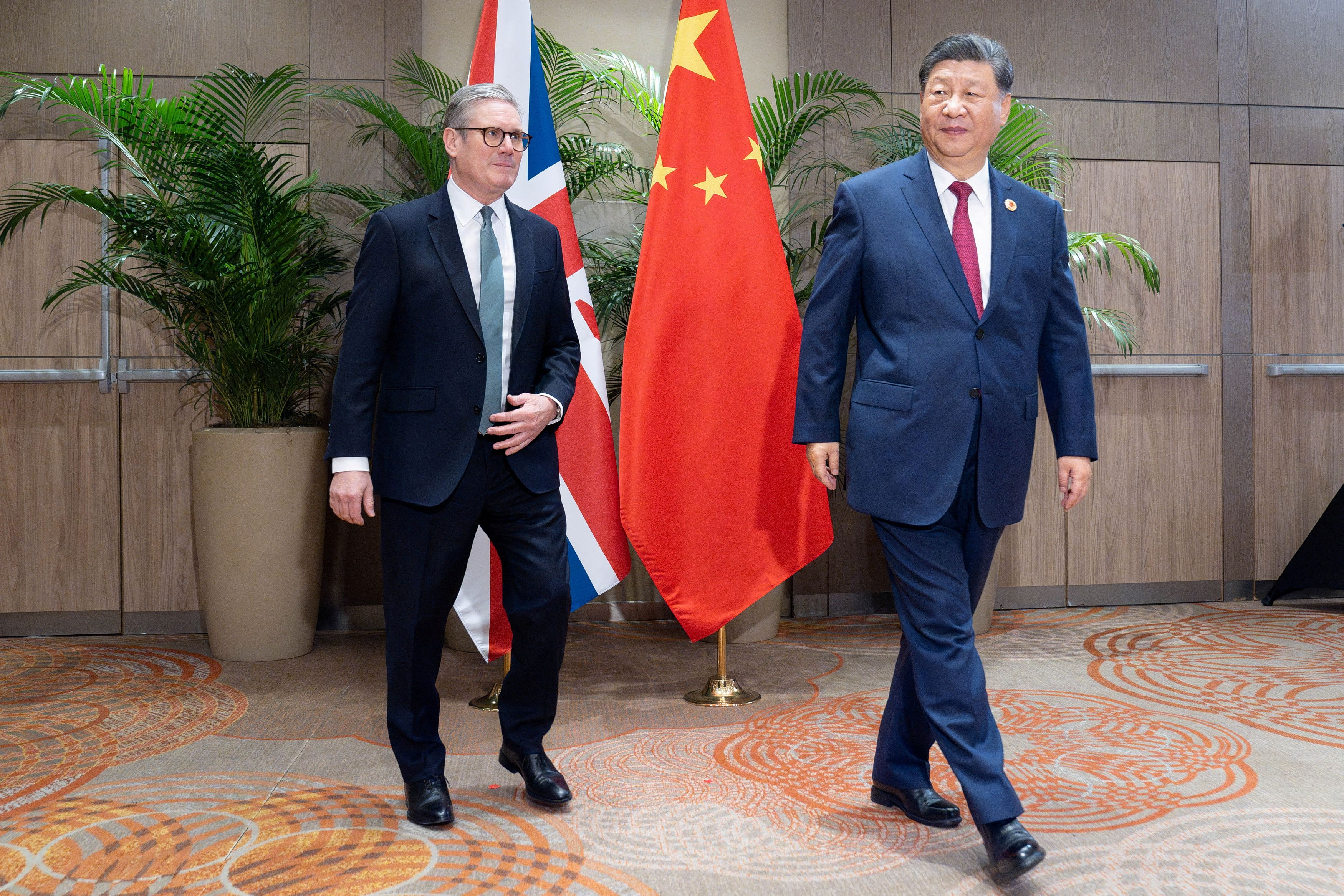
Prime Minister Keir Starmer will travel to China on Tuesday, marking the first visit by a British leader in eight years, as the UK seeks to mend ties with the world’s second-largest economy and diversify its global partnerships away from an increasingly unpredictable United States.
Accompanied by business executives and two cabinet ministers, Starmer’s three-day visit will take him to Beijing and Shanghai, with a brief stop in Japan. The trip comes amid rising tensions with Washington following President Donald Trump’s threats to take control of Greenland, highlighting the need for London to strengthen alternative economic alliances.
“This visit is as much about assessing the current posture of the U.S. as it is about building British-China relations,” said Kerry Brown, professor of Chinese studies at King’s College London. “On issues like AI, public health, and the environment, the UK may find closer alignment with Beijing than with Washington.”
Since taking office in 2024, Starmer has prioritized resetting relations with China after previous tensions over Hong Kong, cyberattacks, and espionage concerns. Britain aims to leverage trade and investment opportunities to support domestic economic growth and public services while navigating national security concerns.
In the 12 months through mid-2025, China was Britain’s fourth-largest trading partner, with total trade of roughly £100 billion ($137 billion). Despite this, China accounts for only 0.2% of UK foreign direct investment, compared with about a third from the United States, raising questions about the tangible benefits of deeper engagement.
Starmer’s visit also follows his government’s controversial approval of China’s plans to construct a mega-embassy in London, despite concerns that the new facility could facilitate espionage.
Observers note that recent Western visits to China have produced mixed economic results. Canada, for example, secured a trade deal with Beijing that lowered tariffs on Chinese goods, while French President Emmanuel Macron’s trip yielded fewer measurable benefits.
As Starmer seeks to expand UK-China trade, the visit highlights London’s delicate balancing act: pursuing economic opportunities in Beijing while managing strategic relations with the U.S. and addressing domestic security concerns.