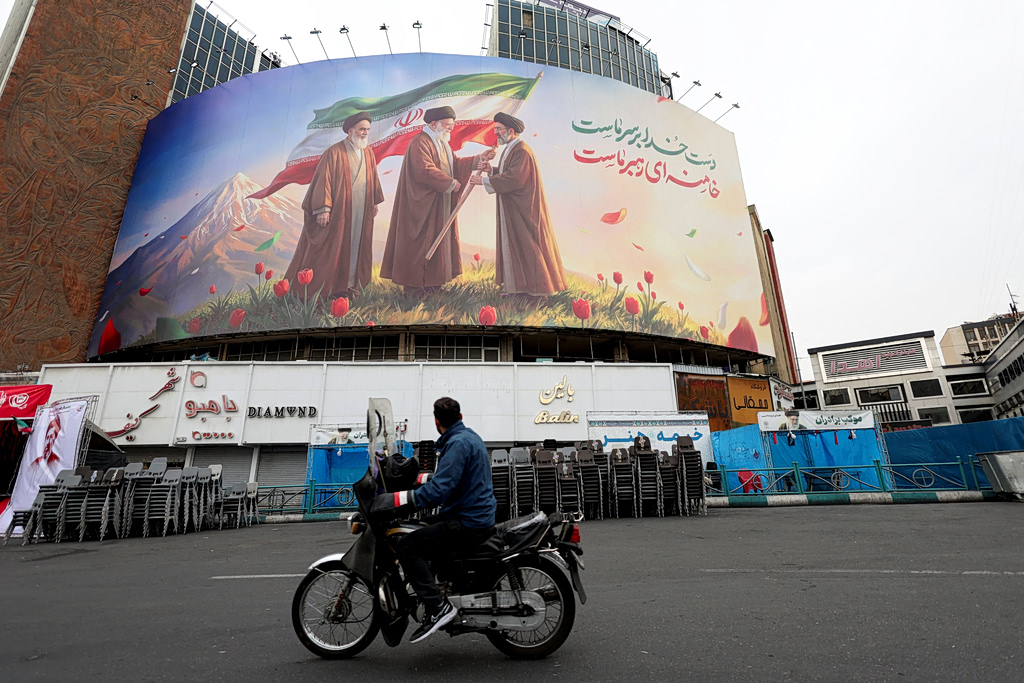
The ongoing U.S.-Israeli war with Iran is putting humanitarian operations worldwide at risk, the United Nations warned on Wednesday, as airspace closures and disruptions in the Strait of Hormuz slow the delivery of essential aid.
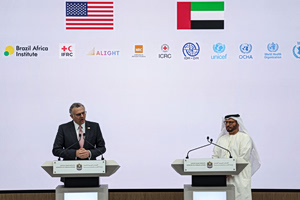
Tom Fletcher, the U.N. aid chief, said the conflict, which has expanded to Lebanon and involved Gulf countries, is creating “a moment of grave peril for the Middle East and, actually, for the wider world.”
Supply Chains and Costs Impacted
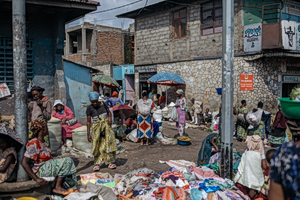
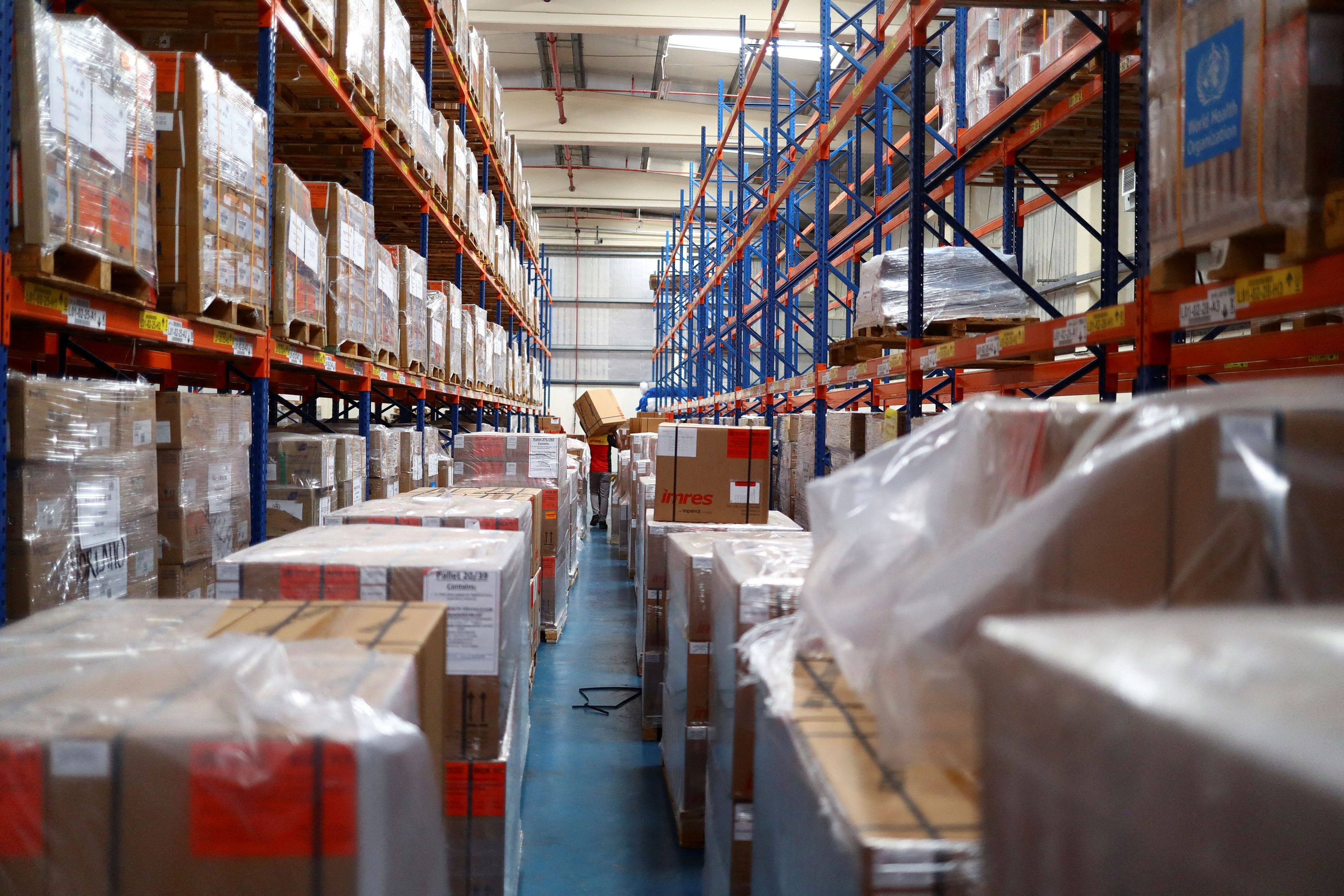
Fletcher highlighted that life-saving humanitarian relief bound for Gaza and sub-Saharan Africa is being blocked or delayed, with alternative shipping routes facing rising costs. Conflict-hit countries like Sudan and Somalia, already struggling with crises such as drought, are particularly affected.
He added that higher oil prices are driving up the cost of air transport for aid deliveries just as budgets for U.N. agencies and NGOs face donor cuts. “These constraints will damage our humanitarian supply chains, reduce the humanitarian supplies we can get to people who need them, but they’ll also drive up energy costs and food costs across the region,” Fletcher told Reuters.
A “Perfect Storm” for Aid
The U.N. aid chief described the situation as “a perfect storm of factors,” warning that without swift mitigation, access to critical humanitarian aid could be severely compromised in multiple regions.