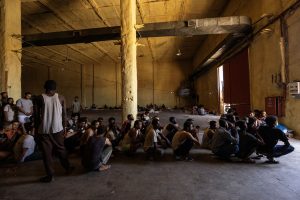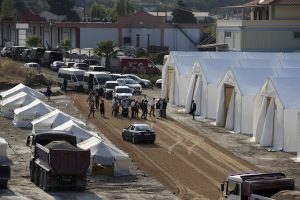
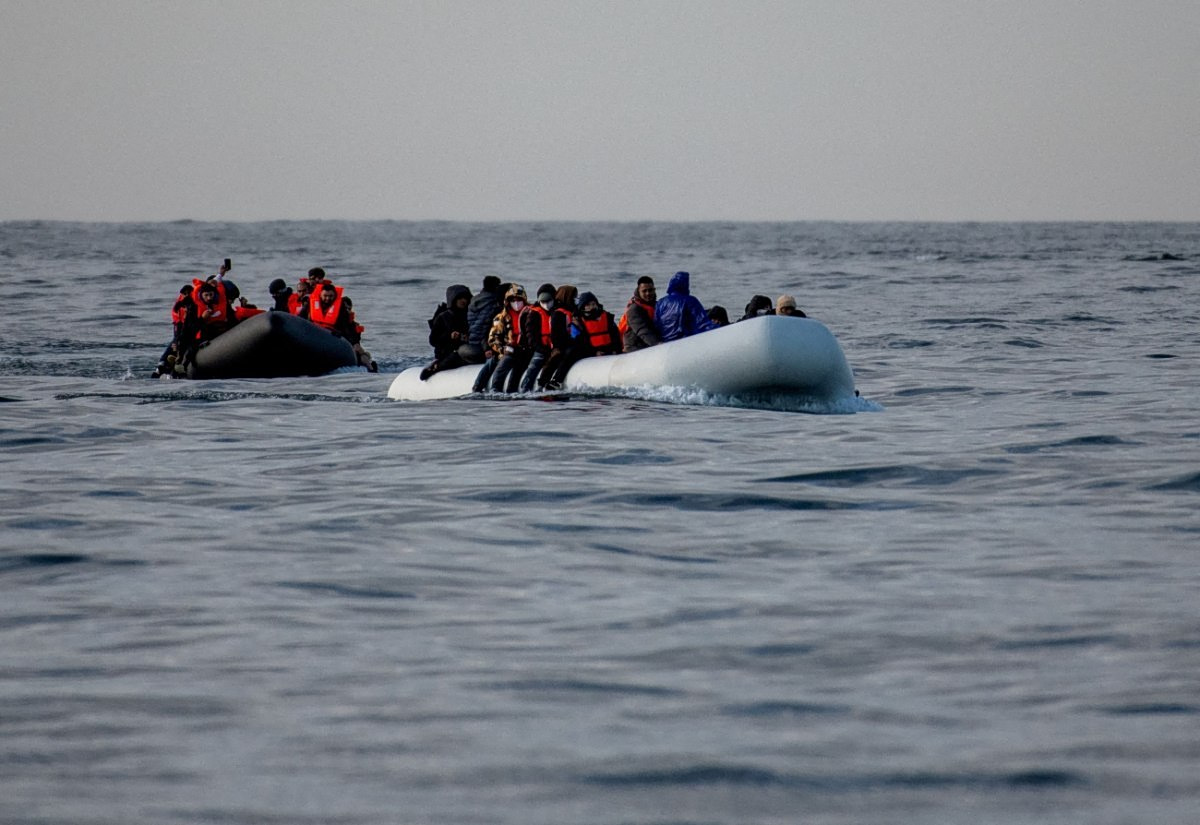
Filippo Grandi, outgoing head of the United Nations High Commissioner for Refugees (UNHCR), has expressed deep concern over what he describes as “increasing hostility” toward refugees worldwide. In his final interview before stepping down, the 68-year-old Italian diplomat warned of a “race to the bottom” as numerous governments tighten laws and practices to restrict asylum seekers and displaced persons.
Grandi highlighted the rise of populist rhetoric that scapegoats uprooted individuals, warning that geopolitical fragmentation worsens the global refugee crisis. Speaking from UNHCR headquarters in Geneva, he stressed that despite these challenges, there remains a strong sense of responsibility to assist those fleeing danger.
He cited examples of proactive responses, such as former Colombian President Iván Duque’s 2021 legalization of roughly 1.7 million Venezuelan migrants, and recent cases along the Lebanon-Syria border, where displaced individuals chose to return home following the fall of the Assad regime. Grandi also expressed anger over situations in Myanmar and Sudan, calling the forced displacement resulting from severe human rights violations “the worst.”
Tomorrow, Grandi will hand over leadership to 65-year-old former Iraqi President Barham Salih, who himself was once a refugee.
Grandi described leaving his post as “painful,” noting that UNHCR faces a deep crisis due to significant cuts in international aid over recent years. Contributions from traditional donors, including the United States and other historically major funders, have declined, forcing UNHCR to reduce assistance and close services while global displacement surges. In June, the agency estimated that 117 million people worldwide have been forced to flee their homes, nearly double the number from a decade ago.
The outgoing commissioner criticized the trend of “my country first” policies, noting that such approaches are ineffective in addressing global challenges. He emphasized that no country, including the United States, can tackle these issues alone, underscoring the urgent need for international cooperation.