 Μake us preferred on Google
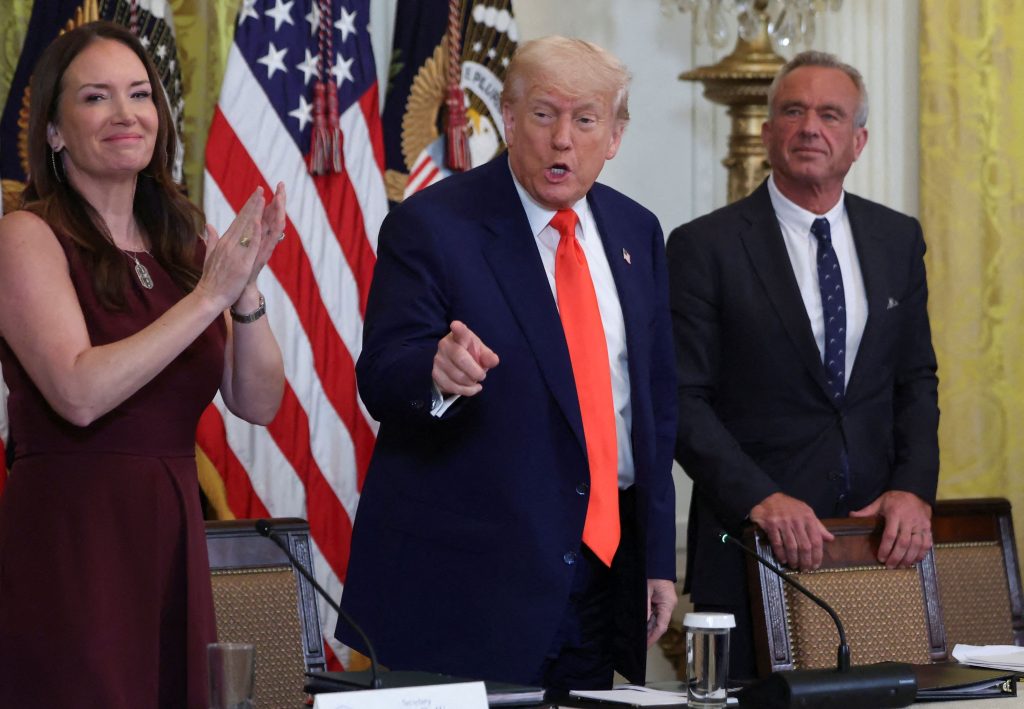
 The Trump administration has unveiled new regulations that will tighten U.S. visa rules for international students, cultural exchange visitors and foreign journalists by introducing fixed periods of stay instead of allowing visas to remain valid for the duration of approved programs or employment.
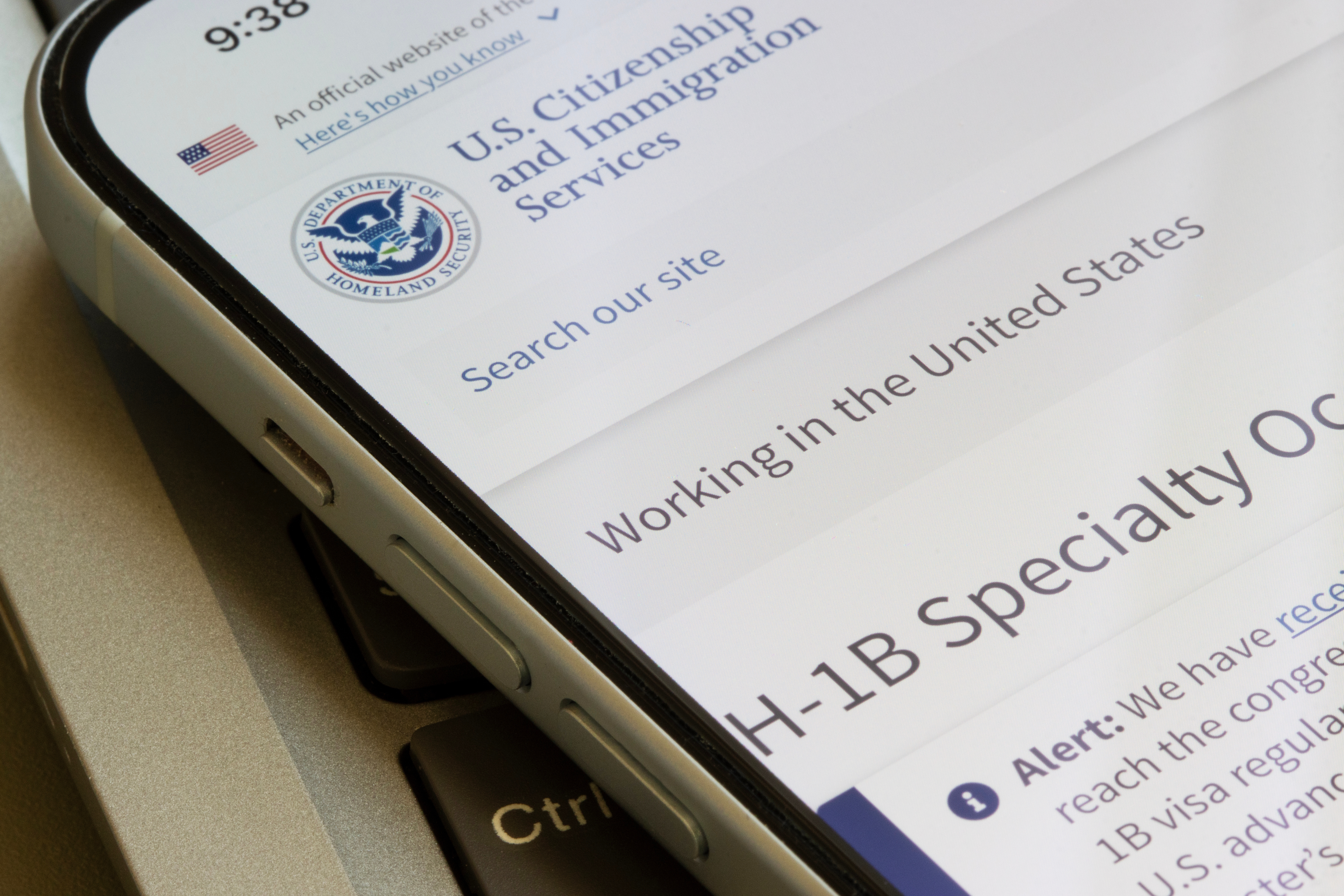
The Department of Homeland Security (DHS) announced the final rule on Thursday. It applies to F visas for international students, J visas for participants in cultural exchange programs and I visas for members of the foreign media. The regulation will take effect 60 days after publication in the Federal Register, subject to congressional review.
Under the new rules, student and exchange visitor visas will generally be limited to a maximum of four years. Journalist visas, which can currently remain valid for years, will instead be capped at 240 days, while Chinese journalists will be limited to stays of up to 90 days.
Visa holders will be able to apply for extensions if they wish to remain in the United States beyond their approved period. Alternatively, they may leave the country and seek readmission.
NEWSLETTER TABLE TALK
Never miss a story.
Subscribe now.
The most important news & topics every week in your inbox.
The changes are part of a broader immigration policy pursued by President Donald Trump since returning to office in January 2025. The administration has increased scrutiny of legal immigration, including revoking student visas and green cards in some cases and removing the legal status of hundreds of thousands of migrants.
The new regulations also introduce additional restrictions for international students. Graduate students will no longer be allowed to change their educational objectives or transfer to another institution without authorization. In addition, the grace period for students to leave the United States after completing their studies or training will be reduced from 60 days to 30 days.
The measures have drawn criticism from former officials and immigration policy experts.
Doug Rand, a former DHS official, said the changes would create unnecessary obstacles for international students despite the benefits they bring to the United States.
David J. Bier, director of immigration studies at the Cato Institute, argued there was no legal basis for the new restrictions on study objectives and school transfers. He also criticized the shortened departure period, saying many graduates would struggle to secure employer sponsorship within 30 days.
The Department of Homeland Security defended the new policy by pointing to the growing number of visa holders entering the country. According to the department, there were more than 1.8 million student visa admissions in 2024, an increase of more than 11% compared with the previous year.
The department also said the United States granted visas to more than 500,000 exchange visitors and 37,300 members of the media during fiscal year 2024.
DHS said the significant rise in admissions has made it more difficult to monitor non-immigrant visa holders and cited numerous examples of students and exchange visitors remaining in the country for decades under the current system.
China previously opposed the proposed rule for Chinese journalists, describing it as discriminatory. Following the announcement of the final regulation, the Chinese Embassy did not immediately respond to a request for comment.