
 Μake us preferred on Google
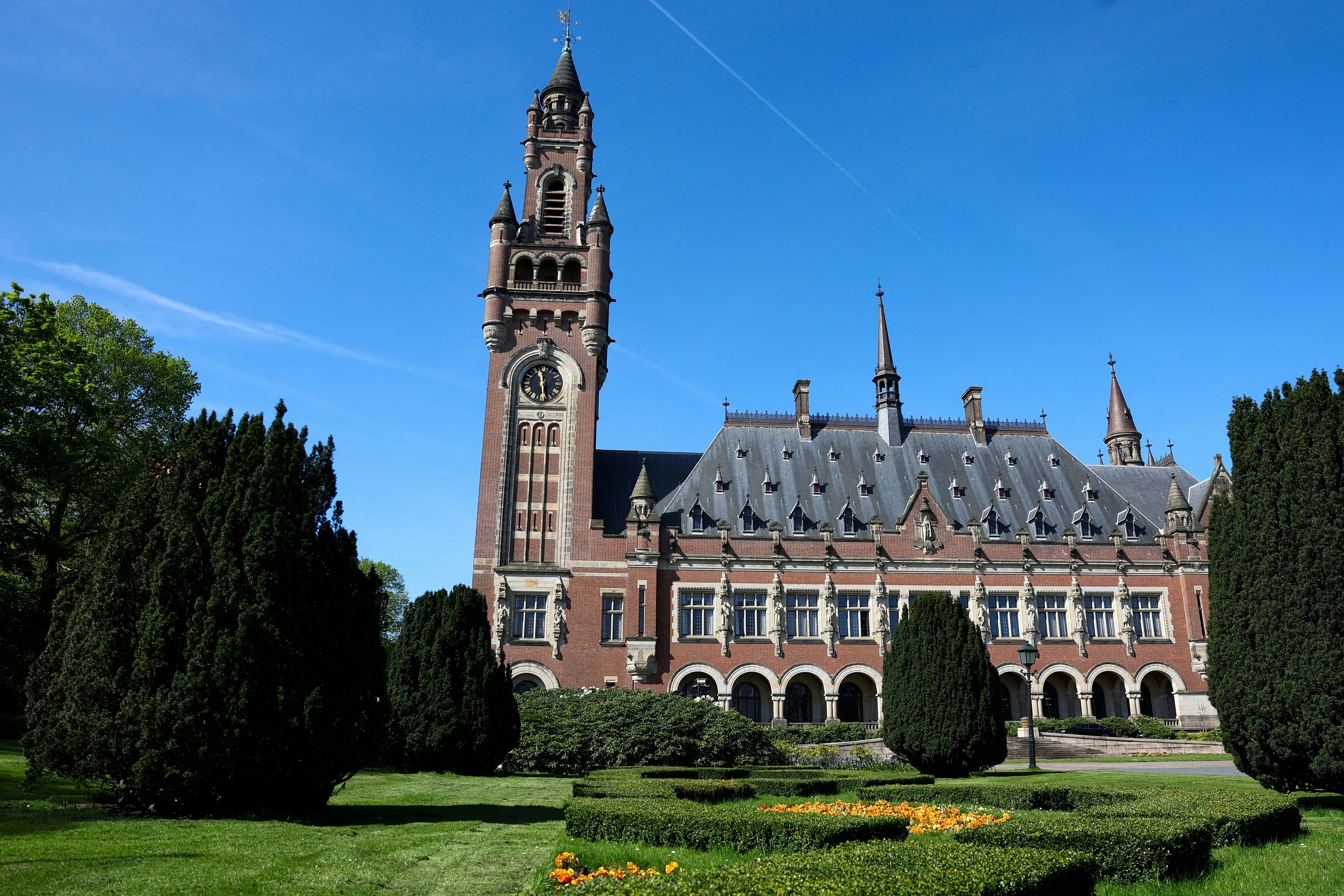
 International Court of Justice heard Venezuela reject its jurisdiction on Wednesday in a century-old territorial dispute with neighboring Guyana over the oil-rich Esequibo region.
At the center of the case is a 160,000-square-kilometre (62,000-square-mile) area of mostly jungle along the Esequibo River, as well as offshore waters where significant oil and gas discoveries have been made.
Guyana brought the case to the World Court in 2018, asking judges to confirm a 1899 arbitral ruling that awarded the territory to what was then British Guiana and established the modern border.
On Monday, Guyana told judges that Venezuela’s claim represents an existential threat, arguing that more than 70% of its territory is affected by the dispute.
However, Venezuela’s representative Samuel Reinaldo Moncada Acosta told the court that “Venezuela does not accept the jurisdiction of the International Court of Justice,” and dismissed the 1899 ruling as a product of colonial-era “gunboat diplomacy.”
Caracas maintains that the dispute should instead be resolved through direct negotiations between the two countries, and said it remains “committed to continuing to act in good faith” in talks with Guyana.
Guyana, for its part, is asking the court to uphold the 1899 boundary, which it says remains valid under international law.
The Esequibo dispute dates back to colonial-era arbitration and has intensified in recent years following major offshore energy discoveries in the region.
A final ruling from the ICJ is expected in the coming months. While its decisions are binding and not subject to appeal, the court has no enforcement mechanism and relies on the United Nations Security Council for implementation.