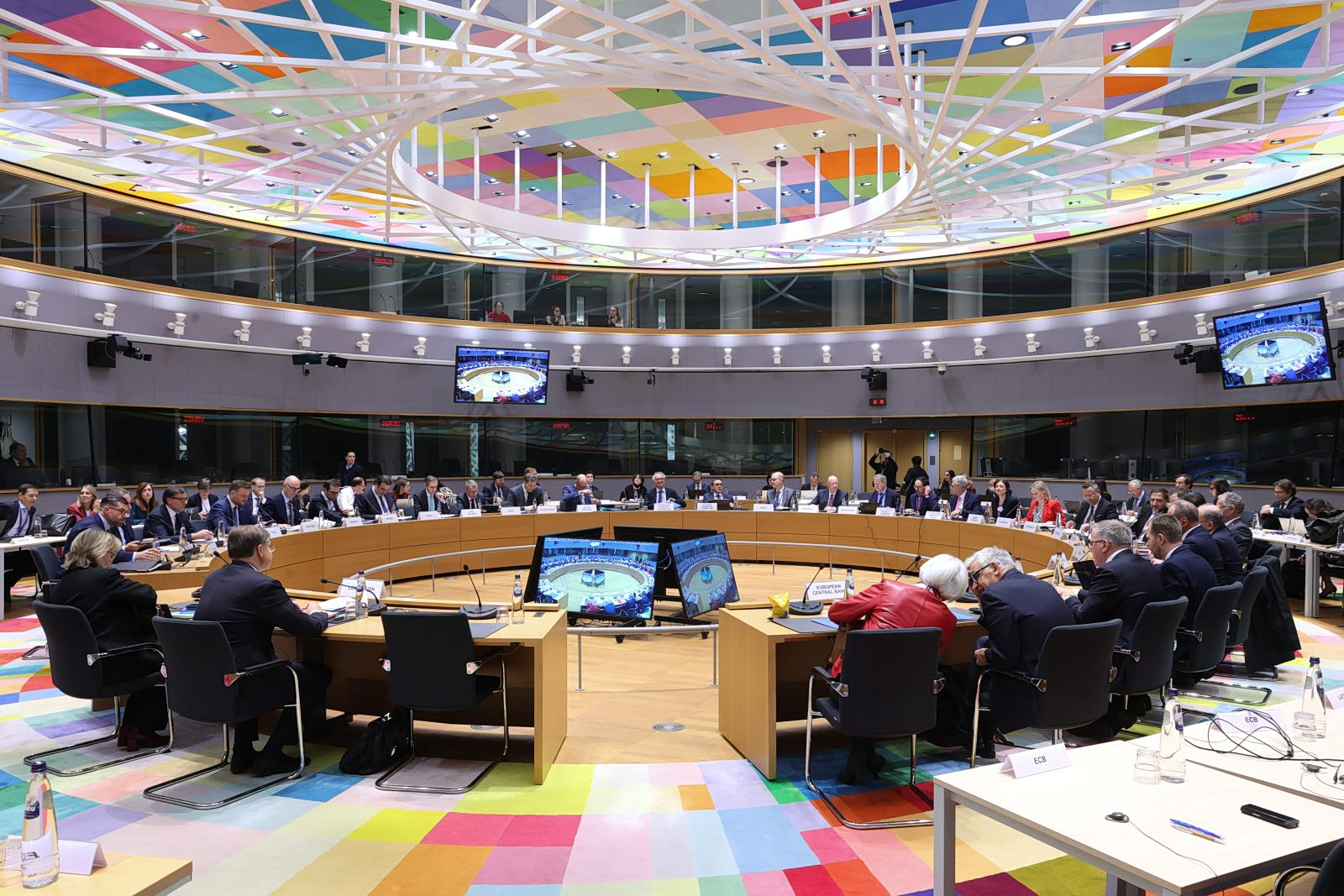
Kyriakos Pierakakis has become the new president of the Eurogroup, the influential but informal body that brings together the finance ministers of the 20 eurozone countries. The Eurogroup plays a central role in coordinating economic policies, overseeing budgets, and ensuring the stability and growth of the common currency.
Although it is not formally established by EU treaties, the Eurogroup functions as the real hub of eurozone economic governance, shaping fiscal rules, investment priorities, and social policy frameworks.
The Role of the Eurogroup President
As president, Pierakakis will:
- Set the agenda and priorities – He determines which topics are discussed and in what order, influencing the balance between northern and southern eurozone nations and guiding economic and social policies.
- Coordinate meetings and mediate – Acting as a negotiator, the president fosters consensus among countries with differing fiscal approaches.
- Represent the eurozone internationally – The president speaks on behalf of the eurozone to the European Commission, European Central Bank, and global institutions such as the IMF and G7.
- Prepare eurozone summits – Decisions reaching EU leaders are first developed and negotiated within the Eurogroup.
- Oversee implementation of agreements – From new fiscal rules to financial support programs, the president monitors progress and manages conflicts or deviations.
Past Presidents
Notable previous presidents include Jean-Claude Juncker (2005–2013), who later became European Commission president, Jeroen Dijsselbloem (2013–2018), Mario Centeno (2018–2020), and Pascal Donohoe (2020–2025), who managed issues including Greece’s debt crisis.
Pierakakis’ Priorities and Statement
In his first statement as president, Pierakakis emphasized unity and cooperation across the eurozone. He highlighted that old divisions between North and South, and East and West, have diminished, stressing the need for joint policies to address economic and security challenges.
He also reflected on Greece’s resilience, noting that “ten years ago, the debate in Brussels centered on whether Greece would remain in the euro. Greece endured, demonstrating the collective strength of its people and the solidarity of Europe in critical moments.”
Immediate Tasks
Pierakakis assumes office on December 12, 2025, and will immediately oversee the process for selecting a new vice president of the European Central Bank, following the end of Luis de Guindos’ term in May. With a mandate for cooperation, decisive action, and fiscal stability, Pierakakis now leads one of the most significant economic bodies in Europe.