Escalating attacks on Persian Gulf oil-and-gas infrastructure are sending the U.S.-Israeli war with Iran into a dangerous new phase that threatens to worsen the crisis over global energy supplies.
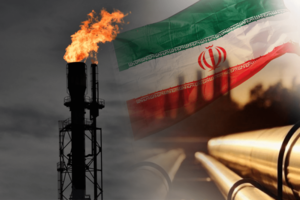
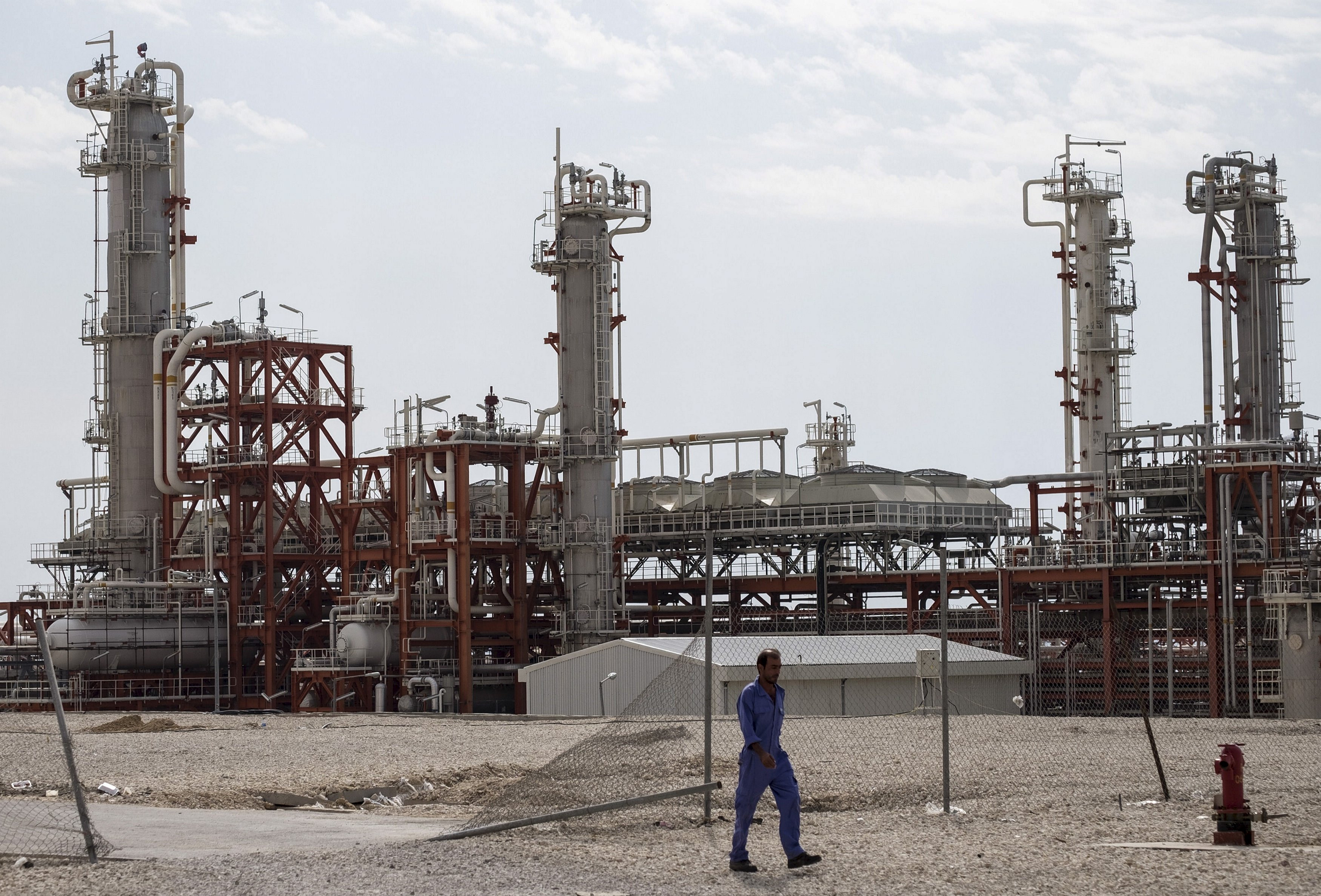
Israel struck at the crown jewel of Iran’s energy industry on Wednesday—the giant South Pars gas field that Iran shares with Qatar and is by far the largest in the world. Iran retaliated with two attacks on a major gas hub in Qatar just across the Gulf and a missile barrage fired at the Saudi capital, Riyadh, with debris landing near a refinery.
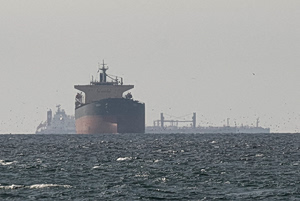
Israel and Iran had already hit energy facilities throughout the nearly three-week-old war, but Wednesday’s attacks struck some of the world’s most important hubs and raised the prospect of tit-for-tat volleys against oil-and-gas facilities. Already, the conflict has effectively closed the Strait of Hormuz, a strategic chokepoint between the Persian Gulf and the wider world that carries about 20% of the global oil and liquefied-natural gas supply during normal times.
Israel’s attack was aimed at stifling an important source of revenue for the Islamic Revolutionary Guard Corps, the group charged with defending the Iranian regime from internal and foreign threats, people familiar with the matter said. It was instrumental in violently suppressing protests in January, killing around 7,000 people, rights groups said.
The U.S., which had previously pledged to rein in attacks on Iran’s energy infrastructure, was informed of the plan ahead of time and had no issues with it, American and Israeli officials said Wednesday.
President Trump approved of the strike, U.S. officials said, to pressure Iran to unblock the Strait of Hormuz. The officials said Trump believed Tehran received the message and wants to refrain from further strikes on Iranian energy infrastructure.
On Wednesday night, Trump denied that the U.S. knew in advance about Israel’s attack on South Pars. “The United States knew nothing about this particular attack” on South Pars, Trump said. “Unfortunately, Iran did not know this, or any of the pertinent facts pertaining to the South Pars attack, and unjustifiably and unfairly attacked a portion of Qatar’s LNG Gas facility,” he said on social media, referring to Iran’s retaliatory strikes on Qatar’s liquefied-natural gas hub that was hit once on Wednesday and again on Thursday morning local time. “NO MORE ATTACKS WILL BE MADE BY ISRAEL,” Trump added.
The president went on to say that if Iran strikes Qatar’s gas hub again, the U.S. “will massively blow up the entirety of the South Pars Gas Field at an amount of strength and power that Iran has never seen or witnessed before.”
The attack Wednesday hit facilities that process gas coming from the field. Fars News, which is affiliated with the Revolutionary Guard, reported explosions at several units in that complex.
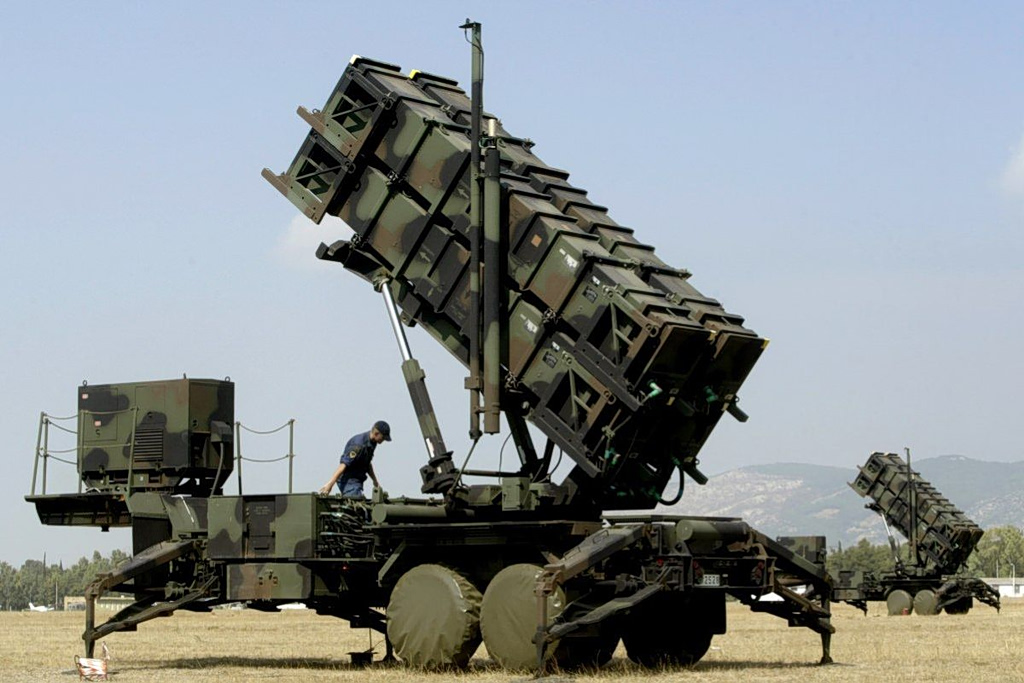
Iran’s missile attack later Wednesday on Ras Laffan, where Qatar has facilities for gas pumped from its side of the giant field, left extensive damage and set fires after four missiles were intercepted and one got through. Qatar is one of the world’s biggest exporters of liquefied-natural gas, a super-chilled substance that can be shipped around the globe.
Qatar condemned the attack as a dangerous escalation and a direct threat to its national security.
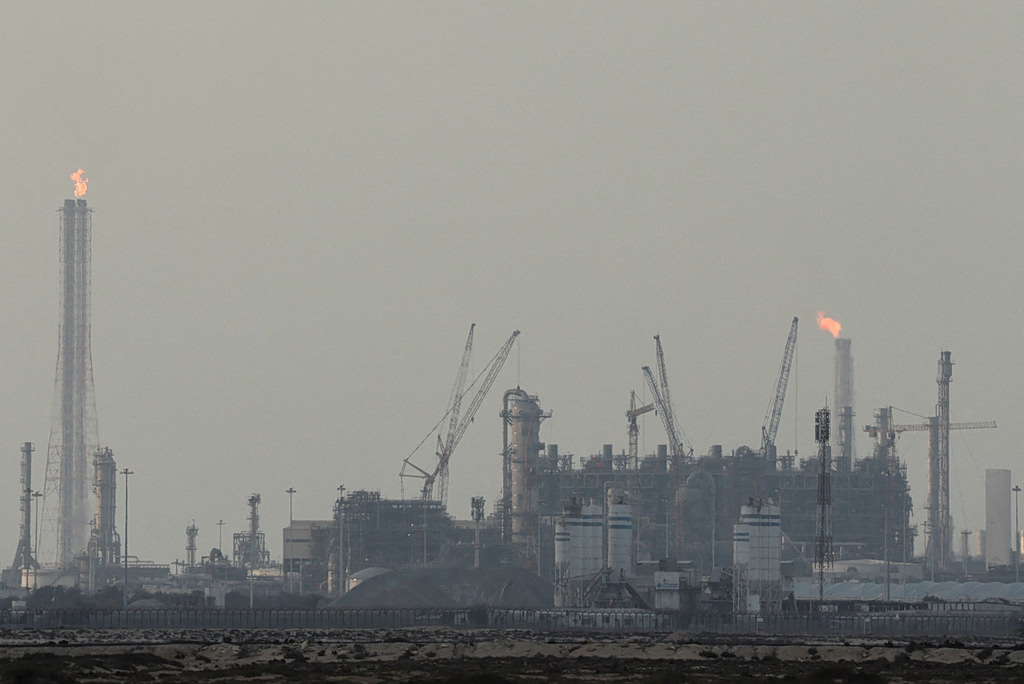
QatarEnergy’s liquefied natural gas (LNG) production facilities, amid the U.S.-Israeli conflict with Iran, in Ras Laffan Industrial City, Qatar March 2, 2026. REUTERS/Stringer
Benchmark Brent oil futures shot up to close to $110 a barrel, and European gas prices surged 6% in the hours following the news. Traders were pricing in the risk that Iran could keep attacking Gulf energy infrastructure and worsen a supply crisis that has already removed millions of barrels of oil from global supply.
“It opens the door to more infrastructure attacks in the region,” said Neil Crosby of the Geneva-based market-intelligence company Sparta Commodities.
The Revolutionary Guard said Wednesday that refineries, petrochemical facilities and gas fields in Saudi Arabia, the United Arab Emirates and Qatar have become direct and legitimate targets after the Israeli attack on South Pars. Operators had begun evacuations for sites on the list as well as other energy facilities in the region as a precaution, Gulf oil officials said.
Attacking those facilities would create “a new level of energy impact from this war beyond the closing of the Strait of Hormuz, as the time to repair facilities following damage could outlast the war,” said Martin Senior, head of LNG pricing at Argus Media.
Arab governments were furious about Israel’s attack and the U.S. failure to head it off, officials said. They had aggressively lobbied the Trump administration to stop U.S. and Israeli strikes on Iranian energy infrastructure and now feel a target has been put on their backs, they said.
“The Israeli targeting of facilities linked to Iran’s South Pars field, an extension of Qatar’s North Field, is a dangerous & irresponsible step amid the current military escalation in the region,” Majed Al Ansari, an adviser to Qatar’s prime minister, said on social media.
The U.A.E. said targeting the field posed a threat to global-energy security.
Energy prices were already on an upswing after Iran effectively shut the Strait of Hormuz to put pressure on the U.S. and Israel to end the war. Iran also has attacked key energy facilities across the Gulf, forcing several to shut down at times, including Qatar’s Ras Laffan.
Gulf states have repeatedly warned the U.S. about the risk of further escalation in an industry crucial to their livelihoods and the world economy.
Their concerns grew sharply in early March when Israel expanded its targets to hit fuel depots and refineries in Tehran. The U.S. told Israel it wasn’t happy with the attacks and told its ally not to repeat them unless Washington signed off , U.S. officials said at the time.
Smoke continues to rise after a reported strike on fuel tanks in an oil refinery, amid the U.S.-Israeli conflict with Iran, in Tehran, Iran, March 8, 2026. Majid Asgaripour/WANA (West Asia News Agency) via REUTERS
Over the weekend, the U.S. struck Kharg Island , home to Iran’s main oil export terminal. While the attack focused on military targets and avoided hitting the energy infrastructure, it further inflamed Gulf concerns.
Wednesday’s strike was orders of magnitude more alarming. The attacks on fuel depots in the capital crimped local distribution within Iran. The attack on South Pars directly implicated a core source of gas production. Iran cut off supplies of gas to Iraq after the attack, and supplies to Turkey could be at risk.
America’s Arab allies are now fuming that they don’t seem to have any influence with the Trump administration despite heavy investments of time and money.
The South Pars facility produced 730 million cubic meters of gas a day, not far off the average daily demand of the European Union, Senior said. Gas produced at the facility mostly supplies Iranian domestic users such as power generators and fertilizer producers.
Cuts to gas shipments to Turkey could cause supply shortages to ripple into global markets, said Tom Marzec-Manser of the energy consulting firm Wood Mackenzie. If that flow stops, Turkey could need to replace it by buying more gas from Russia or bidding for cargoes of liquefied-natural gas.
Gulf states are already experiencing unprecedented production shut-ins as the war continues in its third week. JPMorgan expects oil and oil-products supply cuts to approach 12 million barrels a day by the end of the week, more than 10% of global daily demand.
“In an environment where global supply is short by nearly 7 million barrels a day, the only way the market can rebalance is through a comparable reduction in consumption,” said Natasha Kaneva, an analyst at JPMorgan.
Write to Summer Said at summer.said@wsj.com , Rebecca Feng at rebecca.feng@wsj.com and Alexander Ward at alex.ward@wsj.com