
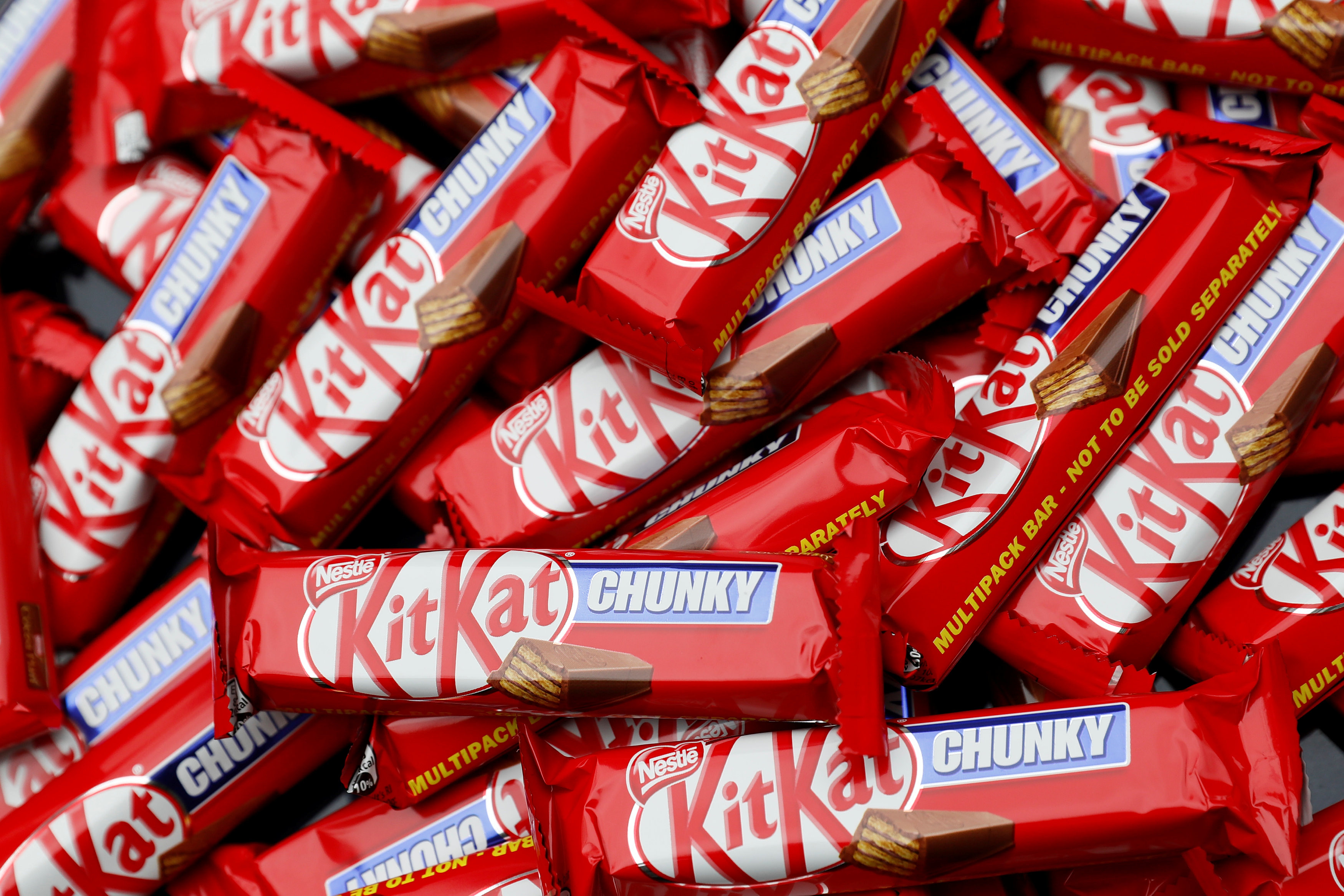
Just how much are 12 metric tons of stolen KitKat bars worth? A lot of promotional gold, it turns out.
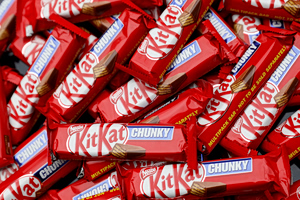
It was the brazen chocolate heist heard around the social-media world: Over the weekend, Nestlé confirmed that thieves had swiped 413,793 units of KitKats somewhere along their way from a factory in central Italy to Poland. Both the chocolate bars and the truck carrying them remain missing, though no one was hurt in the theft, it said.
What the Swiss company lost in chocolate, though, it gained back in a public-relations coup—as did multiple other companies quick to hop on the meme bandwagon.
“We’ve always encouraged people to have a break with KitKat—but it seems thieves have taken the message too literally and made a break with more than 12 metric tons of our chocolate,” the company said in a statement. A spokesman confirmed the heist wasn’t an early April 1 joke.
“Yes, it really happened,” he said.
Taking their cue from Nestlé, other companies soon joined in with some social-media spoofing.
“We would like to share our thoughts and condolences with Kit Kat following their sad news,” an account for Domino’s Pizza in the U.K. posted Monday morning. Then, it added, “On a completely unrelated note, we’re pleased to announce we’ll now be selling a new Kit Kat pizza.”
Charlotte FC, the Major League Soccer club in North Carolina, jumped on the same riff a couple of hours later: “On an unrelated note, we are happy to share we will be offering roughly 413,000 KitKats at this Saturday’s match against Philadelphia at Bank of America stadium.”
The discount airline Ryanair , meanwhile, simply posted a cartoon photo of one of its planes with a face. In the jet’s mouth are five bitten-off KitKat bars.
Not long ago, most companies would have said little, leaving it to law-enforcement authorities to disclose such a potentially embarrassing revelation. Now, any bad news is good news—as long as a corporate brand can turn it into a viral meme.
“It’s a master class in public relations,” said Andrew Bloch, who runs London-based PR consultancy Andrew Bloch & Associates. By leaning in to the misfortune of a lot of stolen chocolate, the company “embraced the opportunity and turned it into a positive.”
The incident is reminiscent of the time, in 2018, when KFC was running out of chicken in the U.K. because of problems with a supplier, Bloch said. Hundreds of the chain’s outlets briefly closed, and it took out a full-page ad in British newspapers to apologize—kind of. The ad featured an empty bucket of chicken emblazoned with its initials rearranged to “FCK.”
“Not particularly good for a chicken restaurant to run out of chicken, and it could have been a potential disaster, but they just embraced it,” he said of what’s now become a case study in crisis PR.
Nowadays, other companies want to profit from the potential buzz from a rival’s misstep, too. After a video of McDonald’s CEO Chris Kempczinski’s polite bite into a burger went viral this month, top executives from Burger King and Wendy’s pounced with similar videos in a lighthearted dig at their competitor. McDonald’s said its new burger, the Big Arch, got a sales boost from all the attention, too.
Trying to juice a rival’s bad news for buzz isn’t advisable if it’s something as serious as an oil spill or a plane crash. But weighing in on an international chocolate-bar caper is pretty low-risk, said Davia Temin, the founder of reputation and crisis management consultancy Temin and Company.
“It’s chocolate, it’s Easter,” Temin said. “I don’t think you can go too wrong.”
To do it right, brands need to be among the first to pounce on a potentially viral mishap, said Allen Adamson , co-founder of marketing consultancy Metaforce.
“If you’re the fifth or sixth to jump on the bandwagon here, you’re toast,” Adamson said. “Spontaneity requires a really clear sense of what the rules are.”
Brands need to be consistent when deciding whether to join a trend, Adamson said. The Domino’s and Ryanair posts were successful because they aligned with the playful brand images they’ve crafted over time, he said.
“You have to know what your swim lane is and when you should jump on,” Adamson said.
Nestlé said it had publicized the incident with humor to raise awareness around the more serious issue of thievery. In this case, it added, the risks are low since the theft won’t affect supply and the chocolate bars can be traced by unique product codes.
“Whilst we appreciate the criminals’ exceptional taste, the fact remains that cargo theft is an escalating issue for businesses of all sizes,” the company said.
Write to Natasha Khan at natasha.khan@wsj.com and Kelly Cloonan at kelly.cloonan@wsj.com