Progress toward a deal to end the war with Iran slowed Monday as the two sides dug in over references to the country’s nuclear program and financial relief for Tehran, mediators said.
The slowdown followed a weekend that began with President Trump and other administration officials saying a deal was close and ended with Trump saying he wouldn’t rush to conclude an agreement that wasn’t right.
After the initial reports of the deal surfaced, Trump came under criticism from more hawkish members of his party who worried an agreement could open the Strait of Hormuz and ease the financial pressure on Iran’s regime but leave its nuclear program intact.
“The deal with Iran will either be a great and meaningful one, or there will be no deal,” Trump said early Monday on social media, blasting his Republican and Democratic critics as knowing nothing about the deal under negotiation.
The two sides are working toward a memorandum of understanding that would end the fighting and lift constraints on shipping traffic in the Strait of Hormuz over 30 days while setting the stage for talks about Iran’s nuclear program in a second phase. Relief from sanctions would depend on progress, a senior U.S. administration official said Sunday.
The U.S. is seeking clearer commitments from Iran about its nuclear program up front, while Iranian negotiators are pressing for details from the U.S. about relief from sanctions and asset freezes, mediators said.
U.S. officials worry Iran will drag its feet on nuclear issues after securing some relief, the mediators said.
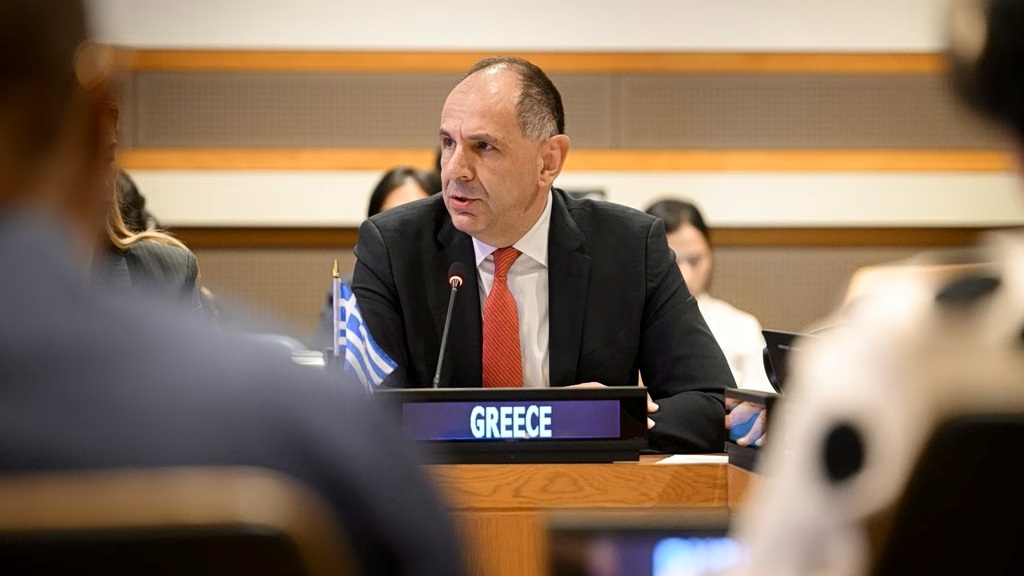
Iranian Foreign Ministry spokesman Esmail Baghaei said Monday that progress had been made on many of the issues in the talks but that an agreement wasn’t imminent.
The country’s top negotiators—parliament speaker Mohammad-Bagher Ghalibaf and Foreign Minister Abbas Araghchi —traveled to Qatar to try to make progress on the sticking points, state media said.
There is pressure on both sides to get to a deal. Trump has been eager to end a war that is unpopular at home and has raised the price of gasoline, putting pressure on consumers. Iran is eager to secure financial relief after the war and U.S. blockade added to the pressure of what was already a spiraling economic crisis .
Gulf countries also broadly support the effort, though they worry that the U.S. could disengage before security concerns raised by Iran’s bombardment of the region during the war are addressed.
Mediators said Arab countries including Saudi Arabia and the United Arab Emirates have pressed them to include a clear clause in the memorandum of understanding that would ensure freedom of navigation in the Strait of Hormuz.
Iran has so far agreed to waive fees on ships passing through the strategic waterway for the duration of the talks. But the Foreign Ministry spokesman said the country continues to assert a role managing the strait and has discussed receiving fees for transit and protection services.
Israel is also concerned that the U.S. could do a deal that would ease the economic and military pressure on Tehran but tie its hands, particularly in its fight against the Iran-backed Hezbollah militia in Lebanon.
Israel is pressing its American contacts and publicly via the media for a tougher deal with more commitments from Iran, a person familiar with the matter said.
Mediators said one concern is who is calling the shots in Iran, with Supreme Leader Mojtaba Khamenei not seen or heard from since being appointed in March. They said they are trying to determine his views on the various issues being debated in the draft text.
The Iranian Foreign Ministry spokesman pointed to the divisions in the American government as well.
“Because policymaking and decision-making in America are afflicted by a kind of institutional instability, we witness frequent changes in positions,” he said, according to state media.
Trump later said he wanted Saudi Arabia, Qatar, Pakistan, Turkey, Egypt and Jordan to sign on to the Abraham Accords—the president’s signature first-term, foreign-policy achievement under which countries including the U.A.E. and Bahrain established diplomatic relations with Israel. He said he would be honored for Iran to join as well once Tehran signs the peace deal now under discussion, and he touted the idea of a combined pact to end the war and Israel’s regional isolation.
“This will be the most important Deal that any of these Great, but always in Conflict Countries, will ever sign,” Trump said on social media. “Nothing in the past, or in the future, will surpass it.”
Egypt and Jordan already have peace treaties and diplomatic ties with Israel. Saudi Arabia was close to joining the accords before the war in Gaza but has since insisted Israel first commit to a path to a Palestinian state. Turkey’s and Qatar’s relationships with Israel have come under increasing strain. The president acknowledged that some of the countries have reasons not to join but said the rest should do so, beginning with Saudi Arabia and Qatar.
“If they don’t, they should not be part of this Deal in that it shows bad intention,” Trump said on social media.