
 Μake us preferred on Google
 LA GUAIRA, Venezuela—For years, patients at the Dr. José María Vargas Hospital struggled with broken X-ray machines, missing lab supplies and a shortage of functioning surgery rooms.
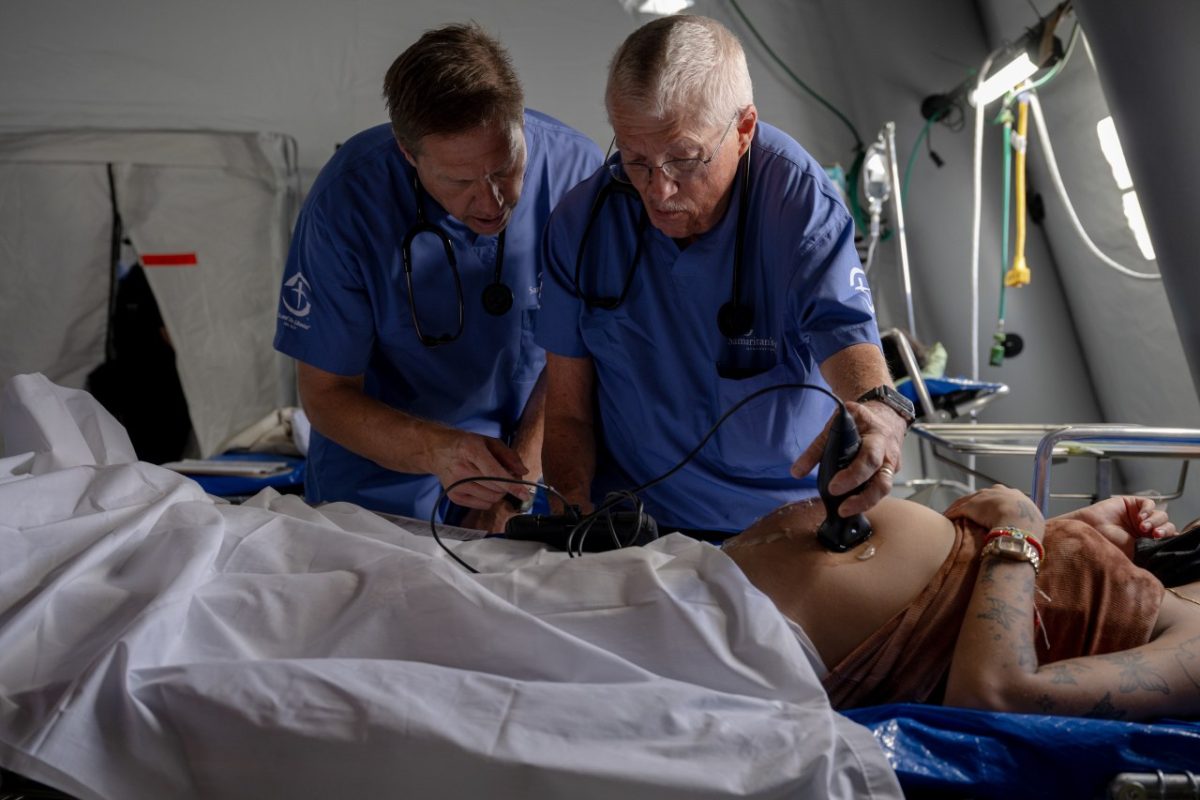
Now, just a stone’s throw away, a different scene is unfolding. Under white tents on a baseball field, more than 80 American doctors, technicians and water-sanitation engineers are treating patients at a modern field hospital in response to the recent earthquakes.
“We haven’t even been promoting this. But people are just walking down the street and then will come in because they see it’s open,” said Thomas Ovington, who leads operations for the 54-bed facility run by Samaritan’s Purse, a North Carolina-based Christian relief group. “There’s so much loss, tragedy and darkness. People are just looking for hope.”
The makeshift hospital is part of a sudden expansion of medical care in quake-ravaged Venezuela, where foreign relief groups and charities have opened clinics offering treatments, tests and medicines that many Venezuelans had long been unable to access.
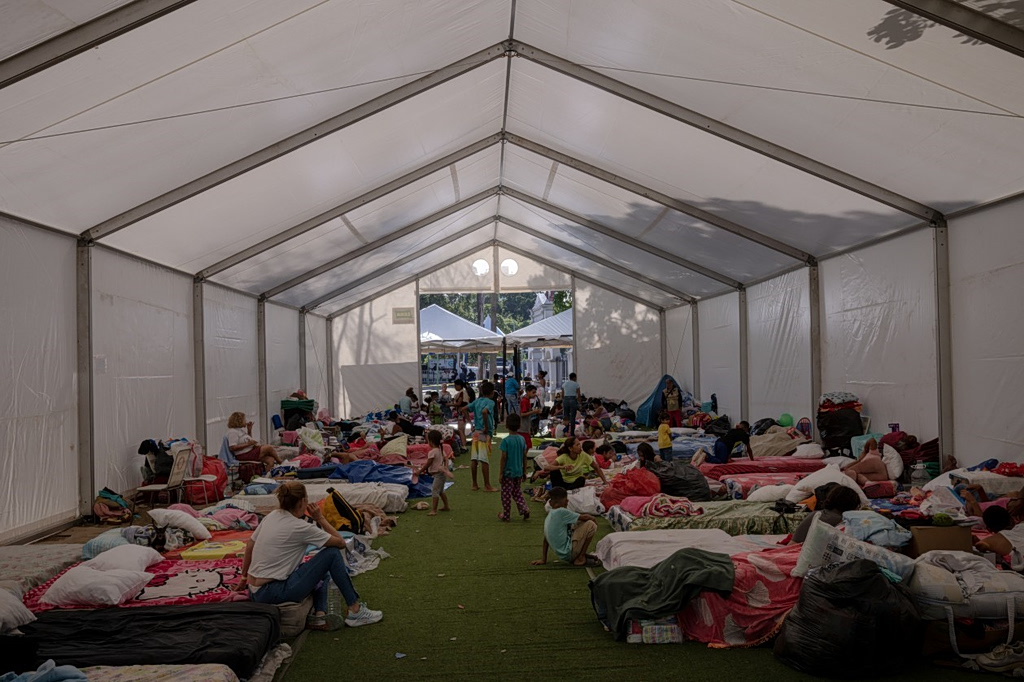
A temporary camp in Caracas for people displaced by the earthquakes. GABY ORAA FOR WSJ
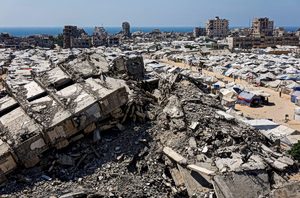
The June 24 disaster—which devastated this coastal region, killing at least 4,118 and injuring some 17,000, with 30,000 still missing—exposed the deep failures of the country’s public-health system. The crisis is testing both interim President Delcy Rodríguez’s government and the U.S. strategy that has championed her administration.
The influx of international aid has given thousands of people a new way to receive care, including ordinary citizens who had stopped going to the doctor because of cost or bureaucracy.
“The precariousness of our public-health system is terrible,” said Mario Patiño, dean of the faculty of medicine at Venezuela’s Central University. “The state’s capacity to respond is very limited. There are a lot of volunteers essentially assuming the functions of the state.”
Julio Morales, a 37-year-old bus driver, said his home in the destroyed beach town of Caraballeda survived the earthquake. But when he saw Mexican and Venezuelan army medics giving free services at a refugee camp the government set on a golf course here, he decided to bring his whole family by for a checkup.
“It’s way better here than going to the state hospital. The attention there is awful,” Morales said, happy to get a badly infected pinkie finger treated. The medic even gave Morales acupuncture treatment after he told him about his chronic high blood pressure. “I’m really relaxed. I was falling asleep,” Morales said.
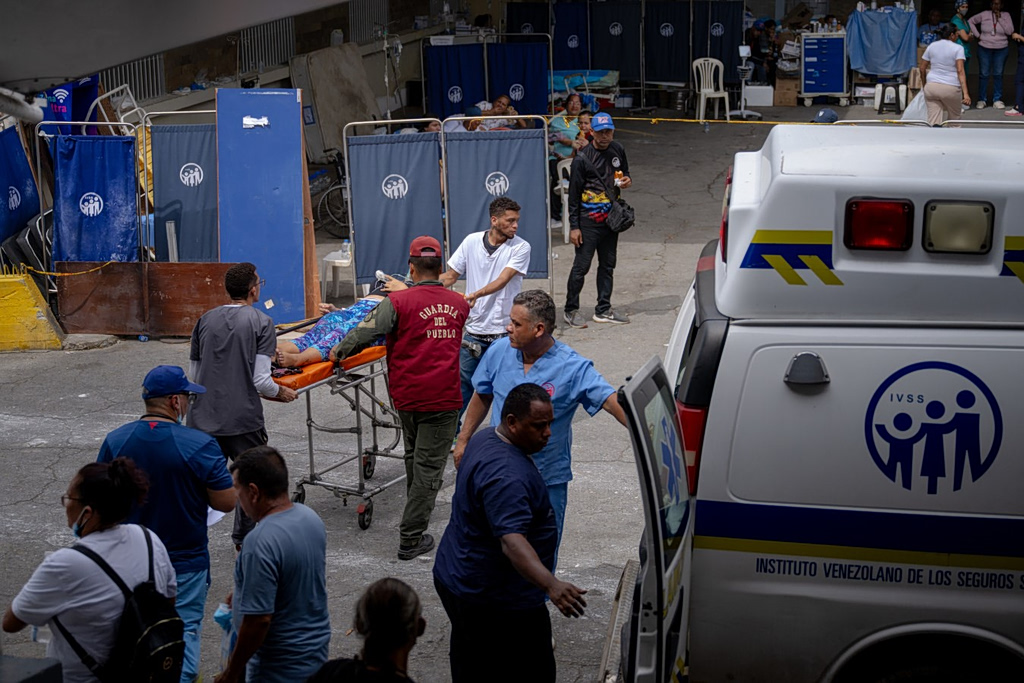
GABY ORAA FOR WSJ
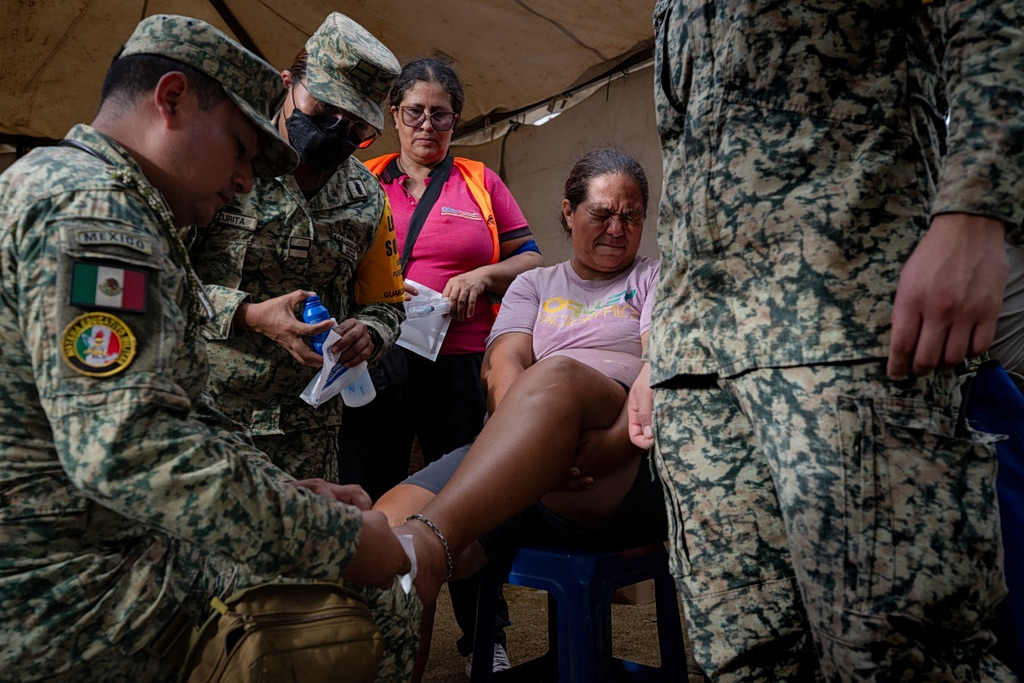
People receiving treatment at a refugee camp in La Guaira, Venezuela.
GABY ORAA FOR WSJ
For years, as Venezuela fell into economic depression, hospitals operated without basic medication , reliable power and even disinfectants.
The new healthcare installations have become a symbol of the Venezuelan government’s renewed engagement with the international community after years of isolation under former leader Nicolás Maduro. The country’s healthcare system had been weakened by corruption and mismanagement during more than two decades of socialist rule.
In recent days, Rodríguez has been visiting field hospitals and thanking a list of some 30 foreign nations for health aid after the disaster. They include countries that Venezuela’s government had considered sworn enemies at the start of the year like El Salvador, Israel and the U.S.
Amid the rubble surrounding the Dr. Vargas Hospital, healthcare options have unexpectedly increased.
A field hospital run by the Brazilian Navy has opened nearby. Venezuelan medical students, doctors and veterinarians are offering primary care out of a McDonald’s that was among the few buildings left intact after the quakes. Looters had broken the glass of the backdoor before ransacking the burger joint after the earthquakes. Now, it is teeming with young healthcare professionals in scrubs and stethoscopes waiting for patients.
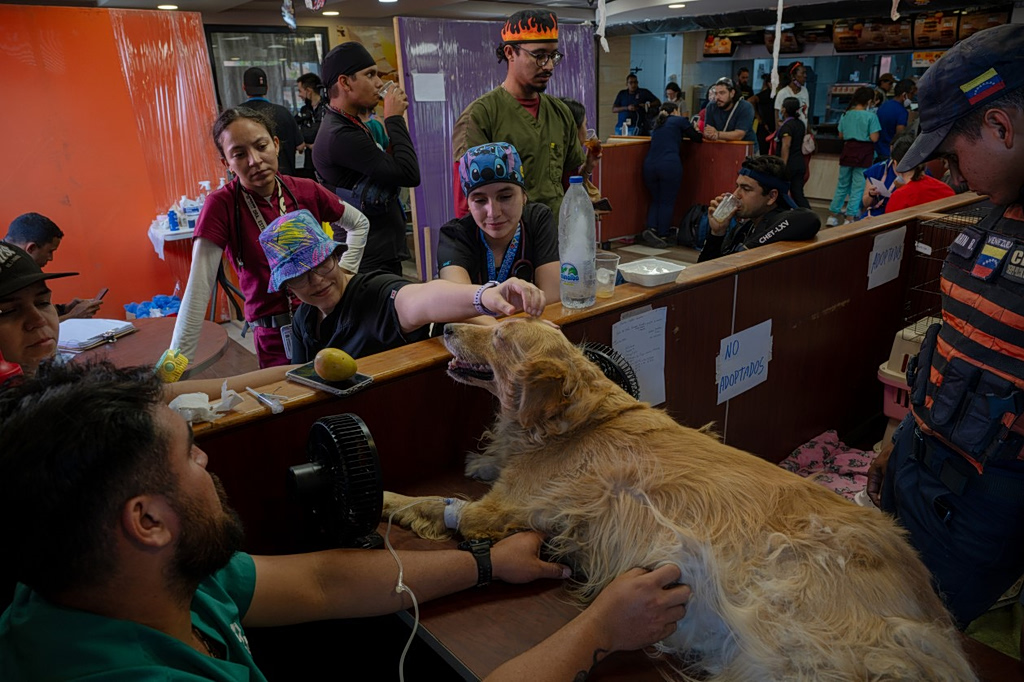
Veterinarians provide medical care to a rescued dog at a McDonald’s restaurant being used as a temporary care center.
GABY ORAA FOR WSJ
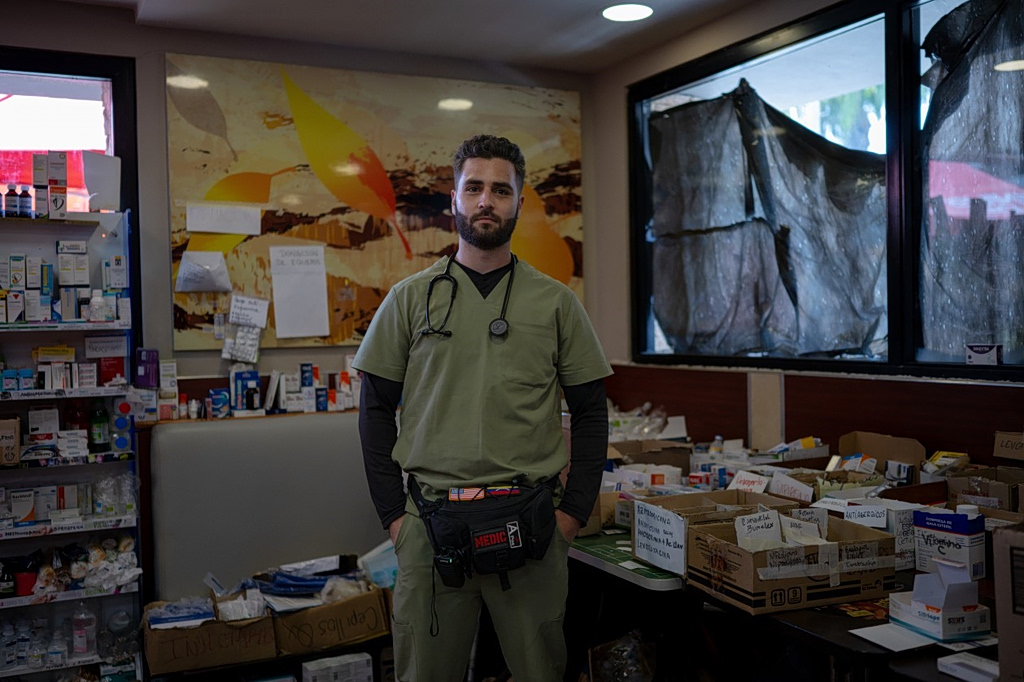
Dr. Juan Ramos, a volunteer surgeon.
GABY ORAA FOR WSJ
“Certainly, us being here is filling a need that ideally should be met by the regular hospitals,” said Dr. Juan Ramos, a 30-year-old surgeon who had traveled a couple of hours by road from the Venezuelan city of Valencia to volunteer.
Samaritan’s Purse, which is currently staffed by Americans, will eventually transition to being run by Venezuelan doctors. The hospital installations, along with the X-ray machines and lab equipment, will stay in the country as charitable donations, Ovington said.
The permanence of the health facilities is crucial because it is unclear how long rebuilding will take for coastal communities destroyed by the quake.
Relief workers are also worried about water contamination and disease spreading in refugee camps that have sprung up around La Guaira and Caracas.
“The hygiene situation is a challenge because people just do not cooperate,” Raibelis Rodríguez, a beach vendor and mother of four children who was among some 4,000 refugees from the coast now living in tents in Caracas’s Park of the West.
She said the overflowing and soiled bathrooms were so disgusting that she had to use the little money she had on her to purchase bleach and disinfectants for her family.
Many other Venezuelans who were rushed to state healthcare facilities in the capital are still facing the challenges of a broken healthcare system. Johan Izaguirre, a 27-year-old building maintenance worker, was stuck in the capital’s Domingo Luciani government hospital waiting for news on his mother who was pulled out alive from a collapsed hotel where she worked.
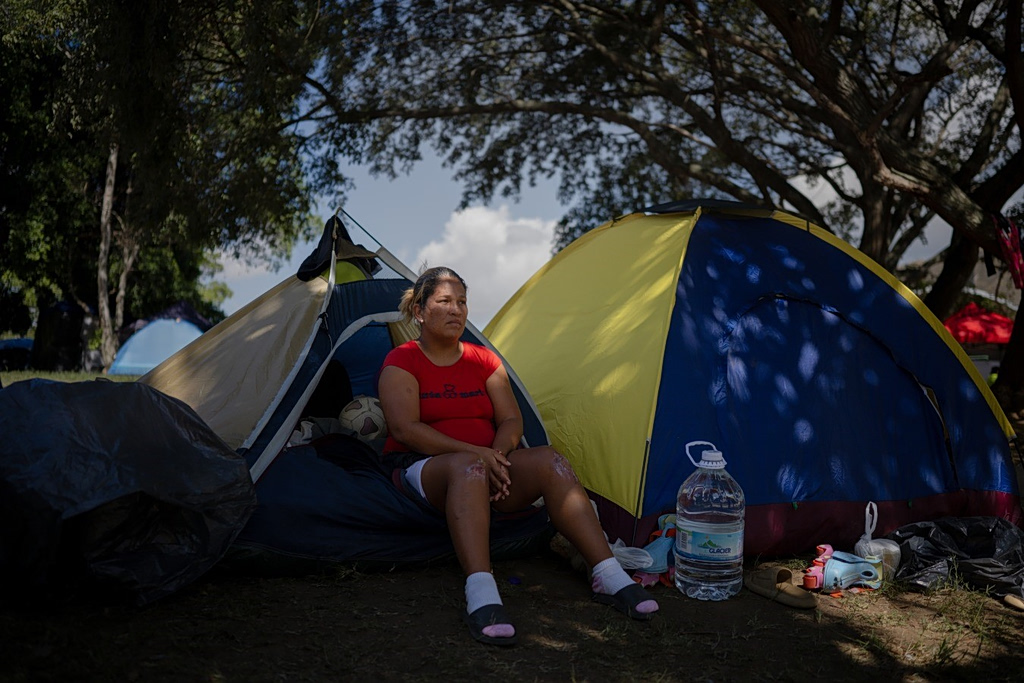
GABY ORAA FOR WSJ
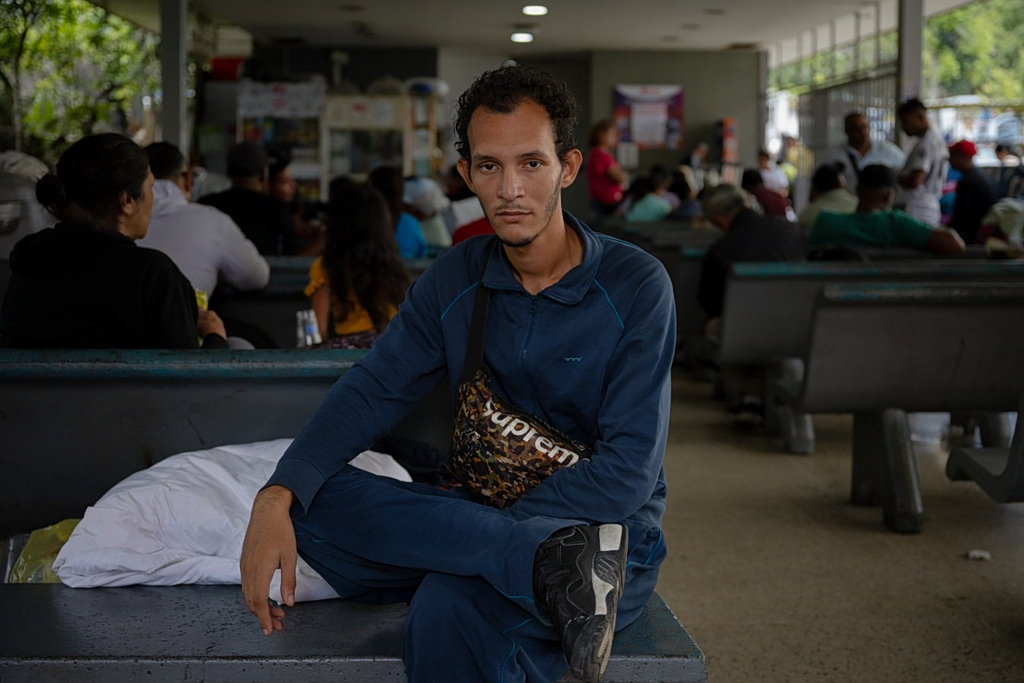
Raibelis Rodríguez, a beach vendor and mother of four, above, and Johan Izaguirre, a 27-year-old building maintenance worker—both faced setbacks after the earthquakes.
GABY ORAA FOR WSJ
Weak and sleep-deprived, Izaguirre said he had spent days taking his mother’s blood and urine samples to a private lab because the hospital couldn’t process them. Each test cost about $25, a quarter of his monthly salary.
“We lost everything,” Izaguirre said. “By the grace of god, we’ll be able to make it through this.”
But there were also signs that the inflow of foreign medical supplies was making some difference at the Domingo Luciani facility.
Jose Mendoza, a 63-year-old school janitor, had been waiting for a series of exams and medications he needed for severe head and abdomen injuries he suffered after he was hit by a car a couple of days before the earthquake. The hospital lacked the costly medication and the family struggled to find it anywhere. But days after the foreign medical supplies began entering the country, hospital workers told his daughter Jackie Mendoza that they had sorted it out and would be able to finish treating her father for free.
“They told us we really lucked out,” said Jackie. “This would have cost $4,000.”
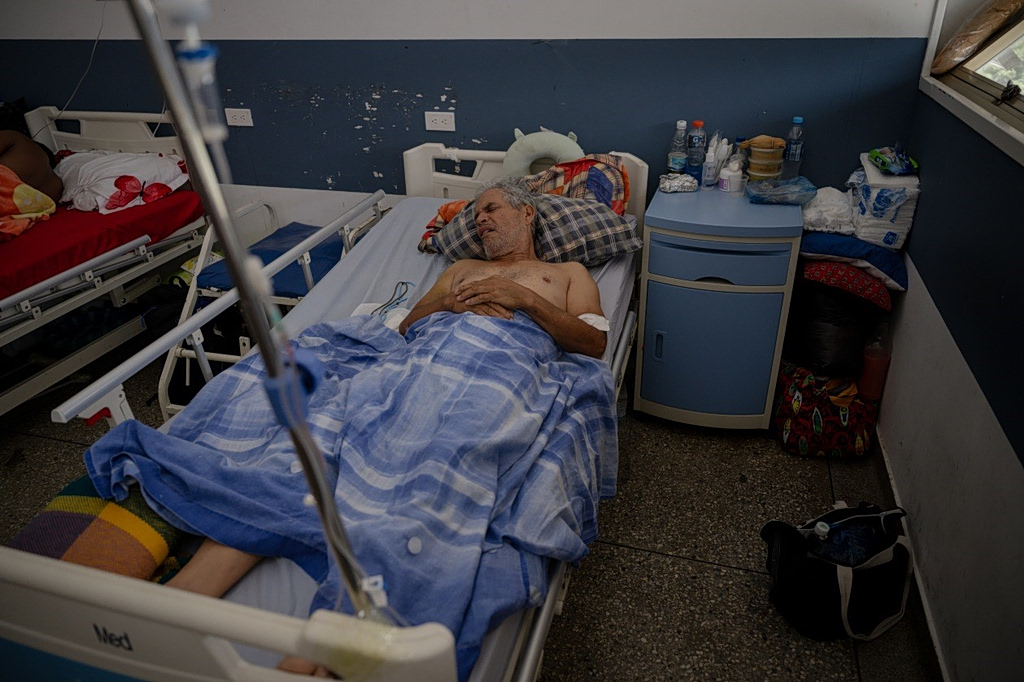
José Mendoza received free treatment after foreign aid restored medical supplies at his Venezuelan hospital.
GABY ORAA FOR WSJ