
Oil and gas prices surged Monday as the Middle East war roils energy markets, forcing major producers to shut down output while the Strait of Hormuz remains effectively closed.
In early European trading, Brent crude climbed 11% to $103.14 a barrel and West Texas Intermediate rose 8.9% to $89.49 a barrel, trimming earlier gains on news that Group of Seven ministers are set to discuss the joint release of petroleum reserves. The global benchmarks reached their highest levels since 2022 earlier in the session, touching $119.50 and $103.67 a barrel, respectively.
Natural-gas markets also rallied sharply. The most-active Dutch TTF front-month contract, the European benchmark, rose 14% to 61.02 euros a megawatt-hour after reaching 69.50 euros earlier.
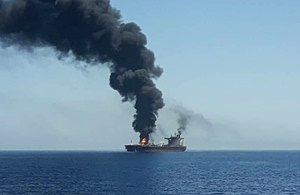
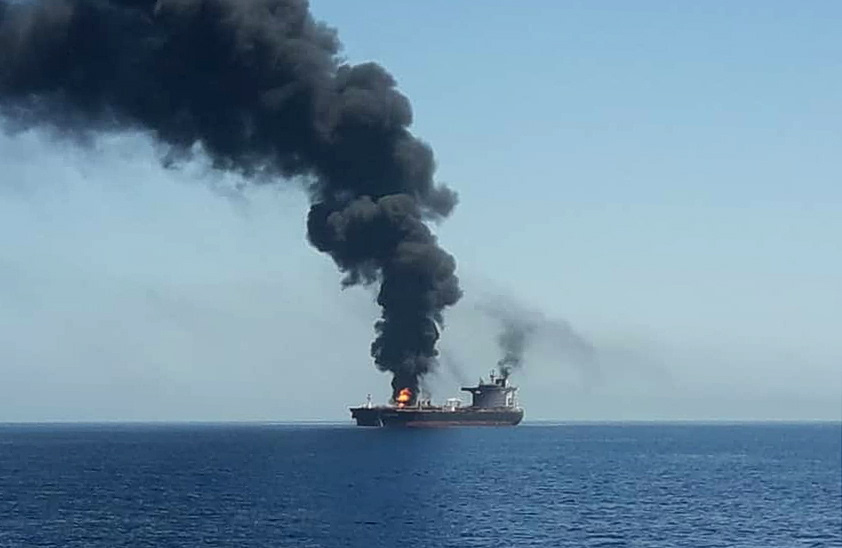
Traffic through the Strait of Hormuz—one of the world’s most critical chokepoints for energy flows—has largely ground to a halt, while infrastructure across the region has sustained direct hits.
Over the weekend, Kuwait began cutting production at some oil fields, becoming the latest regional supplier to rein in output after Iraq and Qatar. Major storage facilities in Saudi Arabia and the United Arab Emirates are also filling rapidly, with both countries expected to soon hit capacity.
The biggest near-term disruption is in refined products, such as diesel and jet fuel.
“The combination of these production shut-ins and no signs of de-escalation in the war means the market is having to aggressively price in a prolonged supply disruption,” said Warren Patterson, head of commodities strategy at ING. “Even if flows through the Strait of Hormuz start to resume, it will take time for upstream production to ramp up.”
Group of Seven finance ministers will meet virtually later on Monday to discuss the potential release of oil reserves to deal with the supply crunch caused by the conflict. However, market analysts warn that if shipping disruptions through the Strait of Hormuz persist for another one to two weeks, crude prices could climb above $130 a barrel despite potential releases from strategic petroleum reserves.
“Alternatives are limited such as tapping strategic oil reserves, but in comparison to the potential magnitude of the supply disruption if the Strait stays closed longer, they are a drop in the ocean,” said Giovanni Staunovo, strategist at UBS. “If regular shipping through the Strait of Hormuz does not resume, oil prices will continue to increase until demand is destroyed.”
Even if shipments resume, Kpler estimates it could take at least a week or two to reposition tankers to the Persian Gulf, load crude from storage and restart oil fields. In the meantime, refiners are expected to rampup purchases of alternative supplies from other regions, which could drive a sharp widening in crude price differentials across the Atlantic Basin and the Americas.
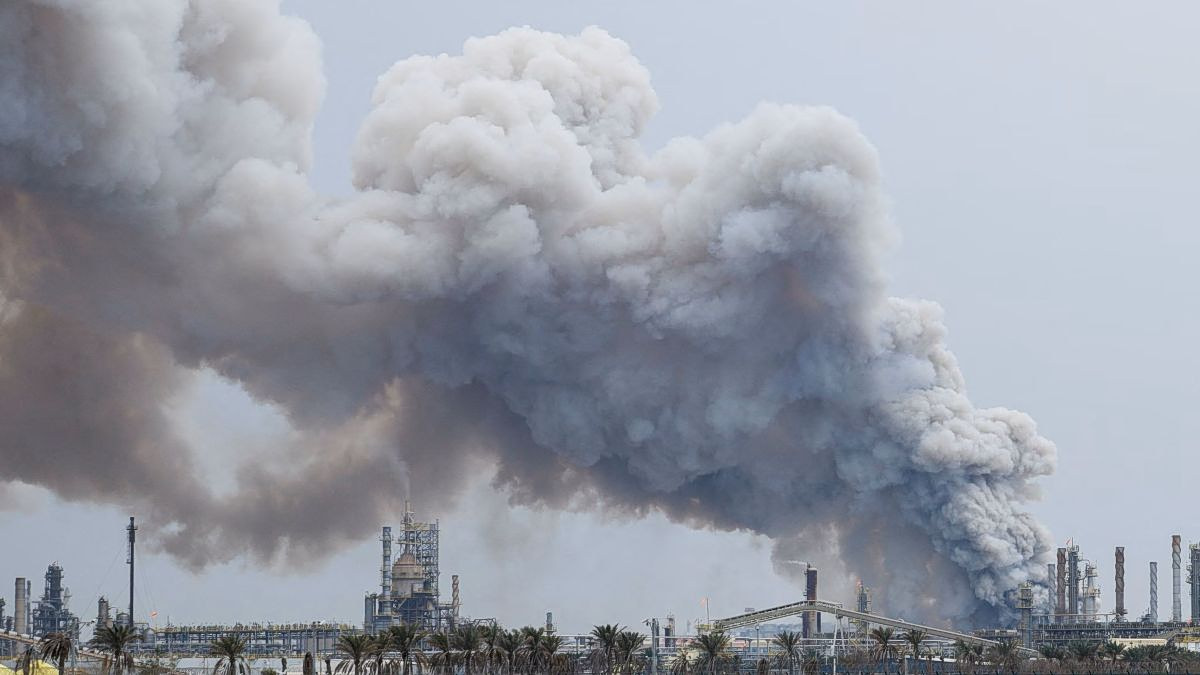
Meanwhile, Qatar-the world’s second-largest exporter of liquefied natural gas-shut down its Ras Laffan LNG facility last week after it was struck by Iranian drones, sending gas prices soaring. European LNG prices climbed 67% last week, the largest weekly gain since the energy crisis in 2022.
The disruption comes at a particularly vulnerable time for Western Europe, where low storage levels are raising concerns about the ability to replenish supplies ahead of next winter.
Even if the conflict ended immediately, market experts warn that supply disruptions could persist for months. With the Strait of Hormuz effectively blocked, there is currently no way to move energy products out of the region, even if Qatar’s plant resumes operations.
Write to Giulia Petroni at giulia.petroni@wsj.com