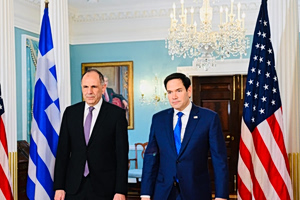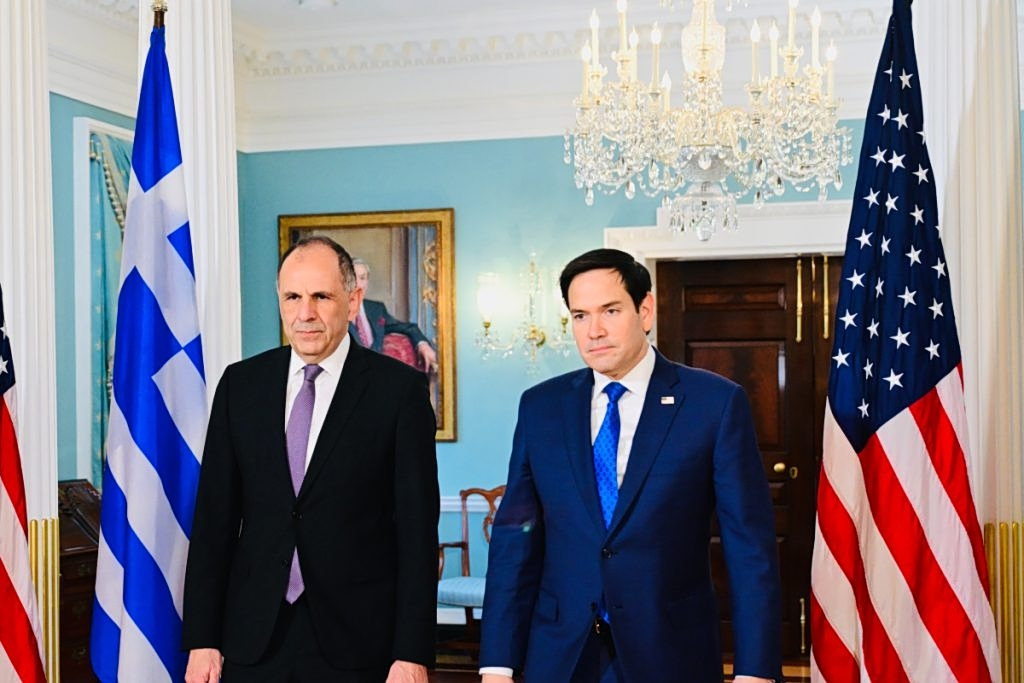
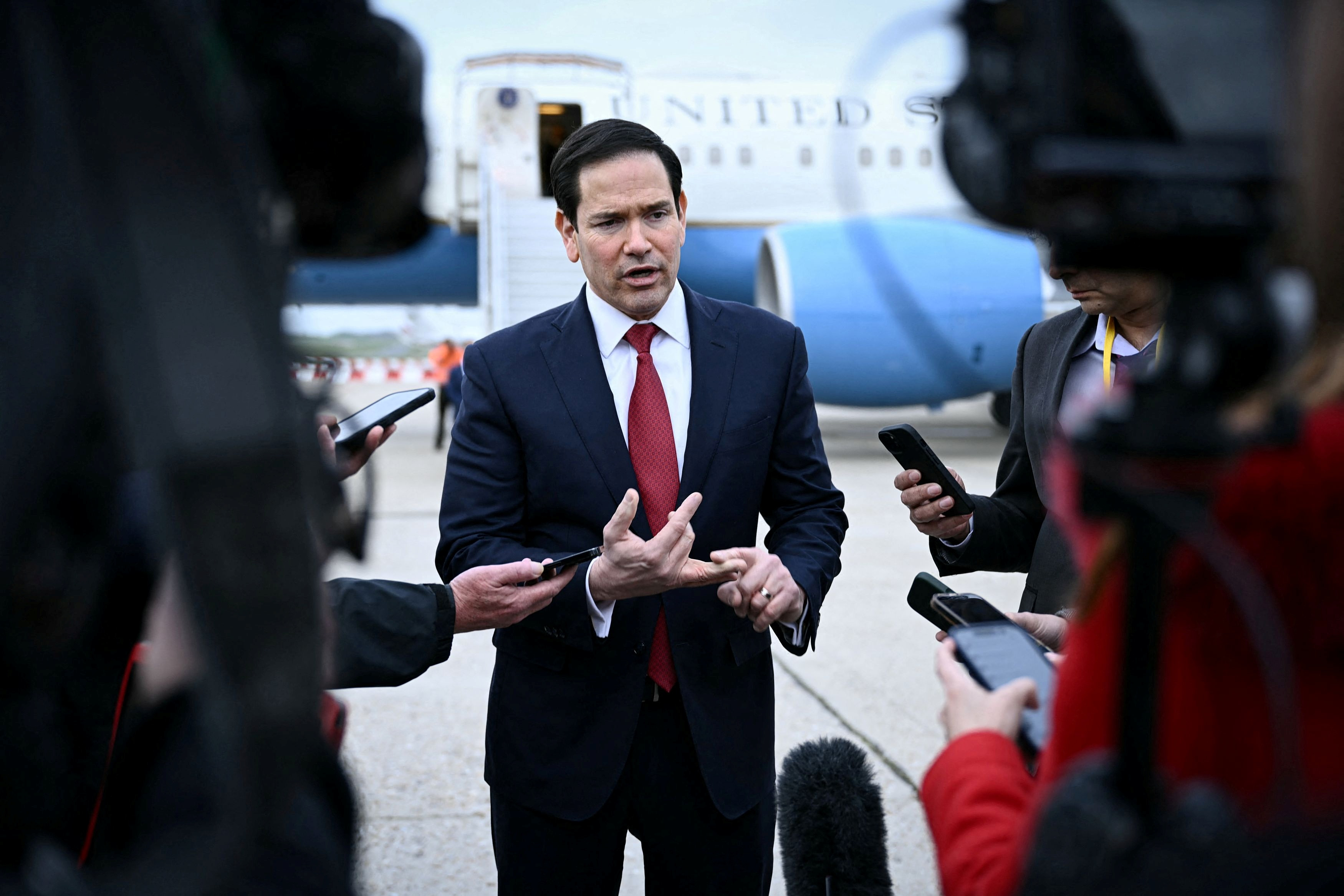
Secretary of State Marco Rubio said the biggest challenge once the war ends would be preventing Iran from imposing tolls on ships crossing the Strait of Hormuz, calling the prospect illegal and “dangerous to the world.” He also said the war would continue for two to four weeks.
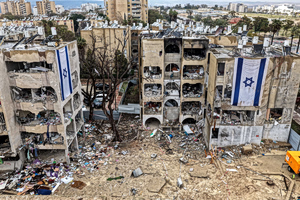
Israel carried out a broad attack on Iranian nuclear-related sites and weapons facilities. The Israeli military said it hit a heavy-water nuclear facility that it first targeted last June and confirmed it also struck a yellowcake production facility.
Iran earlier turned back two China-owned container vessels from the Strait of Hormuz in an unusual move by Tehran, which has focused its shipping blockade on countries it deems supporters of Israel and the U.S.
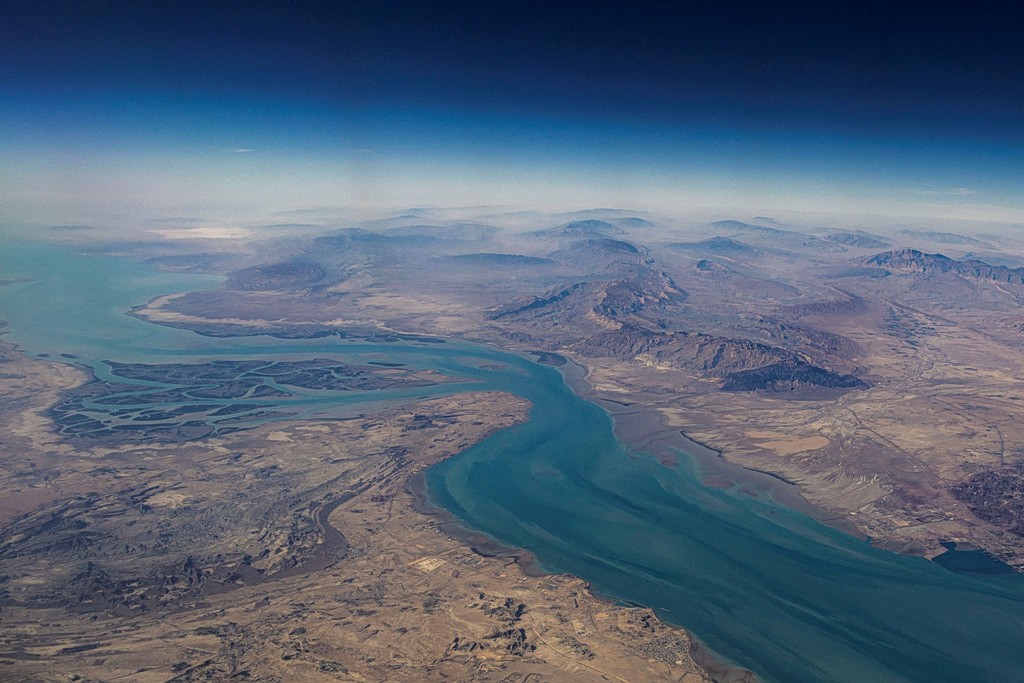
FILE PHOTO: An aerial view of the island of Qeshm, separated from the Iranian mainland by the Clarence Strait, in the Strait of Hormuz, December 10, 2023. REUTERS/Stringer
More than 300 U.S. troops have been injured after four weeks of war with Iran, U.S. Central Command said Friday. The Pentagon is looking at sending up to 10,000 additional ground troops to the Middle East
Crude oil resumed its climb above $100 a barrel and U.S. stocks fell despite Trump’s move to pause strikes on Iran’s energy sector.
An Iranian-linked group said it hacked FBI Director Kash Patel’s personal email account.
Group of Seven foreign ministers urged the permanent reopening of the Strait of Hormuz and the end of attacks on civilians in the Iran war.
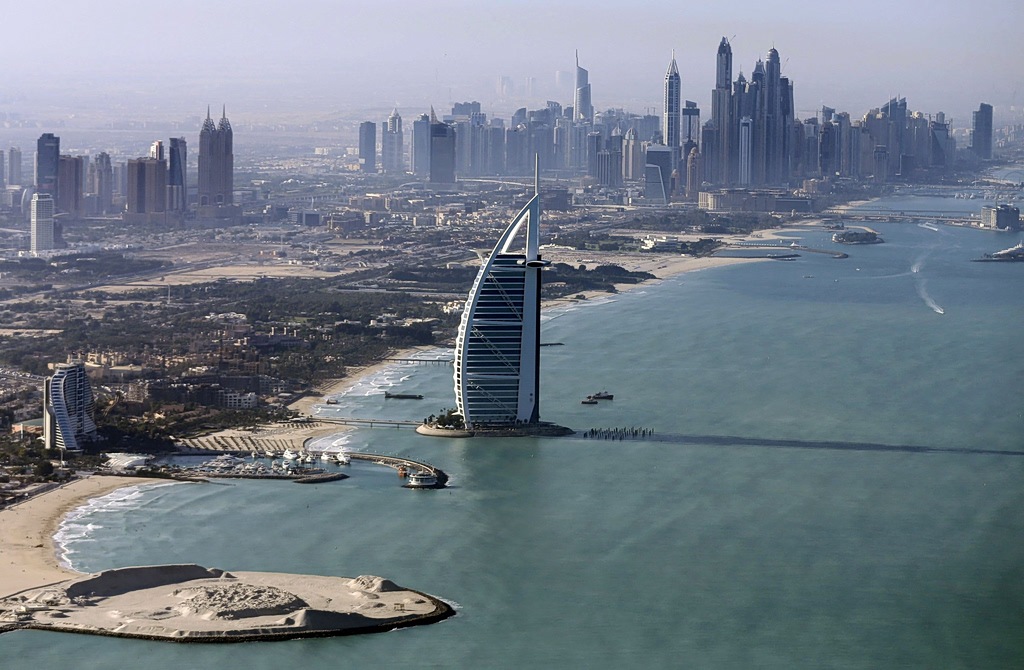
FILE PHOTO: A general view of the luxury Burj al-Arab Hotel at Jumeirah area in Dubai, UAE December 9, 2015. Picture taken December 9, 2015. REUTERS/Karim Sahib/Pool/File Photo
Adjusting to War, Gulf States Brace for Greater Turbulence to Come
DUBAI—A new rhythm of war has taken hold in the Persian Gulf nations, with businesses attempting to adjust to disruptions and residents getting used to Iranian missile-attack warnings that persist, albeit at a diminished pace.
Despite this relative lull in the tempo of Iranian attacks, the growing belief across the Gulf is that things will soon turn for the worse before getting better.
President Trump’s latest attempt at diplomacy with the Iranian regime has, so far, failed to produce meaningful results. With thousands of U.S. troops heading here, and Iran warning of new blows against the Gulf’s infrastructure, the Middle East is bracing for an even more serious conflagration, with potentially devastating economic consequences.
“The deep distrust between all the parties will make an immediate cease-fire next to impossible,” said Hamad Althunayyan, a professor at Kuwait University. “The parties are still invested in this conflict. I don’t think we’ll see de-escalation anytime soon.”
The United Arab Emirates, which bore the brunt of Iranian missile and drone attacks, holds no illusions about a negotiated settlement with the current Iranian regime, which is increasingly dominated by the Islamic Revolutionary Guard Corps. The focus should be not on reaching a cease-fire, but on a “conclusive outcome” that addresses the full range of Iranian threats to the region, from nuclear to missiles to proxy militias, U.A.E. officials say.
By attacking mostly civilian targets in the U.A.E. and blocking navigation in the Strait of Hormuz over the past month, the IRGC is behaving as a terrorist organization, said Noura Al Kaabi, a minister of state for foreign affairs. “They need to be held accountable. They are holding the world hostage,” she said in an interview.
An Iranian regime that remains under IRGC control is no longer acceptable, Kaabi added. “We want to have a normal neighbor,” she said. “Do we want to get a generation that is used to being threatened by our neighbors? I don’t think this is a reality that we want to leave to our next generations. We want a guarantee that this will never happen again.”