 Μake us preferred on Google
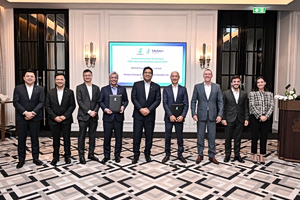
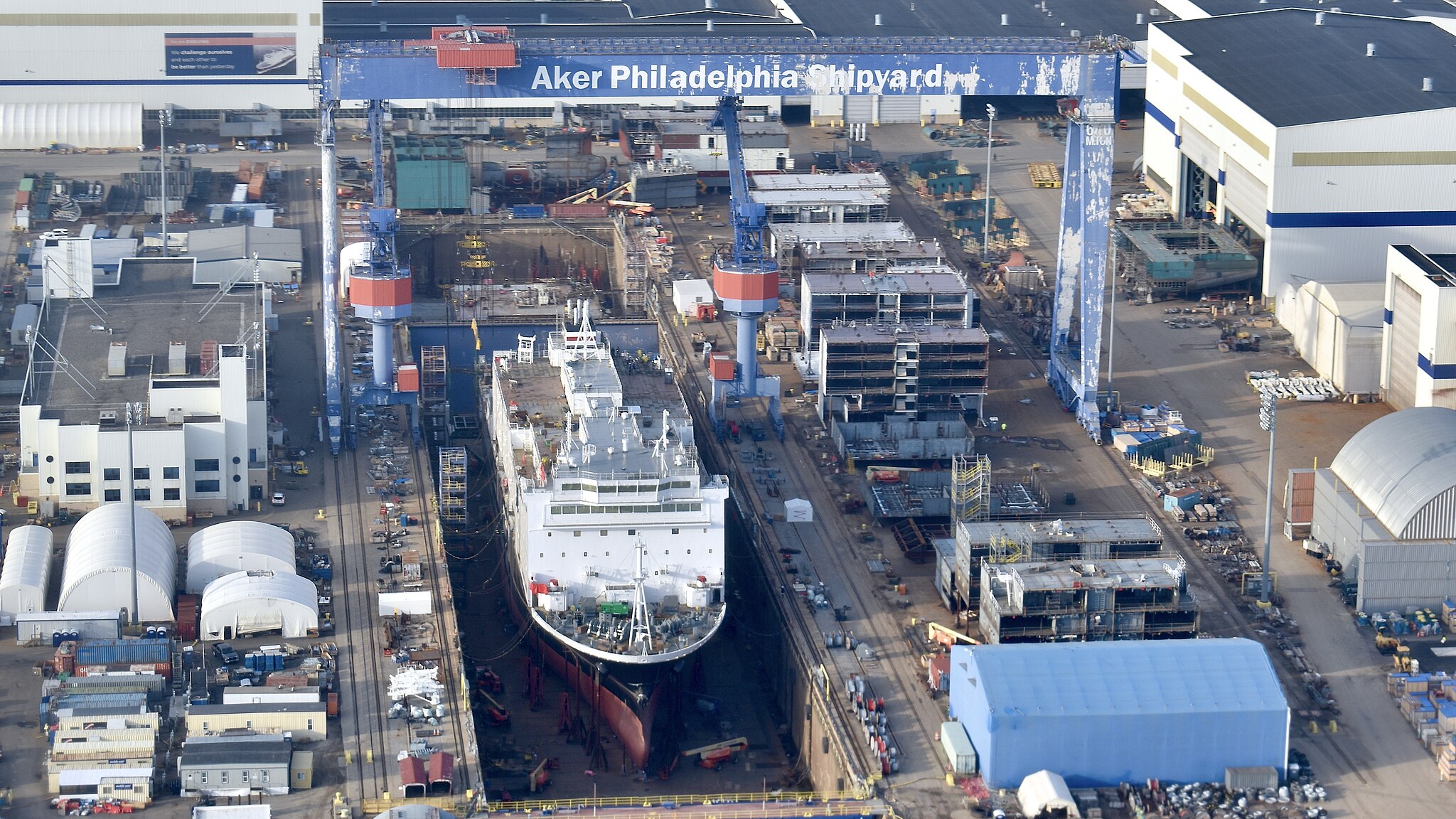
 At the Philadelphia shipyard in August, executives from its Korean parent company stood with South Korean President Lee Jae Myung for a ceremony announcing $5 billion in investments and orders for 12 new ships.
Lee promised to help build a skilled workforce in the U.S., saying the shipbuilding industry would represent “growth, opportunity, dreams and hope” for young Americans.
That dream is a long way off. The two biggest ships on order—a pair of liquefied natural gas carriers—will be made almost entirely in South Korea, according to the shipyard’s owner, Hanwha Group .
The American yard doesn’t yet have the shipbuilding capabilities to make vessels that large and complex. Efforts over the past decade to build simpler LNG carriers in the U.S. have run into delays and cost overruns. Building oceangoing vessels in the U.S. now costs four or five times as much as building them in China or South Korea.
President Trump has been pushing to bring commercial shipbuilding back to the U.S., citing national-security concerns. He reached a deal with South Korea in August to invest billions of dollars in U.S. shipbuilding as part of a broader trade deal.
Trump has said that the U.S. shipbuilding abilities and maritime workforce have been weakened “by decades of Government neglect.” As part of his effort to revive the domestic maritime industry, the U.S. this month plans to implement new port fees on Chinese ships calling at American ports.
American shipyards employed more than a million people during World War II, but in the decades that followed, U.S. shipbuilding slowed to a trickle. Today, the few remaining major shipyards mostly build or repair vessels for the U.S. Navy.
Those that do produce new commercial ships mostly make small vessels for U.S. companies operating on domestic routes. American shipyards get that business thanks to a 1920 law called the Jones Act, which mandates that ships moving goods between U.S. ports must be American-built, -owned, -insured and -operated.
“Pure capital injections, even to the tune of billions of dollars, won’t be sufficient to provide the impetus for a sustainable renaissance in the U.S. shipbuilding industry,” said Basil Karatzas , chief executive of Karatzas Marine Advisors, a maritime consulting firm. It would also require a robust steel industry , a highly trained workforce and advanced engineering and design capabilities, he said.
Hanwha’s two new LNG carriers will be constructed at the company’s shipyard in Geoje, South Korea. The Philadelphia yard, which Hanwha bought last year for $100 million, will ensure that the ships meet U.S. laws and marine-safety standards, Hanwha officials said. The ships will be U.S.-flagged and will be used to move natural gas to Asia and Europe.
Over time, as technology and skills transfer to the U.S. from South Korea, the Philly Shipyard will manage a greater share of the building for Hanwha’s ships, said Hanwha Shipping Chief Executive Ryan Lynch in an interview.
Hanwha has ordered 10 tankers—smaller vessels designed to move goods between U.S. ports. Hanwha has said they would be built in Philadelphia.
Their price tag will be steep. The cost of a tanker built in Philadelphia can exceed $220 million, compared with about $47 million for a tanker built in China or South Korea, according to shipyard executives and shipowners.
Hanwha hasn’t secured customers for the new tankers, Lynch said. For now, the company plans to add them to its own fleet.
America’s commercial shipping fleet includes about 150 vehicle carriers, oil tankers and containerships. Much of that Jones Act fleet is old and must be replaced, said Matt McCleery , president of the ship-financing firm Marine Money. That could provide an opportunity for Hanwha to find clients for its new tankers, he said.
Lynch said Hanwha could also help address another obstacle to expanding America’s commercial shipping fleet: a shortage of merchant mariners . Hanwha is looking to staff its two new natural-gas carriers with specially trained U.S. mariners, he said.
Write to Costas Paris at costas.paris@wsj.com