
President Trump wants to quickly pivot from a Gaza cease-fire to the thornier problem of a broader peace in the Middle East, betting that two years of war transformed the region so much that decades-old animosities can be set aside.
It is a gamble that—much like the unorthodox diplomacy Trump used to secure the release of the hostages held by Hamas—flouts traditional thinking about the intractable problems at the heart of the region’s problems, and it risks inflaming tensions between Israel, Palestinians and the broader Muslim world.
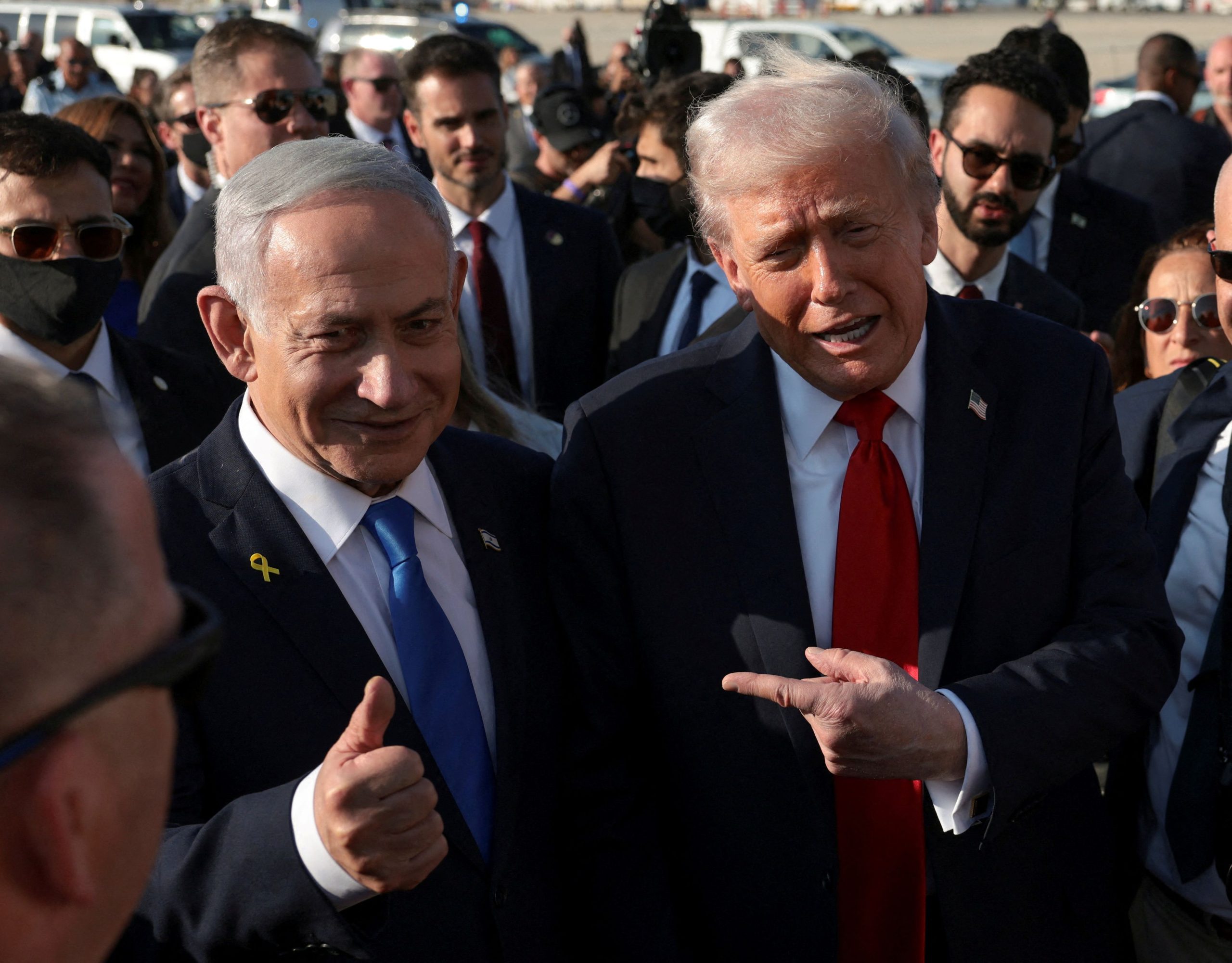
On Monday in Israel, the president presented a sprawling vision for ending the modern era of violence that has gripped the Middle East for nearly a century. Trump broached an offer of peace with Iran, a country the U.S. bombed this year; urged a wider circle of countries to undertake diplomatic relations with Israel; and called for a region free of militancy and extremism.
“This is the historic dawn of a new Middle East,” Trump said in remarks to Israel’s parliament, the Knesset, shortly after the hostages were released. undefined
That sort of talk has often led to frustration or worse. The Middle East is a graveyard for ambitious plans. The neoconservatives of George W. Bush’s administration had hoped to spread democracy by overthrowing Iraqi dictator Saddam Hussein . They ended up spreading a devastating insurgency that took years to put down.
President Joe Biden’s plan to secure an end to the war in Gaza and leverage that to create progress toward a Palestinian state and an expansion of Arab diplomatic ties with Israel never got off the ground.
Even the relatively targeted 1993 Oslo Accords, which aimed to chart a course to peace between Israel and the Palestinians, ultimately fell apart amid pressure from extremists on both sides.
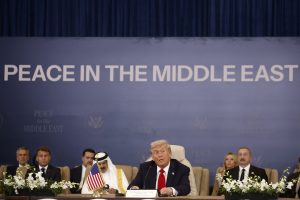
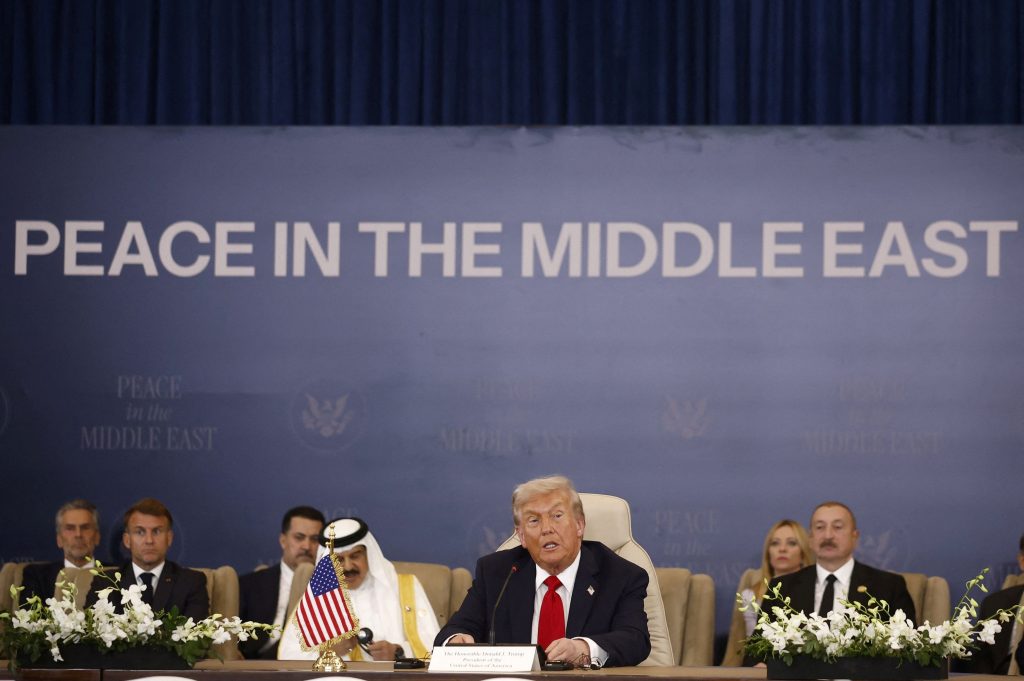
Already cracks are showing in the second stage of Trump’s peace plan. His second stop Monday was Egypt for a summit of nearly two dozen countries to show support for the plan.
Representatives from across Europe and the Middle East were there. Yet Israeli Prime Minister Benjamin Netanyahu hadn’t been asked to attend. Trump helped secure an invitation, but the Israeli leader ultimately turned it down, citing the Simchat Torah holiday that began Monday night.
A number of Middle East countries had balked at his presence, people familiar with the matter said. Israel’s devastation of the Gaza Strip has made it difficult politically to appear with Netanyahu, and the past year’s actions have left Arab states wary of the power of Israel’s military and intelligence services—and the country’s willingness to use it.
The conference ended with Trump and the leaders of Turkey, Egypt and Qatar signing a vague peace pledge , according to a draft of the document reviewed by The Wall Street Journal. Asked how things were going, one delegate sent back a clip from a famous Egyptian soap opera that showed a hapless boss pointlessly opening and closing the lids and drawers of his desk.
Yet the war in Gaza and the string of related conflicts it set off over the past two years have reset the calculus for an elusive Middle East peace in important ways, fueling Trump’s current push.
Israel defanged Iran and its most powerful militia allies, Hamas and Lebanon’s Hezbollah, removing major threats. The massive civilian toll of the war put domestic pressure on Arab governments to rein in Hamas. Gulf states, typically small monarchies focused on growing their economies, were alarmed when their security bubble was pierced by an Israeli missile attack on Hamas leaders in Qatar. And the Assad regime fell in Syria, opening the door to a new beginning in the heart of the Middle East.
Those developments have made realignments possible. First, though, the Trump administration will need to complete the complex task of ending the war in Gaza.
“It is a beginning to the end,” Michael Oren, former Israeli ambassador to Washington during the Biden administration, said of the release of Hamas’s last living hostages. “Now comes the hard work.”
Few specifics
Trump’s plan to end the war calls for ending Hamas control, installing a new, apolitical Palestinian administration and bringing in an Arab-led multinational force to provide security.
Already, Hamas has rebuffed demands to disarm. It sent fighters back into the streets, where they have engaged in a series of deadly clashes with rival local militias and prominent Palestinian clans. Arab forces aren’t likely to wade into that messy situation, particularly without the cover of progress toward a Palestinian state, which isn’t on the table.
Talks on the specifics of implementing the plan haven’t even begun, said Arab diplomats, who described the process as declaring success, then leaving the negotiating teams to work out the details.
Oren said it would require a great deal of U.S. diplomacy and demand a lot of Trump’s time to overcome the challenges ahead. Analysts are worried a president who often jumps from issue to issue could lose interest before the job is finished. Before he left Israel, Trump was already telling special envoy Steve Witkoff it was time to give attention to a nuclear deal with Iran, but not before settling the war in Ukraine .
“He has to be prepared to ride this through to the end,” said Aaron David Miller, a former U.S. Middle East negotiator who is a senior fellow at the Carnegie Endowment for International Peace. “If he doesn’t, this is going to drift, and you will end up with a Gaza that looks more like Oct. 6, whether Hamas is involved or not,” referring to the day before the start of the present war in 2023.
But Trump’s ability to secure the release of the rest of the hostages still alive in Gaza and bring a cease-fire to the enclave was a major diplomatic accomplishment that showed how tides are shifting in the region. Egypt, Qatar and Turkey, all of which have ties to Hamas, contributed to pressuring the group into accepting a deal with no assurances the war would end.
“There’s a lot of fatigue around the issue of Palestine,” said Tahani Mustafa, a visiting fellow at the European Council on Foreign relations. “Regional states were the ones to also demand Hamas’s disarmament, simply because they also have an interest in making sure that things are quiet in the occupied territories.”
Trump managed to bring together the world’s most powerful Arab and Muslim countries to express support for his broader peace plan along with Israel. All of those countries have reservations about the plan, but Trump, by consistently preaching optimism, has effectively dared them to raise them publicly and object to the plan. None have.
At the Knesset, Trump gently admonished Israel for pushing things too far over the past year, as global concerns grew about the human toll of continuing the war.
“The world is big, and it’s strong,” Trump said he told Israeli negotiators. “Ultimately, the world wins.” Israel, he said, “has won all that they can by force of arms.”
‘Embracing this moment’
In Israel, Trump and his peace plan are broadly popular, reflecting a desire to move past war. Israelis went through two years of strain on its armed forces, which are largely made up of civilian reservists who left jobs and families behind. The economy buckled but didn’t break under the stress.
Of the 251 hostages taken, 166 came back alive. For the parents of Hersh Goldberg-Polin, who was killed in the tunnels under Gaza more than a year ago, the emotions of the day were especially complex.
“I’m embracing this moment of goodness where people want to see freedom,” said Hersh’s father, Jon Polin. “We’ve suffered a tremendous loss. So many in the region have suffered tremendous losses. They want to see a cessation of hostilities.”
Mistrust between the two sides persists. Many Israelis are still angry that the hostages were taken and about how they were treated.
Mohammad Hadieh, a lawyer and mediator practicing in Palestinian courts, said Palestinians are happy that a difficult chapter in Gaza’s war is finally over. But they also fear that this could be the beginning of a more brutal and chaotic reality for Gazans, as well as Palestinians in the occupied West Bank, if Israel feels a freer hand to crack down.
The question is whether ordinary Israelis will keep pressure on the Netanyahu government to end the war now that the hostages have been released, he said.
“How will the Israeli public deal with, feel and think about Gaza?” Hadieh said. “This is the big question. Are they really people of peace or people of war?”