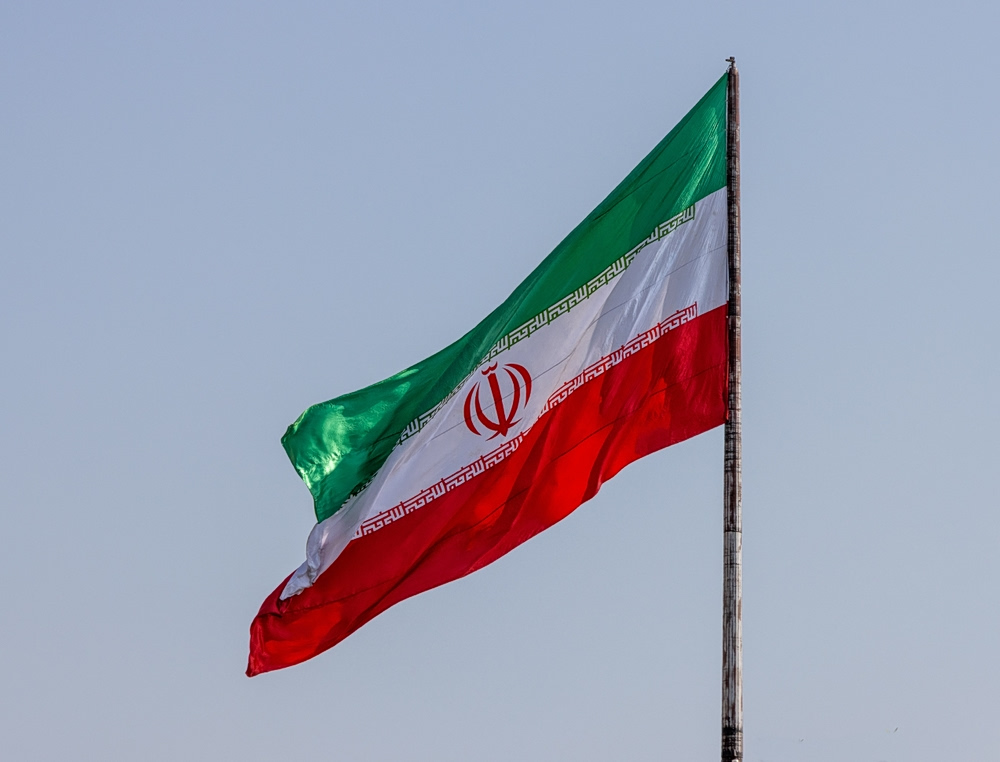
The United Arab Emirates is preparing to help the U.S. and other allies open the Strait of Hormuz by force, Arab officials said, a move that would make it the first Persian Gulf country to become a combatant, after being hit by Iranian attacks .
The U.A.E. is lobbying for a United Nations Security Council resolution that would authorize such action, the officials said. Emirati diplomats have urged the U.S. and military powers in Europe and Asia to form a coalition to open the strait by force, the officials said. A U.A.E. official said the Iranian regime thinks it is fighting for its existence and is willing to bring the global economy down with it in a chokehold on the strait.
The U.A.E. official said the country had reviewed its capabilities to assist in securing the strait, including efforts to help clear it of mines and other support services.
The Gulf state has also said the U.S. should occupy islands in the strategic waterway including Abu Musa, which has been held by Iran for a half-century and is claimed by the U.A.E., other Arab officials said.
In a statement, the U.A.E. Foreign Ministry pointed to a separate resolution passed by the U.N. condemning Iran’s attacks on its cities and to one made by another U.N. body, the International Maritime Organization, condemning the closure of the Strait of Hormuz.
The Emirati Foreign Ministry said there is “broad global consensus that freedom of navigation in the Strait of Hormuz must be preserved.”
Saudi Arabia and other Gulf states are now turning against Iran’s regime and want the war to continue until it is disabled or toppled, Arab officials said, though they have stopped short of committing their military. Bahrain, a close U.S. ally that hosts the Navy’s Fifth Fleet, is sponsoring the U.N. resolution, with a vote expected Thursday.
The U.A.E.’s newly assertive approach is a fundamental shift in its strategic outlook, said officials from a Persian Gulf state. Dubai, the commercial center of the U.A.E., has long financed the Iranian regime. Emirati diplomats were racing to mediate between the U.S. and Iran before the war, an effort that included a visit to Abu Dhabi by Ali Larijani , an Iranian national-security official who later died in an airstrike.
Now, the Gulf state is falling into line with President Trump’s push for allies to carry more of the burden in the war, particularly to help open the Strait of Hormuz. The Wall Street Journal has reported that Trump has told aides that he is willing to end the war without reopening the strait , leaving the matter to other countries.
U.A.E. participation in freeing the strait carries risks. It could set the stage for tension that outlasts the end of the war.
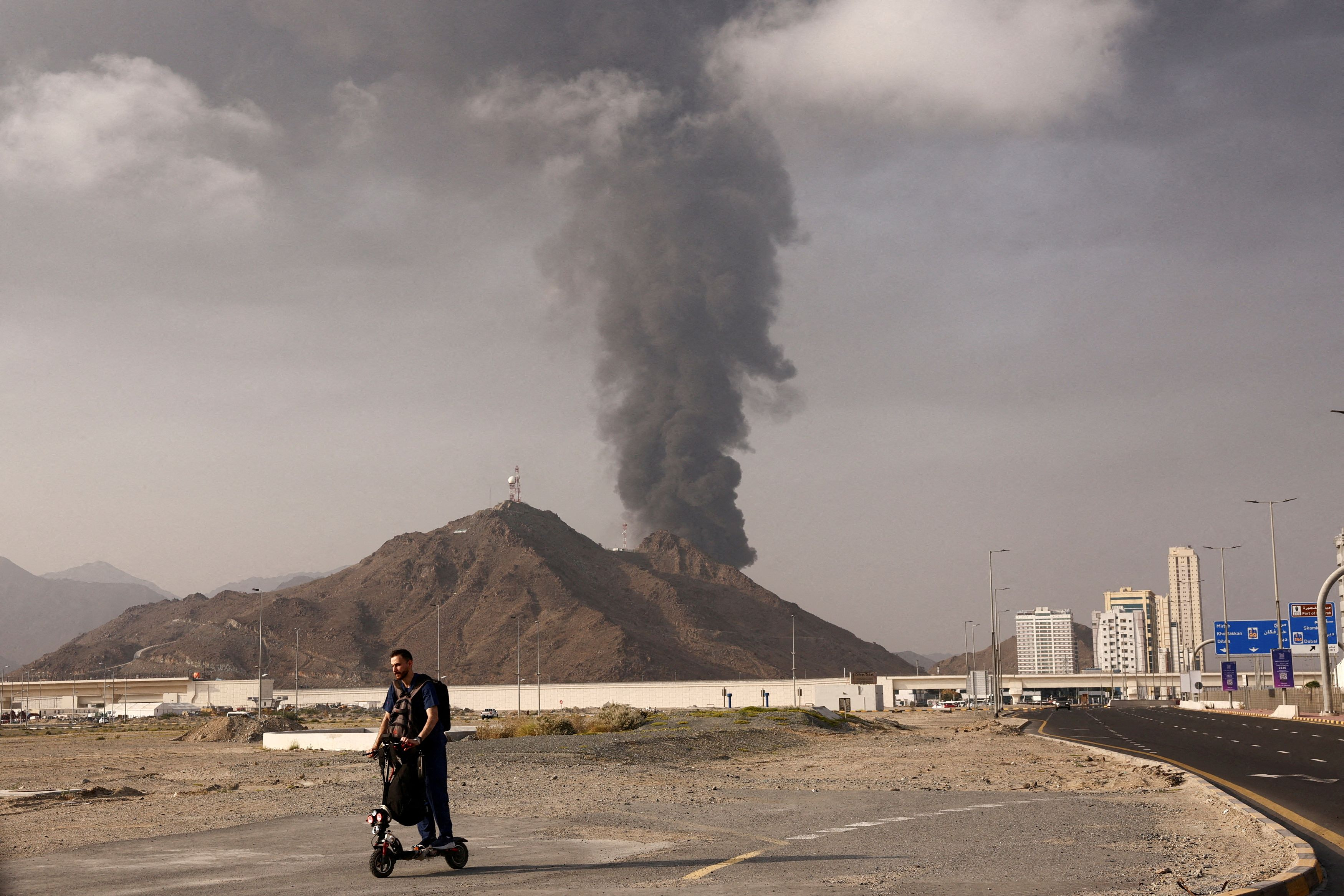
Iran has reacted by stepping up its bombardments of the U.A.E. After proceeding at a low level for weeks, Iran’s missile and drone attacks on the Emirates have risen sharply in recent days, including nearly 50 ballistic missiles, cruise missiles and drones Tuesday. Tehran warned it would destroy the vital civilian infrastructure of any Gulf state that supported any operation to seize its territory and specifically pointed to the U.A.E.
“They could step into this war only to face a more aggressive Iran, continue to absorb hits to critical infrastructure and potentially investor confidence, and then struggle to rebuild ties with their neighbor, particularly if Trump elects to declare victory before reopening the strait or crippling Iran’s missile and drone capabilities,” Elizabeth Dent , a fellow at the Washington Institute for Near East Policy and a former official who focused on the Gulf at the Pentagon, said of the dilemma faced by countries in the region.
Iran has rained down more missiles and drones on the U.A.E.—almost 2,500 thus far—than it has aimed at any other country including Israel. Nonetheless, the U.A.E., like the rest of the Gulf region, had long tried to avoid defining itself as a combatant.
Gulf officials said the country’s position has now changed. Before the war began Feb. 28, the U.A.E. saw Iran as a difficult neighbor with a logic to its political positions, one of the officials said. But the outbreak of the war revealed a very different regime that was trying to sow panic with strikes on hotels and airports in Dubai, the official said.
The Iranian strikes have reduced the U.A.E.’s air traffic and tourism, hurt its property market and led to a wave of furloughs and layoffs. They have also challenged the country’s fundamental selling point—that it is an oasis of peace in a rough neighborhood.
The U.A.E. has countered in part with tough financial measures. A notice from the Dubai-based Emirates airline said Iranian nationals aren’t allowed to enter or transit the country, a step that followed government moves to close the Iranian Hospital and Iranian Club Dubai.
The Emirates’ new posture is most evident in efforts to reopen the Strait of Hormuz—a lifeline for its energy exports, shipping business and food. Gulf officials said the U.A.E. believes countries in Asia and Europe that are reluctant now would help clear the strait with the blessing of the U.N. Security Council.
Russia and China could veto the resolution, and France is proposing a different version. Even if the resolution fails, the U.A.E. would still be prepared to join an effort to free the Strait of Hormuz, Gulf officials said.
Iran is insisting on permanent oversight including a system of tolls. The Gulf states fear any diplomatic resolution would implicitly give Iran a formal say over the administration of the waterway and want it dislodged by military action first, the Arab officials said.
It isn’t clear that military action could open the strait. Any operation would require controlling not just the waterway but also the territory along its 100-mile length, potentially with ground troops , military analysts said.
“I don’t think we can do it,” said Rep. Adam Smith (D., Wash.), the ranking member of the House Armed Services Committee. “All Iran has to do is be able to keep the strait under threat, which means they need one drone, they need one mine, they need one small suicide boat.”
Gulf states that support military action feel that the consequences of having a hostile neighbor controlling such a vital conduit make it worth the risk, the Arab officials said.
A decision to join the military campaign would send a public signal of Arab support for the war, said Bilal Saab, a fellow at Chatham House and a former Pentagon adviser on the Middle East. It would also open up additional options for operations against Iran and for attempting to reopen the Strait of Hormuz.
The U.A.E. has bases, a deep-water port at Jebel Ali and a location near the entrance to the Strait of Hormuz that could be useful staging grounds for a U.S.-led operation to seize islands or to escort commercial tankers through the waterway.
It also has a small but capable air force with U.S.-supplied F-16 jet fighters that conducted airstrikes in Iraq alongside the U.S. in the fight against Islamic State.
The Emirates also has surveillance drones and a stockpile of U.S.-supplied bombs and short-range missiles that could help ease U.S. and Israeli shortages.
“The proximity along the strait means that you can team up and place different platforms there to protect shipping and go after Iranian targets on the other side of the Gulf,” said Grant Rumley, a senior fellow at the Washington Institute, a think tank.
Write to Summer Said at summer.said@wsj.com , David S. Cloud at david.cloud@wsj.com and Michael Amon at michael.amon@wsj.com