The U.S. accelerated its campaign against a shadow fleet of tankers that ship Venezuelan oil, with the military forcibly boarding a ship being escorted by the Russian navy and seizing another tanker in the Caribbean Sea.
The confiscation of the two tankers extended an extraordinary string of actions on the high seas by the U.S. military and Coast Guard, which are targeting vessels around Venezuela that the administration says are engaging in deceptive practices and carrying illicit oil shipments. Four vessels are now in U.S. custody, and the quasi-embargo in the Caribbean has crippled Venezuelan oil exports.
The Justice Department is monitoring several more tankers for similar enforcement action, Attorney General Pam Bondi posted on X.
The seizures mark another escalation in President Trump ’s pledge to take control of the Venezuelan oil industry , coming in the days after the U.S. deposed the country’s leader Nicolás Maduro and said Venezuela would give the U.S. 30 million to 50 million barrels of oil—as much as 15% of the country’s output. One broker estimated the value at between $1.5 billion and $2.5 billion.
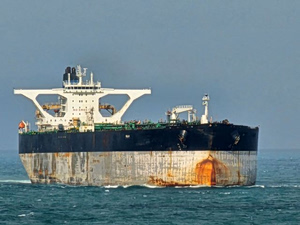
Early on Wednesday, a special-operations force boarded a ship called the Marinera, a tanker formerly known as the Bella 1. The Coast Guard had been pursuing the vessel for two weeks on an odyssey that began near Venezuela and ended south of Iceland, U.S. officials said. Over that time, the ship—which wasn’t carrying any oil—changed its name and claimed Russian protection .
Adding to the stakes: A Russian navy ship and submarine began escorting the ship, the officials said. The submarine had been communicating with the tanker over the past three days, some of the officials said, and video from the Marinera was broadcast on RT, a Russian-state backed news channel.
The Army’s 160th Special Operations Aviation Regiment, nicknamed the “Night Stalkers,” played a prominent role in seizing the ship, according to photos of the operation. The U.S. also brought in P-8 Poseidon “sub-hunter” aircraft, F-35 jet fighters and AC-130J gunships to support the boarding operation since Russian military assets were nearby, according to open-source photos and U.S. officials. The officials said tanker captains and mechanics would be sent on board to operate the vessel.
The U.K. helped support the U.S. operation, British Defense Secretary John Healey said, adding: “This ship, with a nefarious history, is part of a Russian-Iranian axis of sanctions evasion which is fuelling terrorism, conflict, and misery from the Middle East to Ukraine.”
The U.S. military said the Marinera was seized “pursuant to a warrant issued by a U.S. federal court,” though some legal experts questioned the U.S.’s authority to seize the ship given that it was legally flagged to another state at the time of boarding.
Had the U.S. conducted a right-of-visit boarding when the vessel was stateless, it may have a strong “hot pursuit” case to make for seizing the vessel after it became flagged to Russia, said retired Rear Adm. Fred Kenney , former director of legal affairs and external relations at the International Maritime Organization. However, the Coast Guard didn’t board the ship until after it was legally flagged to Russia, which complicates the U.S.’s authority here, he said.
Russia demanded that the U.S. “ensure humane and dignified treatment of Russian citizens aboard the Mariner and respect their rights and interests,” Russia’s state news agency TASS reported.
Russia’s Ministry of Transport said that at approximately 3:00 p.m. Moscow time, U.S. Navy forces boarded the Marinera in the open sea, according to TASS. “Contact with the vessel was lost,” the ministry said.
The Marinera received temporary permission to sail under the Russian state flag on Dec. 24, TASS said.
“The high seas are governed by the principle of freedom of navigation, and no state has the right to use force against vessels duly registered under the jurisdiction of other states,” Russia’s Transport Ministry said.
White House press secretary Karoline Leavitt said the crew aboard Bella-1 would be subject to prosecution. “This was a Venezuelan shadow fleet vessel that has transported sanctioned oil and the United States of America under this president is not going to tolerate that,” she said.
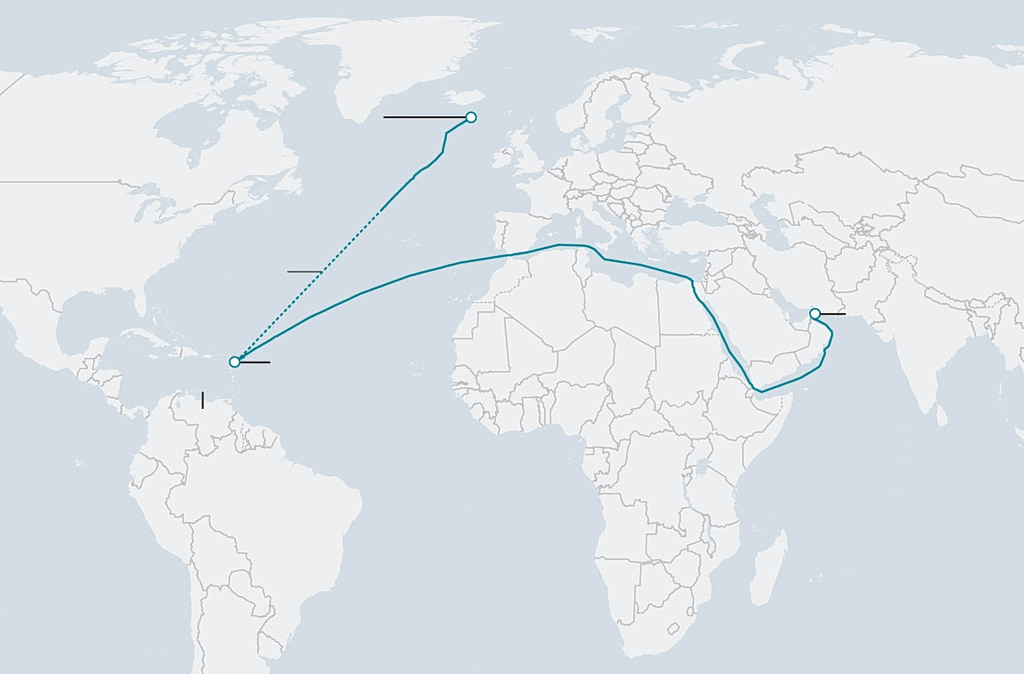
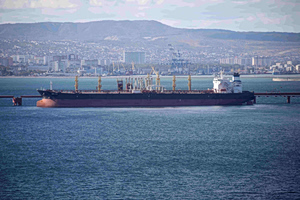
Meanwhile, near the Caribbean, U.S. forces seized a tanker, the Sophia, according to U.S. authorities. In a social-media post, U.S. Southern Command said that the vessel was operating in international waters and conducting illicit activities, and that the U.S. Coast Guard was escorting the ship to the U.S.
In footage posted by Homeland Security Secretary Kristi Noem on Wednesday, armed U.S. forces can be seen boarding and searching the ship during a predawn raid.
“The world’s criminals are on notice. You can run, but you can’t hide,” said Noem announcing the seizures on X. She added that the Coast Guard, which has law-enforcement authority on the high seas, conducted the boardings in coordination with the U.S. departments of Defense, Justice and State.
Marine Traffic, which tracks international shipping, said the Sophia is operated by China-registered Greetee Co. in Dalian. The company couldn’t be reached for comment.
Marine Traffic said the Sophia was carrying about 2 million barrels of Venezuelan crude loaded from Dec. 26 to Dec. 29. The ship—known as a very large crude container, the largest tanker on the ocean—also loaded Venezuelan oil in August last year, Marine Traffic said.
The Coast Guard referred questions to the White House. The White House didn’t immediately respond to a request for comment.
The Bella 1 had been trying to evade U.S. seizure for more than two weeks. When the U.S. began pursuing the ship, it was a stateless vessel flying a false flag and subject to a judicial seizure order, the White House said.
The U.S. had sanctioned the Bella 1 in 2024 for allegedly carrying black-market Iranian oil on behalf of U.S.-designated terrorist organizations aligned with Tehran.
After the Bella 1’s crew repelled an effort by the U.S. to board the vessel in December, the Coast Guard followed it as it steamed into the Atlantic. The crew sloppily painted a Russian flag on its side, changed its name to the Marinera and switched its registration to Russia.
The U.S. has indicated that it will continue seizing vessels near Venezuela following the capture of Maduro. On Tuesday, U.S. Southern Command wrote on social media that it was ready to stand against “sanctioned vessels and actors transiting through this region.”
“The blockade of sanctioned and illicit Venezuelan oil remains in FULL EFFECT—anywhere in the world,” Defense Secretary Pete Hegseth said on X.