 Μake us preferred on Google
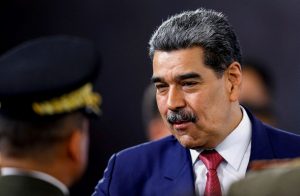
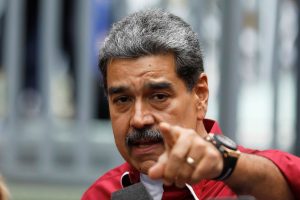
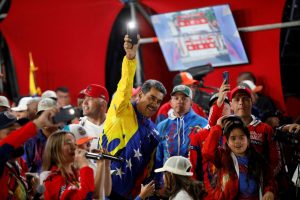
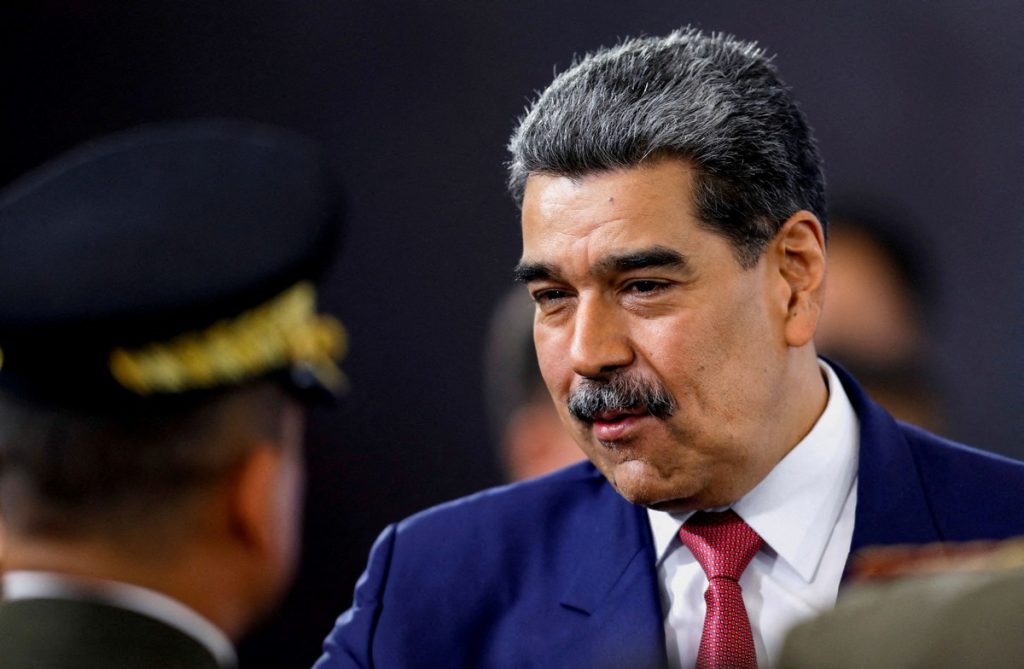
 The U.S. military is moving more weapons and units into the Caribbean that give President Trump powerful new options to escalate his pressure campaign on Venezuelan leader Nicolás Maduro and potentially bring him down.
After weeks of deadly boat strikes and the seizure of an oil tanker, the Pentagon is sending assets that could enable land strikes, disable Venezuela’s defenses and enforce an oil embargo—posing a direct threat not only to Maduro but to his regional allies such as Cuba.
F-35A stealth jet fighters, EA-18G Growler electronic warfare planes, HH-60W rescue helicopters and HC-130J rescue planes are being staged in Puerto Rico, according to photographs and flight tracking data. Tanker aircraft that can refuel bombers and jet fighters midair have been moved to the Dominican Republic in recent days. Such aircraft could play a key role in any potential attacks on land, analysts say.
The deployments add to the significant amount of combat power that the U.S. has already shifted to the region in recent months, including 11 warships, MQ-9 Reaper drones, F-35B jet fighters and P-8 Poseidon spy planes, among other weaponry. The arrival of the USS Gerald R. Ford last month brought dozens of aircraft into the region that could also be used in airstrikes. Some of the latest aircraft movements were reported by the War Zone.
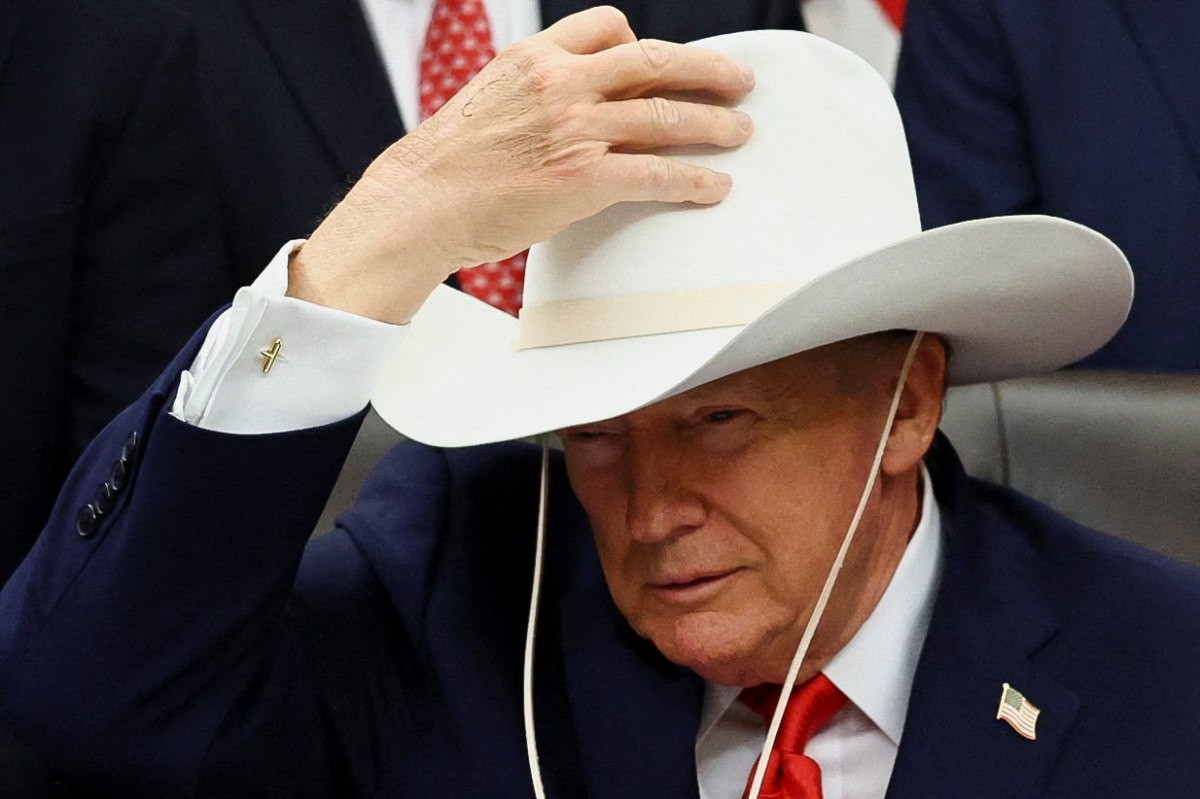
Trump has threatened to up the ante by attacking targets on land after months of bombing alleged drug-smuggling boats off the coast of Venezuela and beyond. The administration also seized an oil tanker full of Venezuelan crude earlier this week, opening a new front in the White House’s pressure campaign.
Trump has also said that he has authorized covert CIA operations in Venezuela.
“We’ve been watching the efforts to intimidate us,” Venezuelan Defense Minister Vladimir Padrino said in an address Friday, referring to American aircraft near Venezuelan territory. “We ask humbly, don’t be mistaken. We’re ready to defend this country. You’re not going to intimidate us.”
Military analysts say the recent movement of equipment further signals the administration’s intent to carry out combat operations. The buildup also means the U.S. has the resources in place to seize more oil tankers if Trump chooses to do so.
“I think what’s important about the forces and capabilities that are moving into the theater is that they are optimized to conduct precision, stealthy strikes that can minimize collateral damage,” said Heather Penney, a former fighter pilot and director of studies and research at the Mitchell Institute for Aerospace Studies, an aerospace think tank. “All of them together work in concert to open up the battlespace and conduct precision strikes with minimum risk to U.S. forces. And of course, you have a search-and-rescue team there just in case.”
Regional analysts and former government officials have warned that U.S. military action in Venezuela could spiral into a wider crisis across Latin America. Cuba, which suffers from a fragile economy and severe energy shortages, relies on Venezuela for oil. Any conflict could also quickly spill across the porous borders with Colombia, where armed groups rule much of the frontier.
“This could be devastating, not only for Venezuela, but also for the region,” said Francesca Emanuele, senior international policy associate at the Center for Economic and Policy Research in Washington. “These actions would almost certainly lead to a civil war or a prolonged, devastating conflict.”
The next step in the U.S. campaign against Maduro may not be actual combat but enforcing an oil embargo on Venezuela—either a physical one or a de facto one, if ships steer clear of the country, said Evanan Romero, a Houston-based energy consultant and former Venezuelan deputy oil minister.
The U.S. has sanctioned Venezuelan crude oil, giving the Trump administration a basis to more strictly enforce those measures. Only Chevron legally exports Venezuelan oil , but a vast fleet of tankers still carry it, using false flags and opaque ownership to shield their operations.
“You get rid of the oil, we’re talking about the final collapse,” said Romero, who is advising opposition leader María Corina Machado on an oil-sector recovery plan.
Inside Venezuela, port officials said local authorities had warned them that American strikes are likely. An official at Venezuela’s airport in Valencia said antiaircraft guns have been deployed near the runway and storage buildings. He said more than 80% of flights have been canceled over the past two weeks.
The port officials said ship traffic is nearly at a standstill. On Friday at least a dozen containerships and tankers reversed course as they were approaching to dock.
Trump hasn’t ruled out a land invasion, but military experts said even the large number of forces in the Caribbean falls far short of what would be needed to conquer a country as large as Venezuela. White House spokeswoman Karoline Leavitt said Thursday that “prolonged war is definitely not something this president is interested in.”
Targeted airstrikes on land targets are far more probable. Such an operation would likely begin with cyber operations and satellite jamming to disable the Venezuelan military’s ability to use its relatively sophisticated Russian air-defense systems. These efforts may already be under way to help prepare the battlefield, analysts said.
Southern Command, which oversees U.S. troops in the region, declined to comment on the movement of equipment. Analysts say it would make sense to station electronic warfare systems as close to the battlefield as possible. That equipment, which could be operated even closer to Venezuela by ship, could potentially jam satellite uplinks and downlinks to cut off Venezuela’s access to communications and navigation systems.
Following electronic warfare efforts, the U.S. could send in a first wave of stealth F-35 fighter aircraft to destroy Venezuela’s defenses, command and control facilities and electricity infrastructure, analysts say. Tanker aircraft, like those recently positioned in the Dominican Republic, would be needed to refuel the aircraft as they fly toward Venezuela and back. Tomahawk missiles fired from warships in the Caribbean could also be used in such an attack.
In following waves, the U.S. would likely send in “strike packages” of aircraft and other munitions to attack targets on land. Growler electronic warfare planes that can jam enemy defenses would play a key role, with other jet fighters and bomber aircraft flying alongside them depending on the mission.
A diplomatic track has been unfolding in parallel with the U.S. military pressure campaign. Last month, Trump held a phone call with Maduro in which they discussed general amnesty for him, his family and his senior aides, many of whom face U.S. sanctions or criminal indictments, people familiar with the matter said.
Trump warned Maduro that if he didn’t leave Venezuela willingly, the U.S. would consider other options including the use of force, according to people familiar with the discussion.
Write to Shelby Holliday at shelby.holliday@wsj.com and Costas Paris at costas.paris@wsj.com