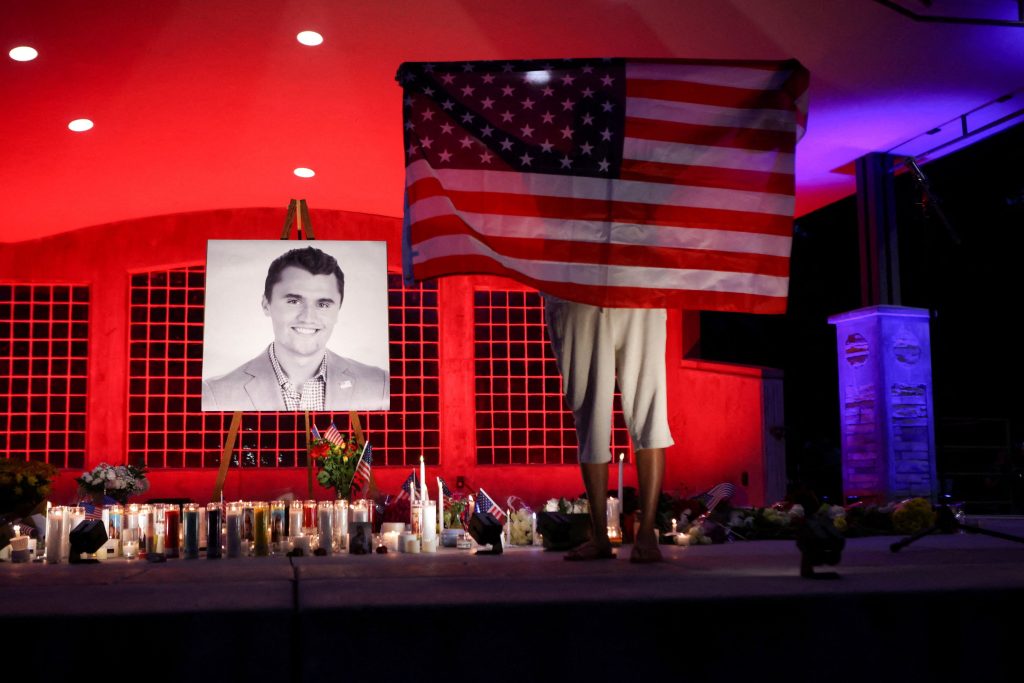
Until Charlie Kirk was killed there last month , Utah County, Utah, wasn’t on the national radar.
Unlike Salt Lake City about an hour north, the partly agricultural district is home to alfalfa farms, dairies and enough fruit orchards to earn the state second place in the country (behind Michigan) for tart cherry production. A nascent tech industry boosted the local economy and the population in recent years, but residents still describe it as tranquil and close-knit, the type of place people were born and stayed to raise families of their own.
Now, Utah County is grappling with a multimillion-dollar murder trial after it was thrust into the national spotlight as the scene of one of the most high-profile assassinations in recent history.
Officials say they have spent the past few weeks scrambling to come up with an estimated $5 million—equivalent to 3.3% of the county’s $150 million general operating fund—that the projected yearslong hearing will require.
“We are looking under the proverbial couch cushions,” said Amelia Powers Gardner, one of three elected county commissioners responsible for making local policy, overseeing operations and managing finances.
Trial costs include a defense team, speeding up four new hires at the county prosecutor’s office and hundreds of hours of police overtime. The county is responsible for keeping everyone involved in the case safe. That includes a SWAT team and two armored vehicles every time accused shooter Tyler Robinson is transported from the county jail to the courthouse.
“For two weeks I could hardly eat or sleep because I was so worried about where we were going to find these resources,” said Powers Gardner. “Neither the accused perpetrator nor the victim were residents of my county, so it’s crazy that we’re this stressed.”
Robinson is being held in the county jail without bail, with his next hearing set for Oct. 30. Utah County prosecutors have said they are seeking the death penalty.
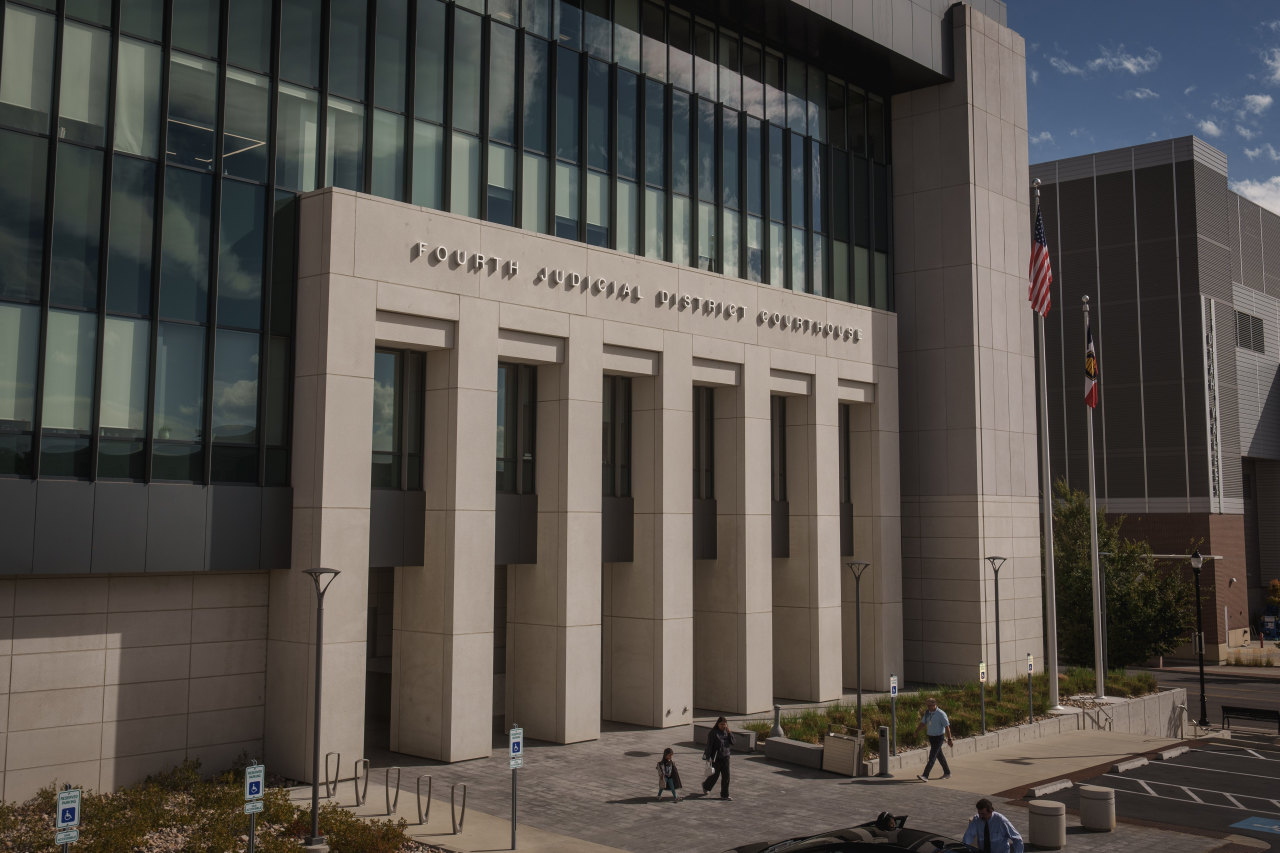
A 2013 trial of a doctor convicted of murdering his wife received some national attention. But it has been decades since the Fourth District Court in Provo, the county seat, has hosted a murder trial that captivated the country: the 1984 double homicide of Brenda Lafferty and her baby by her husband’s brothers, Ron and Dan Lafferty, who were driven by extreme religious beliefs. The murders were the basis for Jon Krakauer’s 2003 bestselling book “Under the Banner of Heaven,” and a 2022 miniseries starring Andrew Garfield.
The county is preparing for a modern-day media blitz. That meant finding a defense attorney willing to take the case and handle the attention.
“It was more challenging to pair this case and find a firm willing to take on the PR and the hoopla than a normal one,” said Skyler Beltran, another county commissioner.
They landed on a three person team, with two California-based attorneys backing up Salt Lake lawyer Kathryn Nester.
Powers Gardner said her Facebook page was flooded with constituents angry that their taxpayer dollars were funding what they saw as an over-the-top defense for Robinson.
For the county, however, the answer is simple: Robinson is constitutionally entitled to the best possible defense, especially when the death penalty is involved.
“It’s the best use of taxpayer dollars to ensure that he had good competent defense the first time so that we don’t have to go to retrials because of rookie mistakes,” said Powers Gardner.
Trials are sometimes moved if the court system can’t find an unbiased jury, or if it just isn’t equipped for the job. But Utah County officials said they have received no indication that the proceedings will be moved.
“This county’s judicial system does cases every day, but the only one that will be in the history books is this one,” said Laurie Levenson, a law professor at Loyola Law School. “So they want to do it right.”
Utah County Attorney Jeff Gray said that though the prosecutor’s office knows they will face additional scrutiny, the process they will follow is the same as any other case. “We’re definitely up to the task,” Gray said.
At the budget office, financial-services director Jeremy Walker said he and his team have been combing through funding allowances to see where money can be reallocated to hopefully avoid having to raise taxes—findings they will bring to this month’s 2026 budget meetings.
“We are an office of finance people, so we are not necessarily the most emotional folks,” Walker said. Yet the emotional toll has been real, and he’s encouraged his team to take advantage of the mental-health resources the county is providing.
These services, though, comprise an additional expense. The mental-health authority donated 196 hours of counseling to students and staff at Utah Valley University, where the assassination took place.
Richard Piatt took a job as Utah County’s first-ever communications manager last year, largely because he thought it would be more relaxed than his 30-year TV news career. It hasn’t turned out that way.
“I still have that sort of street TV news reporter philosophy where I’m used to being thrown into unworkable situations and making the best of it,” said Piatt. “But they’re not used to it around here.”
Write to Rachel Wolfe at rachel.wolfe@wsj.com
undefined