Twenty-dollar mocktails , $50 for a four-pack of spirit-free spritzes, nonalcoholic beer that costs more than the real thing: When did going dry get so expensive?
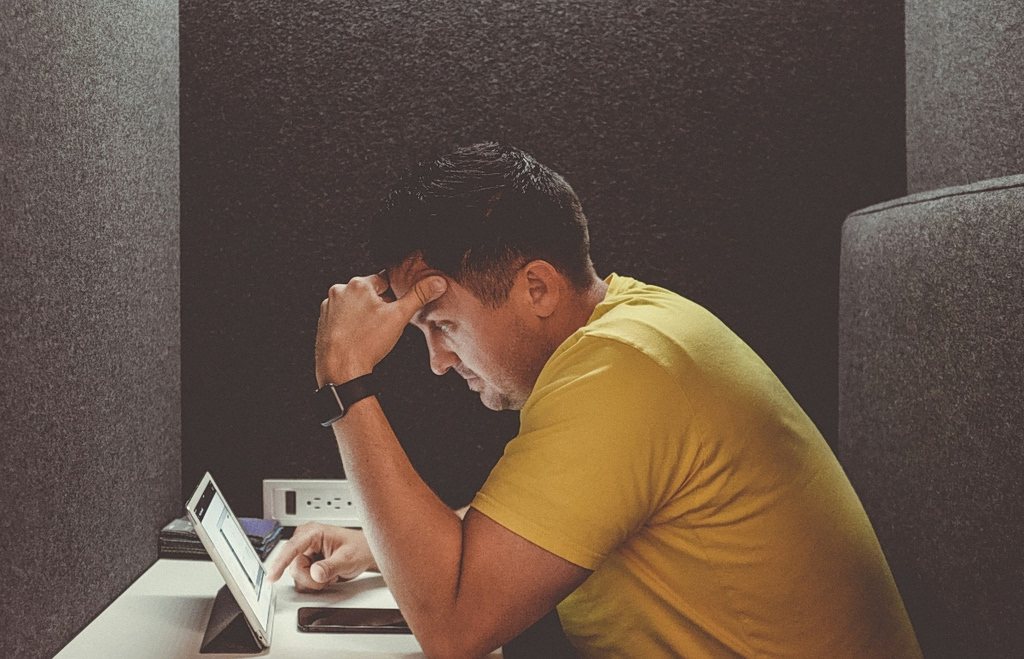
Kevin Tai, a 30-year-old restaurant account manager, assumed that Dry January would be a way to cool his spending after the holiday season. But nonalcoholic drink menus in New York City have been giving him sticker shock.
Instead of mocktails, he drinks nonalcoholic beer, because he says it’s cheaper and “the taste is a bit of a placebo.” Other times, “I’m drinking club sodas and downing like four, one after another.” He’s been saving money, but not as much as he anticipated. During a regular month, he estimates that he spends as much as $900 on alcohol, which includes buying rounds for friends and drinks for dates; this month, he thinks he’ll end up at about half of that for nonalcoholic beverages.
Dry January originated as a public-health campaign in England in 2013 and has become increasingly popular in the U.S. in the years since. The global consumer research firm NielsenIQ found that 4 in 10 bar and restaurant visitors said they’re very or somewhat likely to participate this year.
Emma Apple Chozick recently dined at the buzzy Italian restaurant Borgo in Manhattan, where a nonalcoholic cocktail with hibiscus, ginger, honey, lemon and soda is $15.
“You’re kind of like, am I drinking a juice? Is this so sugary?” said Chozick, 26, the founder of the creative consultancy Gr8 Collab.
Another night, on the way to a friend’s housewarming party, she picked up some Phony Negronis. The price, $6 a pop, felt kind of steep, she said; she ended up buying only two of the bottled mocktails because she wasn’t sure any other attendees would want to partake.
People on Reddit bemoaned spending more money on nonalcoholic drinks than they normally would on liquor. Some offered suggestions. “I’ve been having a lot of fun with tea,” one person responded. “Just drink water,” someone else suggested, to which the original poster replied, “I really don’t enjoy plain water.”
Dr. Antony Nakhla, 45, a dermatologist in Newport Beach, Calif., said that this month, he’s been sticking to water in all of its formats—plain, club soda, flavored sparkling—and nice teas. It’s saving him money when he goes out to eat. “A third of the bill is usually wine or alcohol,” said Nakhla, founder of the skin-care brand Eighth Day.
At Eleven Madison Park , one of New York City’s most famous fine-dining restaurants, and its sister bar, Clemente Bar, nonalcoholic cocktails cost $18. “We have to take the same approach in terms of care, intention and ingredient sourcing when we’re creating our nonalcoholic programs,” said beverage director Sebastian Tollius. His team, for example, created their own nonalcoholic chartreuse, which has over 25 ingredients, to use in mocktails. In addition to a traditional wine pairing, the restaurant also offers a nonalcoholic pairing for $135 that includes herbal teas, agave syrups infused with spices and herbs and de-alcoholized wines.
“Whatever your budget is, it’s good to do a little bit of planning in advance,” said Hilary Sheinbaum, 37, a journalist and author of “Going Dry: A Workbook.” Sheinbaum, who’s been doing Dry January for a decade, likened the month to any new hobby, for which people have to research and budget.
Last year, Tanner Alexander, a 29-year-old home builder in Charlotte, N.C., and his wife did Dry January for the first time. Out to dinner one night, they ordered nonalcoholic Aperol spritzes—which, at $12, turned out to be only a dollar less than the boozy version. “In my head, it should be at least a few dollars cheaper,” he said. The couple is doing Dry January again this year but sticking to water, Diet Coke and the occasional Topo Chico.
Eric Goldie, 35, a content creator who hosts the podcast “Take Me Off Speaker,” has been doing a Monday through Friday version of Dry January. “If you’re based in New York or where I go in Palm Beach, every day can feel like a weekend,” he said. One of Goldie’s go-to drinks is a Casamigos soda with a lime and orange muddled in, so he’s been ordering just the soda with muddled fruit. “There’s also a vanilla flavor that they can put in there,” he says. “It’s probably still $10 at a restaurant, which is kind of wild.”
At New York City’s first zero-proof liquor store , Spirited Away, nine out of 10 customers are alcohol drinkers, said Alex Highsmith, a nonalcoholic beverage retail consultant and former co-owner of the store. She and her co-owner recently sold their business to a longtime spirits executive. First-time visitors to Spirited Away are sometimes taken aback by the prices for canned aperitifs and nonalcoholic wine. “Once people see we’re highly curated, like any other fine wine or craft-beverage store, that realization is, ‘OK, I’m paying for quality control,’ because there are thousands of products now,” said Highsmith, 36. “Our prices range from inexpensive all the way to premium.”
For those trying to curb their spending, Highsmith recommended focusing on the part of the ritual of drinking that they most enjoy. “Is it cracking the ice cubes? Is it having really fine glassware, or doing that final taste with the straw?” she said. “Get really specific about what part of drinking you want to keep and build from there.”
Write to Lane Florsheim at lane.florsheim@wsj.com