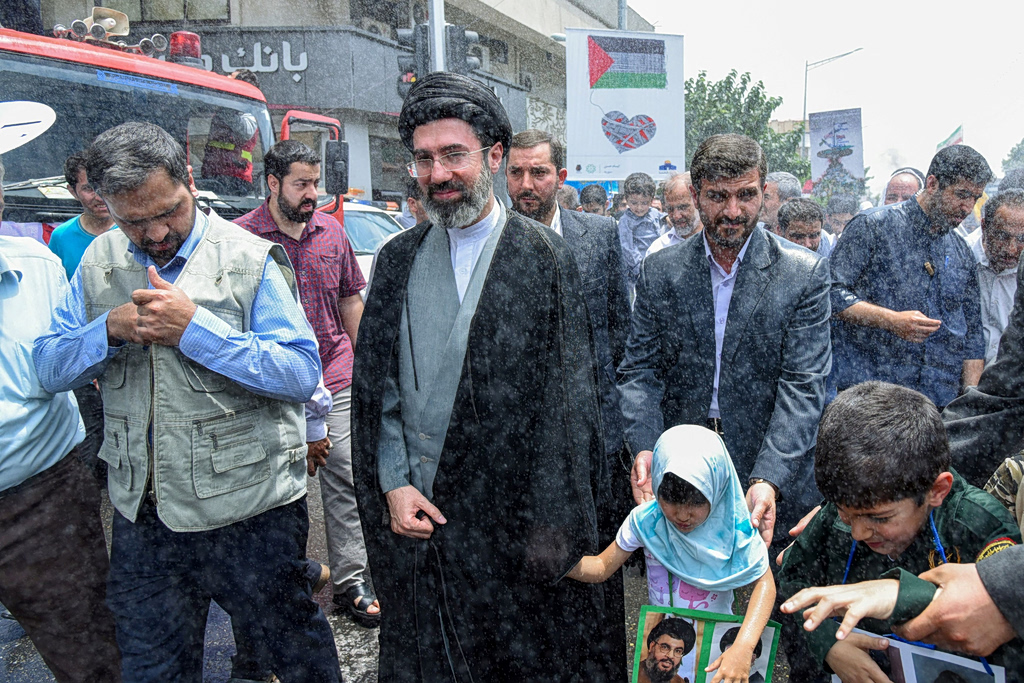
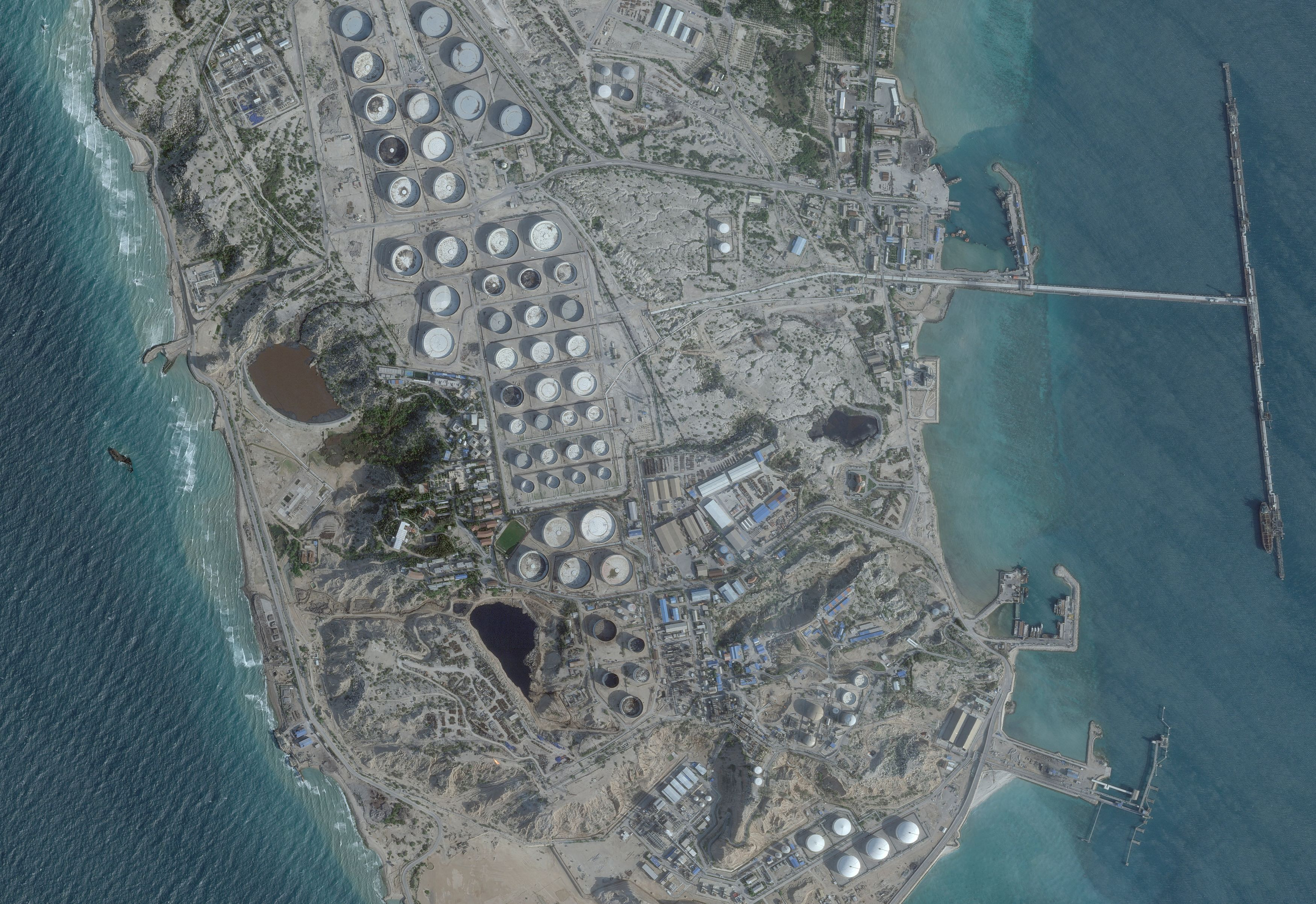
The U.S. military bombed Iran’s most strategic economic asset, Kharg Island, for the second time on April 7. The tiny spot of land in the northern Persian Gulf is the launch point for 90% of the country’s oil exports.
President Trump ordered the attack as his latest deadline approached for Iran to reopen the Strait of Hormuz. As was the case in a previous attack in March, the U.S. spared oil facilities in the bombardment, which went after military targets only. The U.S. military said in March it had hit more than 90 military targets , including mine and missile-storage sites, and shared video of a strike on a runway. The April 7 attack hit more than 50 targets .
Why did Trump order attacks on Kharg Island?
The depot is the beating heart of the Iranian oil industry, storing and loading most of its crude oil exports. Iran has continued loading from Kharg even as it impedes transit through the Strait of Hormuz for other exporters. Trump indicated that he is targeting Kharg to force the Iranians to loosen their grip on the strait.
What will the attacks on Kharg mean for oil prices?
Oil prices jumped in the wake of the April 7 attacks, rising more than 2% to above $115 a barrel for West Texas Intermediate crude.
If the island’s oil infrastructure is damaged in future attacks, that could force Iran to cut production at its oil fields, potentially taking another 1 million barrels of production away from global markets. This would be in addition to cuts implemented by Iraq, Kuwait and Bahrain.
Where is Kharg Island?
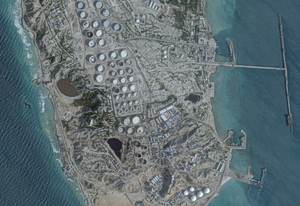
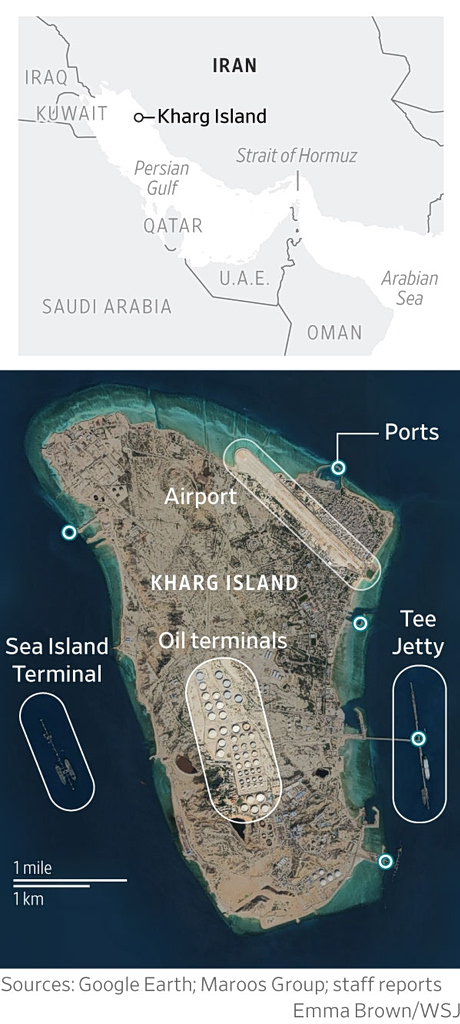
Kharg sits near the northern end of the Persian Gulf, about 20 miles off the coast of Iran. It is several hundred miles from the Strait of Hormuz, the other major geographical flashpoint in the war.
At about 8 square miles, Kharg Island is roughly a third of the size of Manhattan. It has an airport, oil terminals and ports. Oil is pumped to the island through subsea pipelines and stored in massive storage facilities before being loaded onto tankers.
How important is Kharg Island to Iran’s oil industry?
Iran exports half of its roughly 3.5 million barrels of crude oil production, and 90% of those exports come out of Kharg Island.
Kharg Island is the primary hub for pipelines transporting crude oil from Iran’s most significant production areas, such as Ahvaz, Marun and Gachsaran. In a few days leading up to the war, Iran accelerated exports from Kharg Island to near record levels, loading more than 2 million barrels daily.
Currently, about 18 million barrels of crude are stored on the island, equivalent to 10 to 12 days of Iran’s exports, according to Natasha Kaneva, an analyst at JPMorgan. The total storage capacity of the island is about 30 million barrels.
“If Kharg Island were disabled, the loss of its storage buffer and the scarcity of viable export alternatives would rapidly trigger upstream shut‑ins across major southwest fields,” according to Kaneva.
Does Iran have alternative ways to export its oil?
Iran has another oil terminal in Jask, which sits on the Gulf of Oman, outside the Strait of Hormuz. Opened in 2021 and lightly used before the conflict, Jask has become a key alternative to Kharg in recent weeks. But it has limited capacity—it is able to load around 1 million barrels a day, half of the capacity of the Kharg terminal.
Has Kharg Island been attacked before?
In 1984 and 1985, during the Iran-Iraq war, Iraqi bombers attacked Kharg Island and ships serving its ports to disrupt Iran’s main economic lifeline.
Who buys Iranian oil?
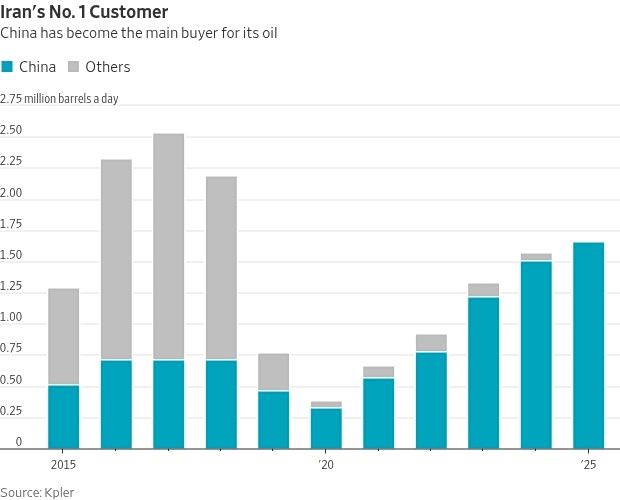
The short answer: China. Iran sells its crude mainly to small Chinese refiners known as “teapots.” These private refiners don’t have much international exposure and therefore largely ignore U.S. sanctions. Iran accounted for roughly 13% of China’s seaborne oil intake before the war.