 Μake us preferred on Google
 Europe’s coastal landscape could look dramatically different before the next century is over. The European Environment Agency (EEA) warns that sea levels are climbing faster than ever — by 3.7 millimeters a year between 2006 and 2018, more than double the rate of the 20th century. If emissions stay high, the seas could rise by up to a meter by 2100. In the worst-case scenario, the rapid melting of polar ice could push that to five meters by 2150, according to Euronews.
Mediterranean Gems Under Threat
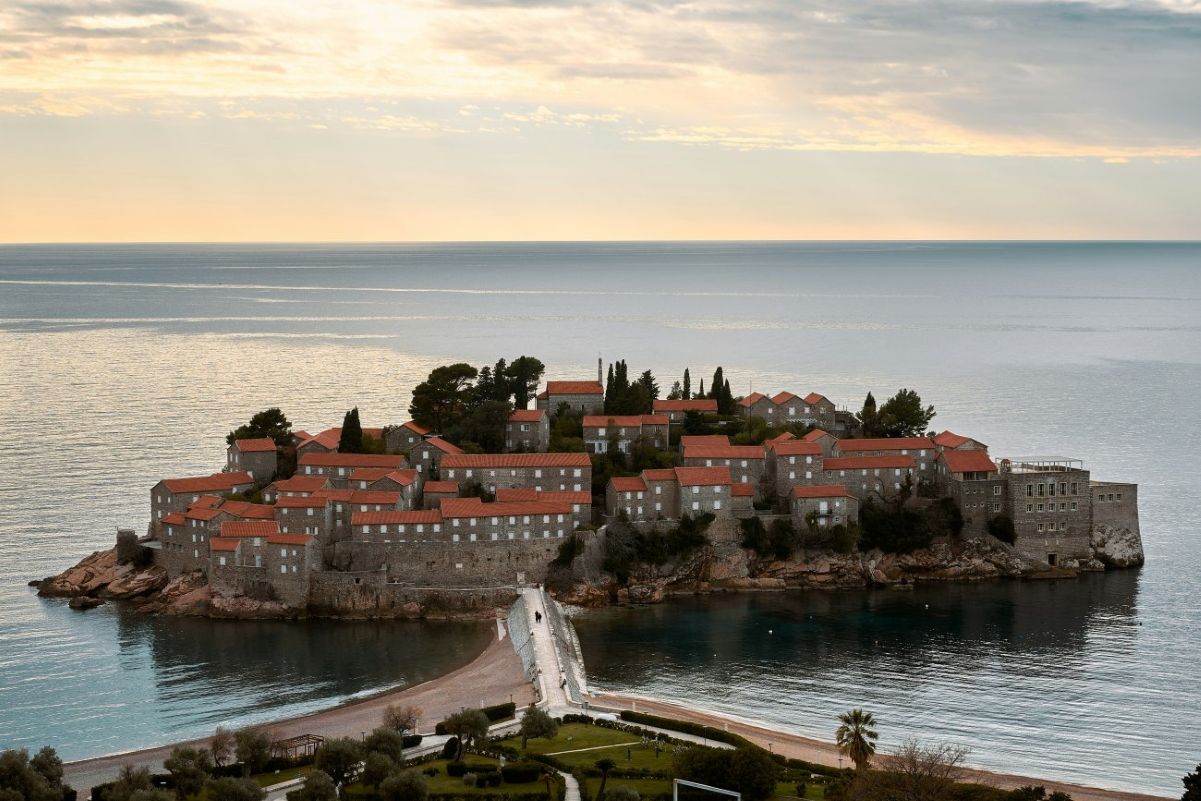
At the top of the risk list is Sveti Stefan in Montenegro — the postcard-perfect islet resort linked to the mainland by a narrow causeway. Experts estimate the coastline could retreat more than 200 meters by century’s end.
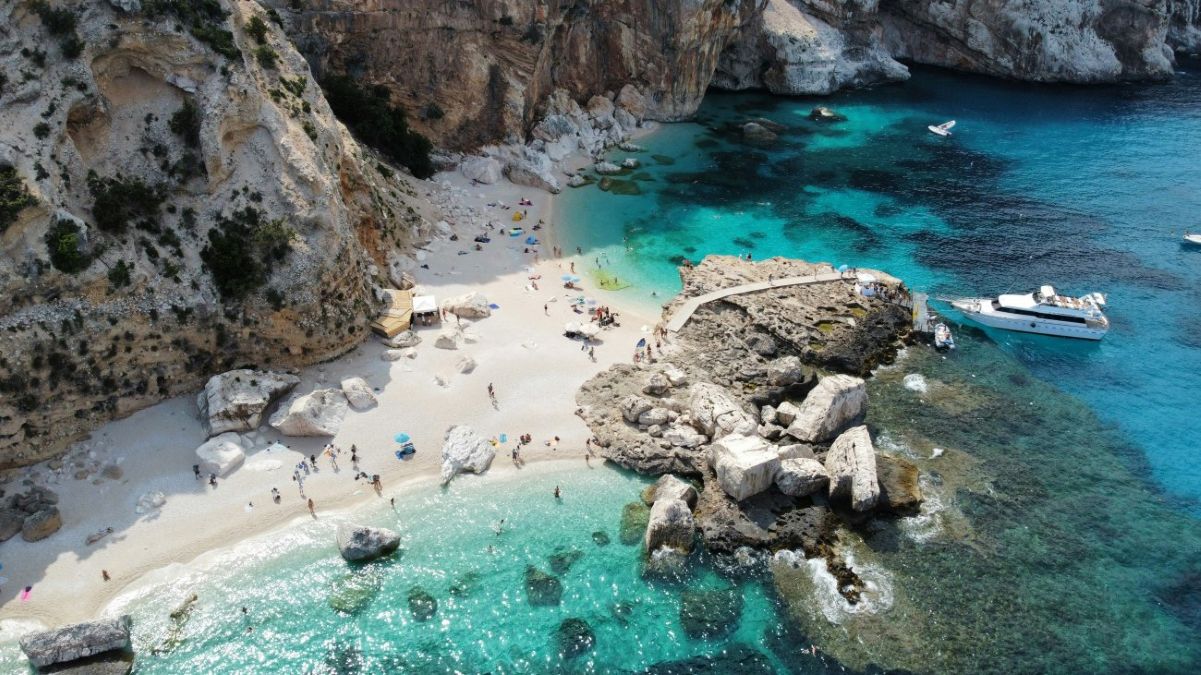
In Sardinia, the tropical-looking Porto Giunco may lose 107 meters of its pristine shoreline, while Portugal’s Praia de Benagil, famed for its sea caves, faces up to 70 meters of erosion — worsened by mass tourism.
Northern Beauties in Peril
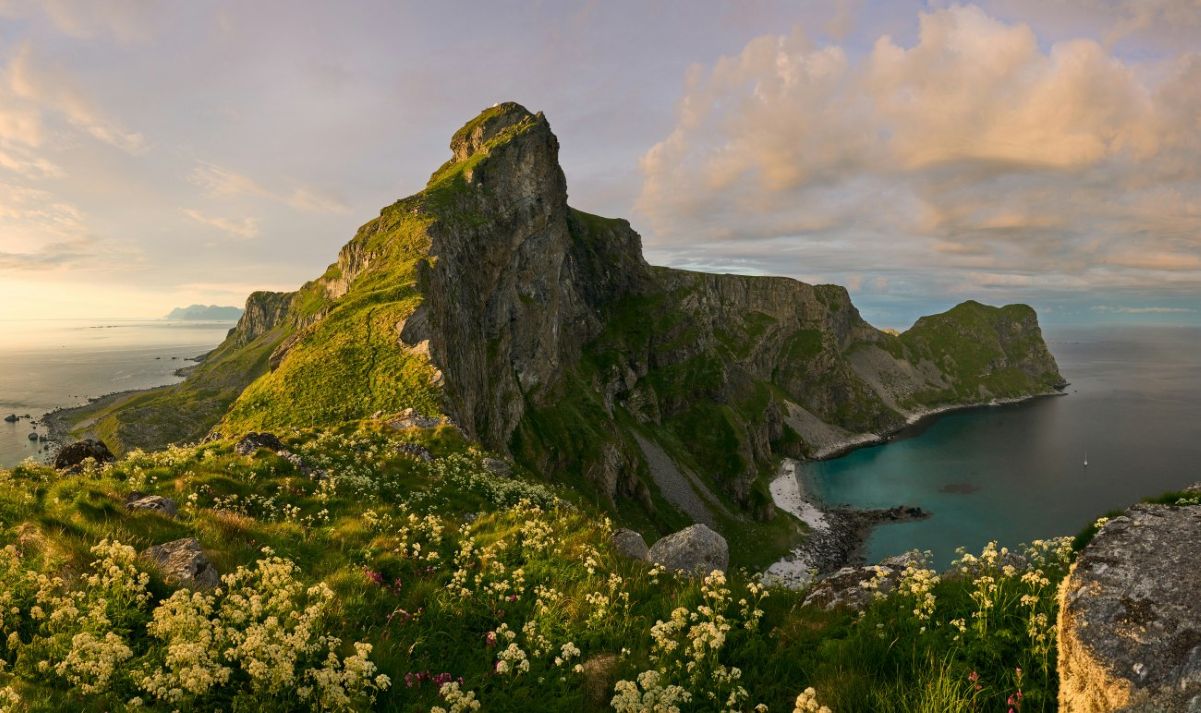
Further north, Norway’s Værøy Island, a hiker’s paradise dotted with ancient shelters, could lose 58 meters of land.
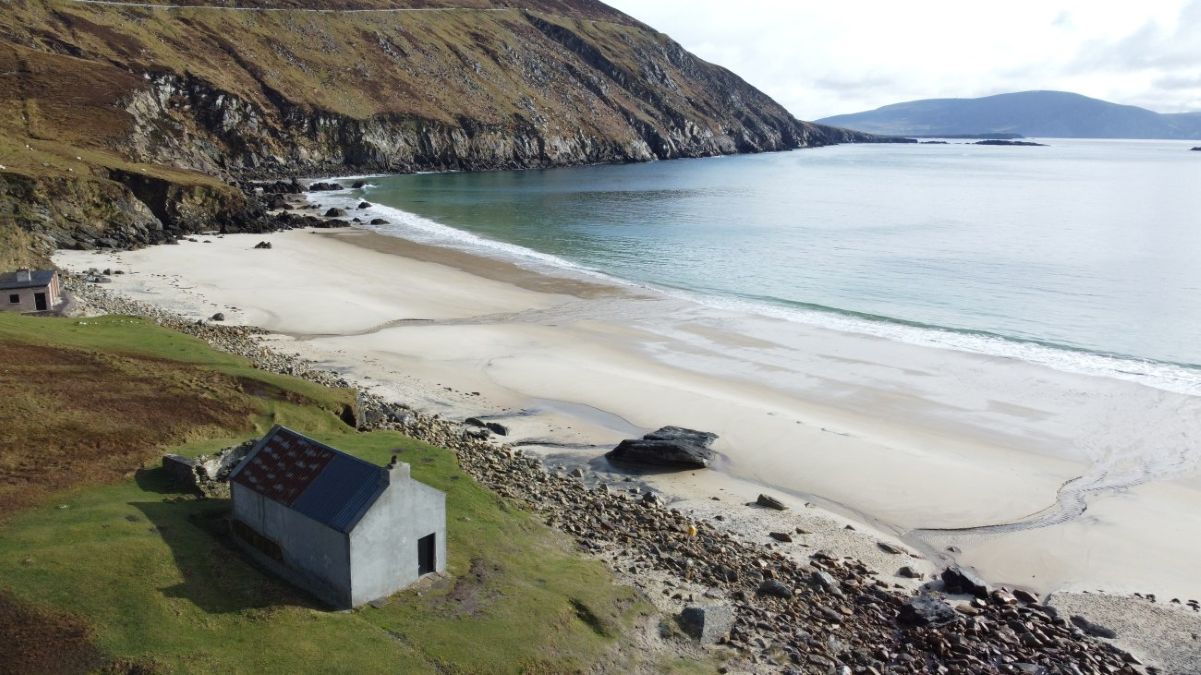
Ireland’s Keem Bay on Achill Island — featured in The Banshees of Inisherin — may retreat by 40 meters, endangering not only the beach but also coastal towns like Cork and Dublin.
Erosion from Iceland to the Riviera
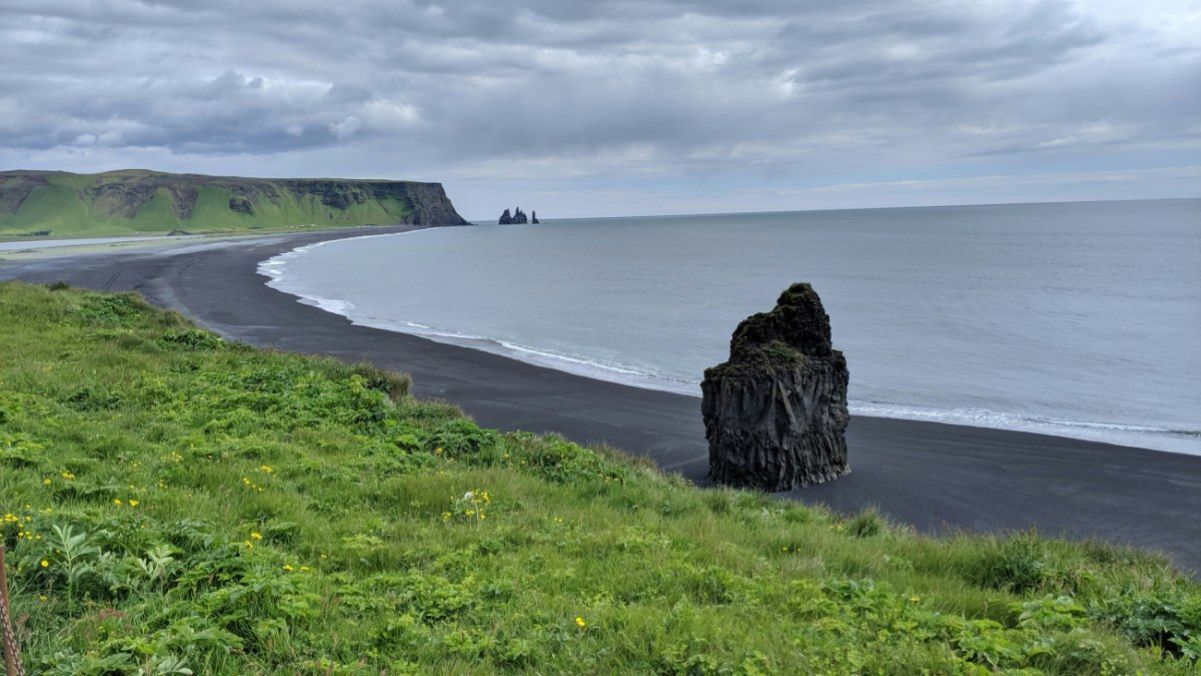
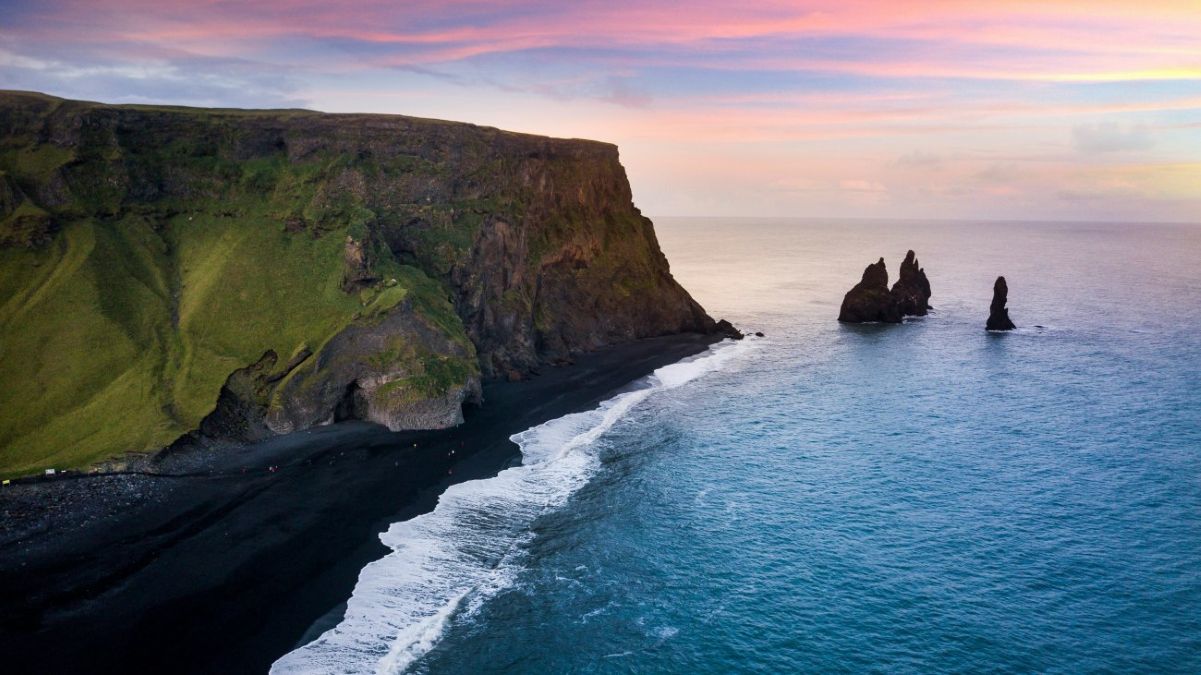
Iceland’s dramatic Reynisfjara beach, already infamous for its deadly 40-meter waves, could shrink by another 35 meters.
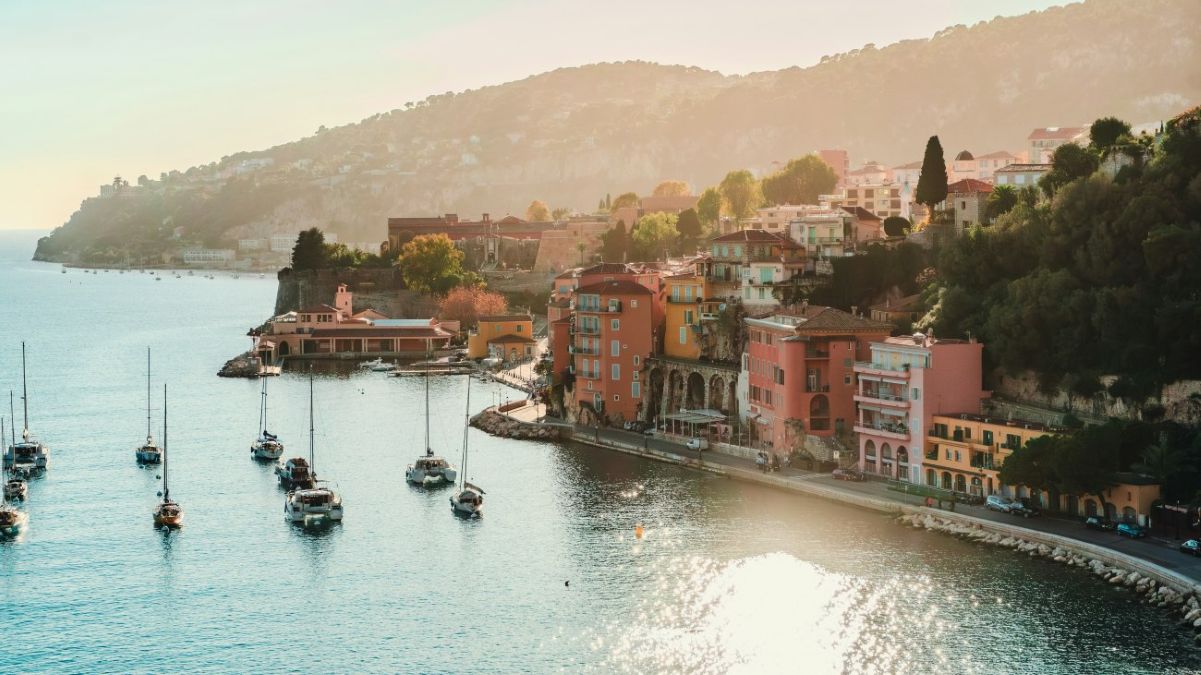
On France’s Cote d’Azur, warning signs for tsunamis now line the Plage des Marinieres, near Nice, where up to 35 meters of sand may vanish.
The Disappearing Icons
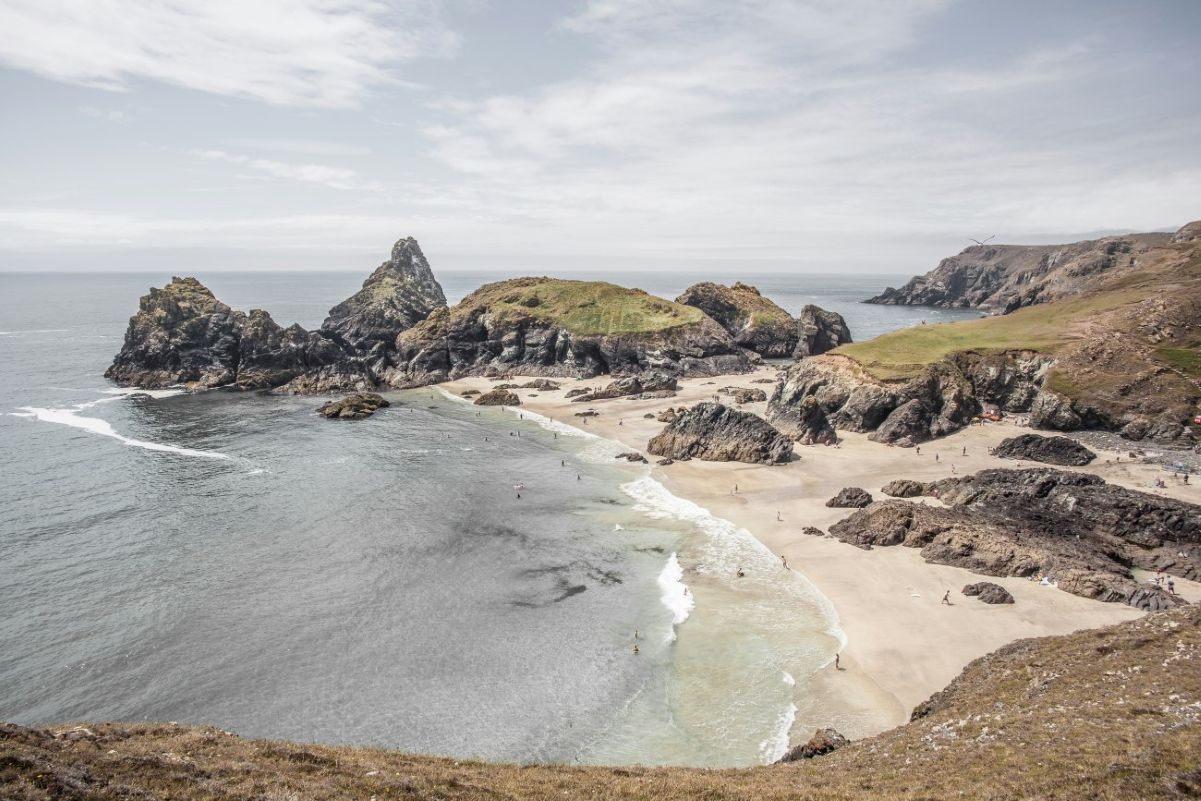
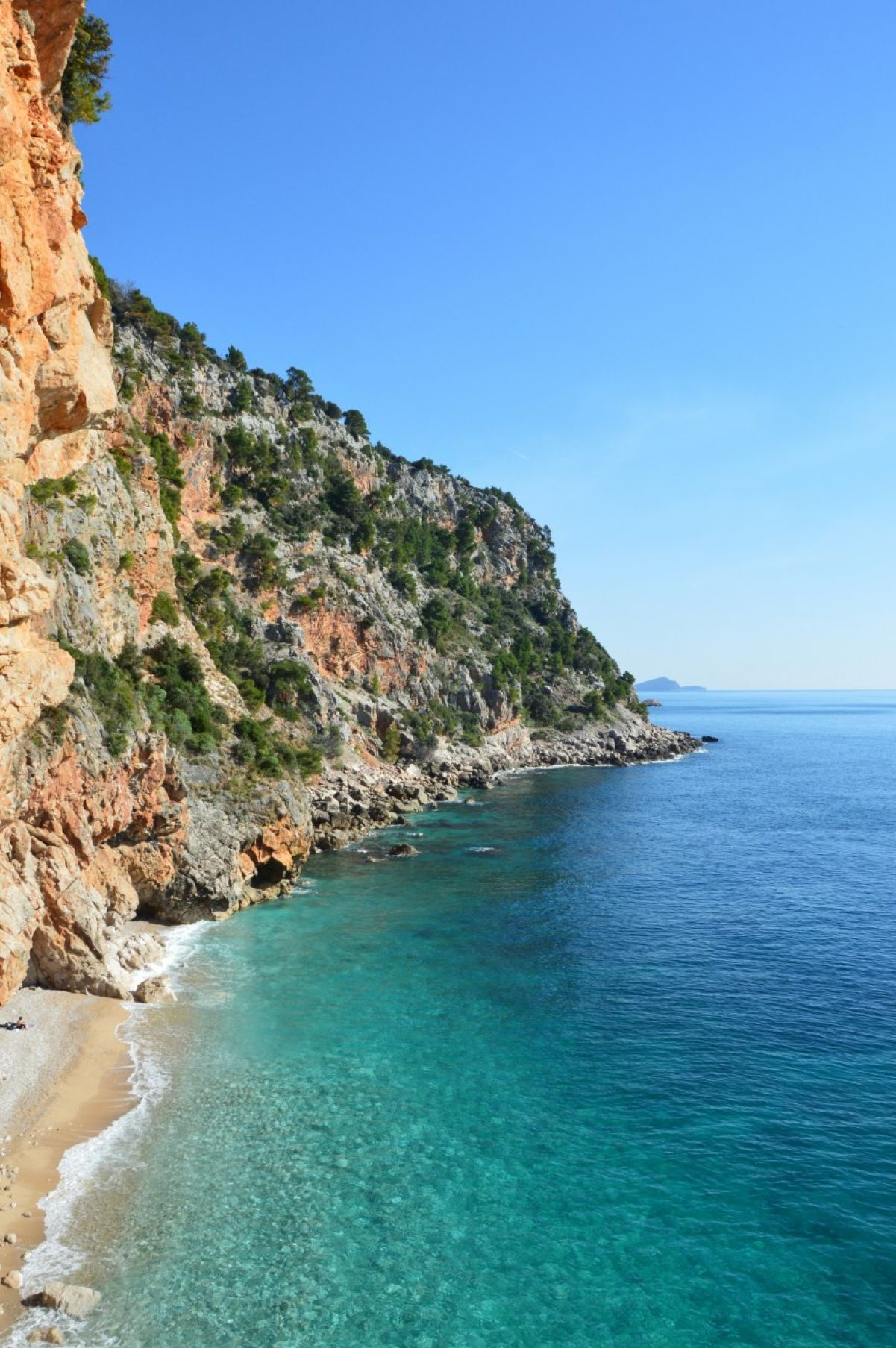
From Croatia’s narrow Pasjaca Beach near Dubrovnik — which could disappear entirely — to Cornwall’s Kynance Cove and France’s luxurious “Billionaires’ Bay”, Europe’s coastal jewels are slipping away.
Unless emissions fall drastically, tomorrow’s tourists may find these legendary beaches only in photographs.