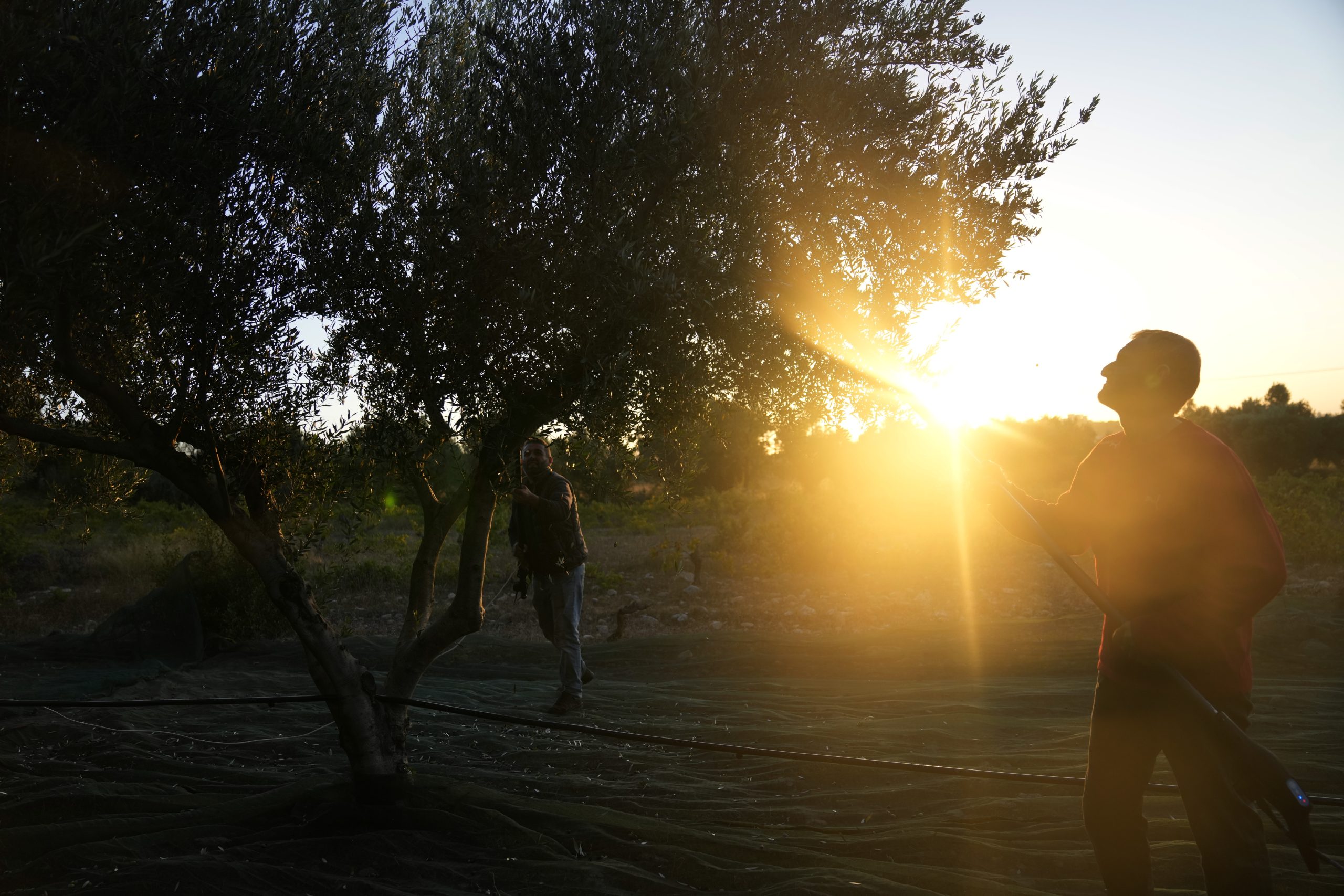
The familiar views of fields strewn with olive trees, some old and some young, all lined up neatly in rows is a quintessential part of the Greek experience. Soon though, this much cherished tree along with orange and peach trees will also carry a different type of value. Each branch and leaf drawing carbon from the air, could be valued not just because of the produce they provide us with but as currency: a credit in a new marketplace where the economy intersects with the climate, and the much-coveted green transition becomes intertwined with traditional agriculture via carbon credits.
The Greek government is betting on this shift, as it tries to turn the quiet work of orchards into tradable assets, part of a voluntary carbon market where industries pay for the right to pollute, and farmers earn for the carbon their fields quietly store.
Under the plan, farmers who grow tree crops such as olives, peaches, and oranges will be able to earn tradable carbon credits. Each credit will represent a ton of carbon dioxide absorbed by their orchards. These credits can then be sold to companies seeking to offset their emissions.
The Ministry of Environment and Energy has already launched a tender for the design of the Greek Voluntary Carbon Market System, with bids due by November 3. The project will be completed within a year of signing the contract, laying the foundation for what officials describe as a type of “stock exchange” for carbon credits tied to tree farming.
Early projections suggest the market could bring farmers between €200 and €300 million in just the first three years. Over time, more crops such as almond, apple, lemon, pear, cherry, kiwi, chestnut and walnut trees are expected to be included, creating a broader source of income for agricultural communities. A key part of the plan is a digital registry platform, which will record certified carbon credits and make them available to both buyers and farmers.
While a similar carbon market has been discussed for Greece’s forests, potentially generating half a billion euros in its first three years, that initiative remains on hold. The immediate focus is on tree farming, where the potential benefits for rural incomes are more direct.
Globally, the stakes are high. According to consultancy Oliver Wyman, the agricultural, forestry, and land-use carbon credit market could expand from $2.7 billion in 2023 to as much as $100 billion annually between 2030 and 2035, if barriers to growth are overcome.
For Greece, the project reflects both an environmental ambition and an economic opportunity: giving farmers a stake in carbon markets while offering polluting industries a way to balance their climate accounts. It also reflects a hope: that agriculture itself might be rewritten, no longer only about feeding people but about balancing our environment.