Farmers in Konya province are facing a new environmental threat as hundreds of sinkholes emerge across fields producing maize, wheat, and sugar beet. In some areas, more than ten sinkholes appear in a single field, while ancient sinkholes in mountainous regions have dried up entirely.
@accuweather
Nearly 700 sinkholes have appeared in parts of Turkey, with new ones showing up, fueled by extreme drought.
♬ original sound – AccuWeather
Geology professor Fetullah Arik from Konya Technical University told Reuters that the number of sinkholes in the Konya basin is approaching 700, noting that their formation has accelerated dramatically in recent years.
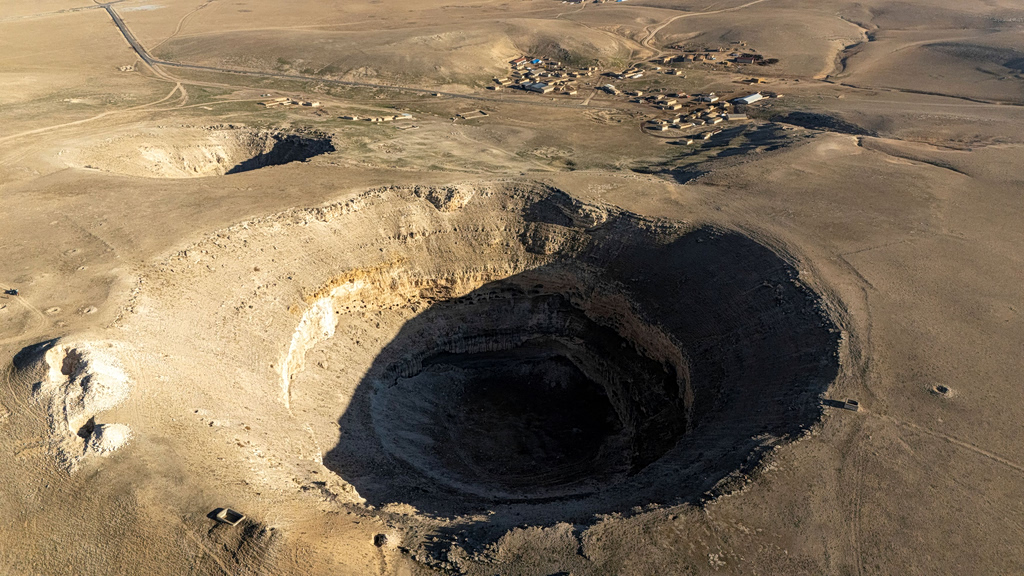
A drone view shows a sinkhole formed in the middle of a field in Konya province, Turkey, December 18, 2025. REUTERS/Umit Bektas
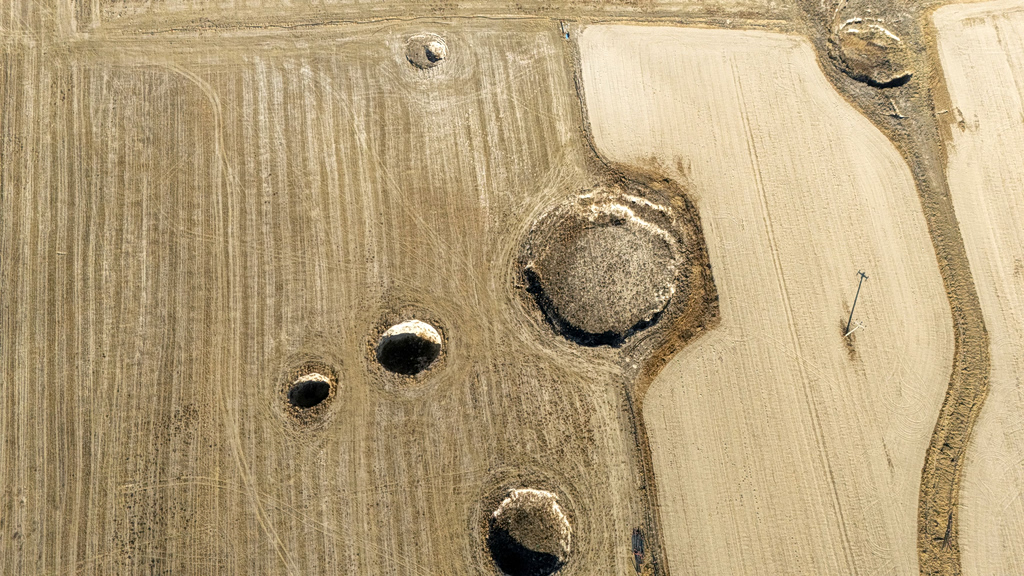
A drone view shows sinkholes formed in the middle of a farmland in Konya province, Turkey, December 19, 2025. REUTERS/Umit Bektas
“The main reason for the increase in numbers is climate change and drought, which have affected the whole world since the 2000s,” Arik said. “As a result of this drought, the groundwater level is dropping slightly every year.”
Groundwater Levels Plummet
Arik highlighted that groundwater levels are now falling by 4 to 5 metres per year, compared with just half a metre annually in the early 2000s. The decline has prompted farmers to dig additional wells, many of which are unlicensed, further depleting the region’s water supply.
“There is also an extremely high demand for water in this basin,” he said, noting that the Konya basin contains roughly 120,000 unlicensed wells compared to around 40,000 licensed ones.
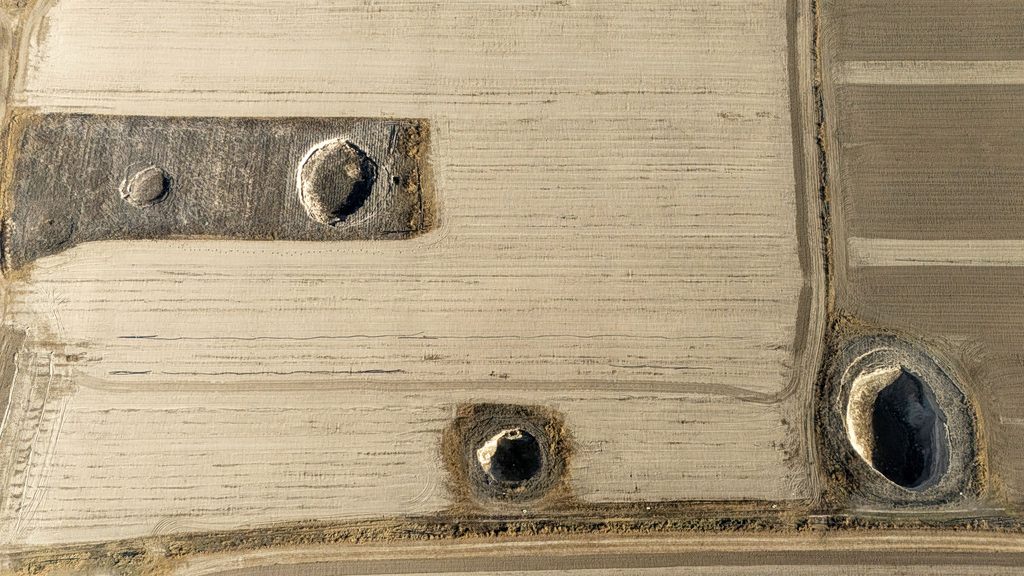
A drone view shows sinkholes formed in the middle of a farmland in Konya province, Turkey, December 19, 2025. REUTERS/Umit Bektas

A drone view shows sinkholes formed in the middle of a farmland in Konya province, Turkey, December 18, 2025. REUTERS/Umit Bektas TPX IMAGES OF THE DAY
Farmers Face Rising Risks
While no casualties have been reported so far, the sudden formation of sinkholes poses serious risks to lives and property. Farmer Mustafa Sik shared his experience of two sinkholes opening on his farmland over the past two years. During the second sinkhole formation in August 2024, his brother was working nearby when the ground gave way with an “extremely loud, terrifying rumbling sound.”
Geologists surveying Sik’s land identified two more potential sinkhole sites, though predicting exactly when they might form is impossible.
“Are we worried? Of course, we are very worried,” Sik said, reflecting the broader anxiety among farmers across the region.
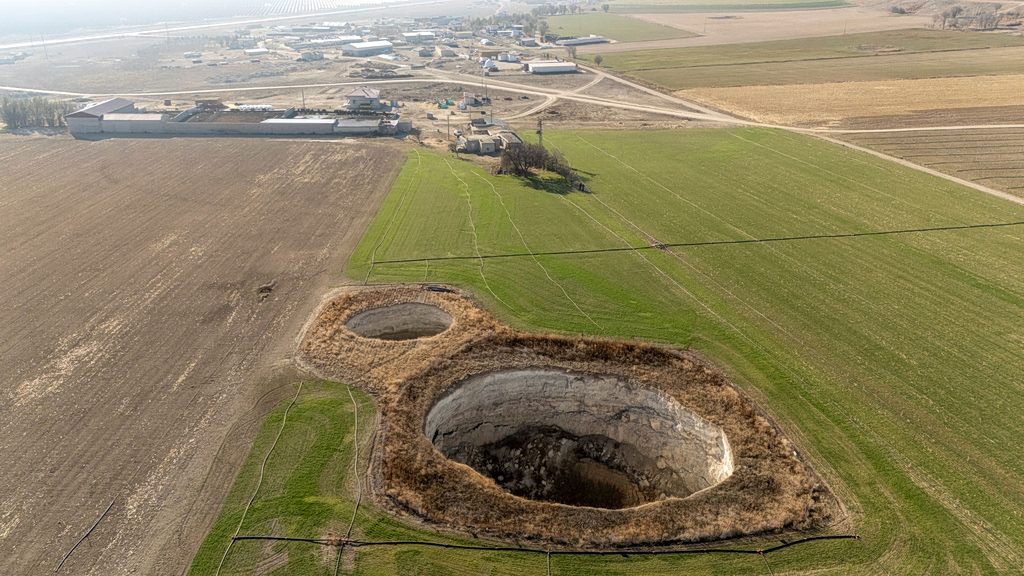
A drone view shows sinkholes formed in the middle of a farmland in Konya province, Turkey, December 18, 2025. REUTERS/Umit Bektas
Climate Change and Agriculture
Experts warn that the sinkhole crisis is a direct consequence of prolonged drought and unsustainable water use, underlining the vulnerability of Turkey’s major agricultural sector.