
 Μake us preferred on Google
 Greece ushers in the Lenten season with vibrant traditions that date back centuries, blending faith with folk customs and distinctive cuisine. Known as Lent or the Great Forty Days, the solemn period begins on Clean Monday (23rd February) and culminates on Easter Sunday (April 5th) across the country every spring.
Established in the 4th century A.D., Lent originally lasted six weeks before expanding to seven. It is a movable observance in the Christian calendar but always includes the month of March. During this time, Christians observe a prolonged fast in preparation for Easter, abstaining from meat and animal products.

Kite-flying on Clean Monday
The official start of Lent falls on Clean Monday, a day marked by outdoor gatherings and the symbolic flying of kites. The custom traces back to China as early as the 2nd century B.C., where people flew colorful kites believing their wishes and souls would draw closer to the divine.
The tradition reached Europe during the Age of Discovery in the 15th century. In Greece, kite flying has taken on distinct Christian symbolism. For many, it represents spiritual elevation and a renewed connection with God. Others see it as a simple symbolic release — letting sins and burdens “fly away” at the beginning of the fasting period.
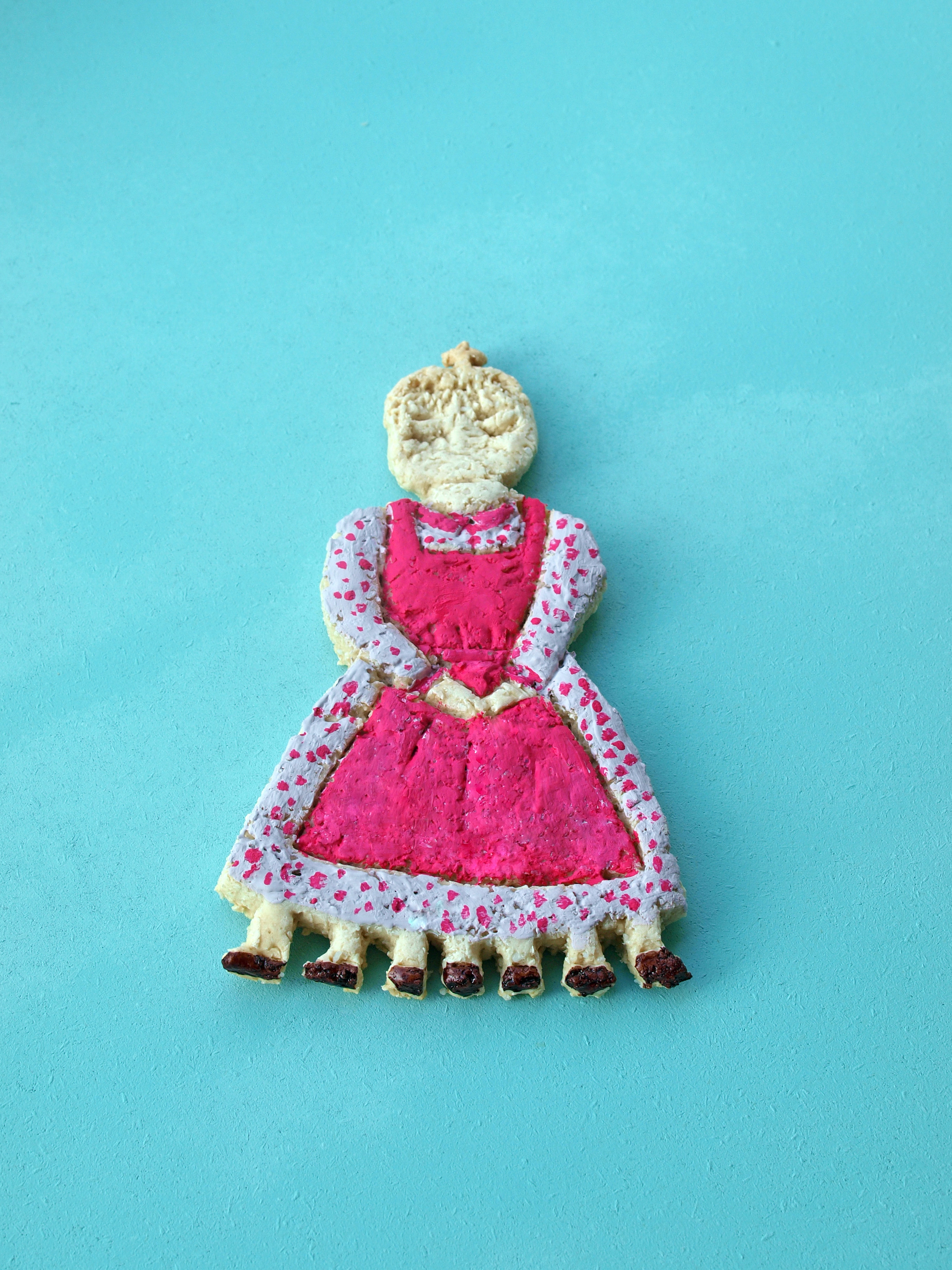
The seven-legged lady
Another enduring tradition is “Kyra Sarakosti,” a handmade folk figure that once functioned as a simple Lenten calendar. The figure depicts a woman with seven legs — one for each week of Lent — and a cross on her head. Her hands are folded in prayer, and she has no mouth, symbolizing fasting and self-restraint.
Families would remove one leg at the end of each week to count down to Easter, reinforcing both the passage of time and the spiritual focus of the season.

The flavors of Greek Lent
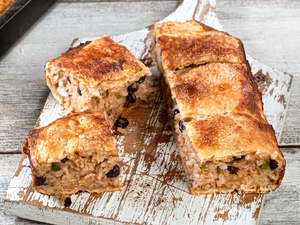
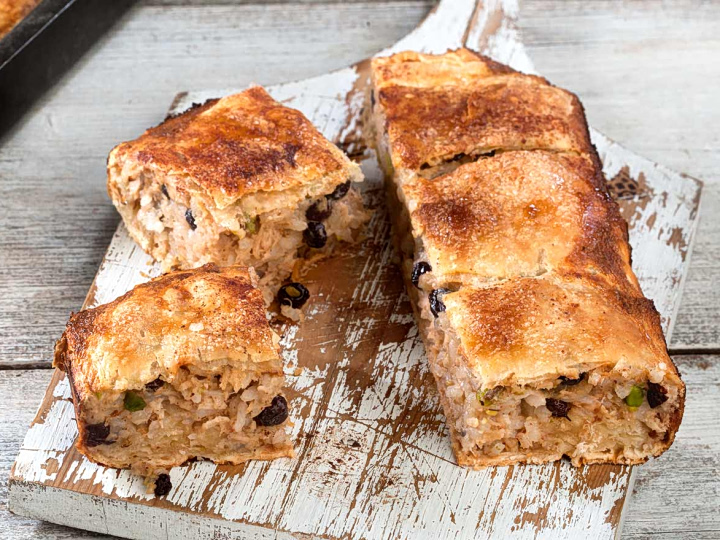
Greek culinary tradition ensures that the table remains rich and satisfying, despite Lenten restrictions. Over generations, cooks developed inventive recipes built around legumes, vegetables, and seafood.
Beans of all kinds, chickpeas prepared in multiple ways — including chickpea fritters and oven-baked chickpeas — as well as lentils and lentil-rice dishes form staples of the Lenten diet. Shellfish and seafood also feature prominently, such as shrimp, octopus with short-cut pasta, and cuttlefish stew.
Through its customs and cuisine, Lent in Greece remains a living tradition — one that continues to bond local communities each spring. As our own way of celebrating, TO BHMA International Edition will be posting one Lenten recipe every day until Clean Monday.