 Μake us preferred on Google
 The 1970s and the early to mid-1980s were, by most accounts, the golden age of the vinyl record.
Beyond the concert halls and radio airwaves, young people bonded over a shared love of music, by embracing vinyl as a type of ritual — sliding a disc from its sleeve, often gently wiping the surface with a soft cloth, reading the lyrics on the liner notes provided, placing the disc on the record player and finally softly dropping the needle.
In the US, where Columbia Records introduced the long-playing (LP) vinyl record in 1948, sales skyrocketed, ultimately peaking at $2.8 billion in 1978 (equivalent to around $14 billion in 2026 adjusted for inflation). Nevertheless, the late 1980s and 1990s saw a rapid shift to CDs, which overtook vinyl thanks to their portability and ease of use.
Vinyl then went from the home-music listening medium, to being pushed to the underground, carving out more of a “cult” following. Yet in recent years, that picture has changed.
According to the Recording Industry Association of America’s (RIAA) 2025 Year-End Recorded Music Revenue Report, released on March 17, 2026, US vinyl sales passed $1 billion for the first time since 1983, the format’s 19th consecutive year of growth, with 46.8 million records sold against 29.5 million CDs.
In an era of on-demand music streaming, best exemplified through the convenience of Spotify with its library of more than 100 million songs, many people are beginning to feel that listening to music is analogous to becoming lost in an ocean of choice, while the subscription model has stripped away the sense of ownership.
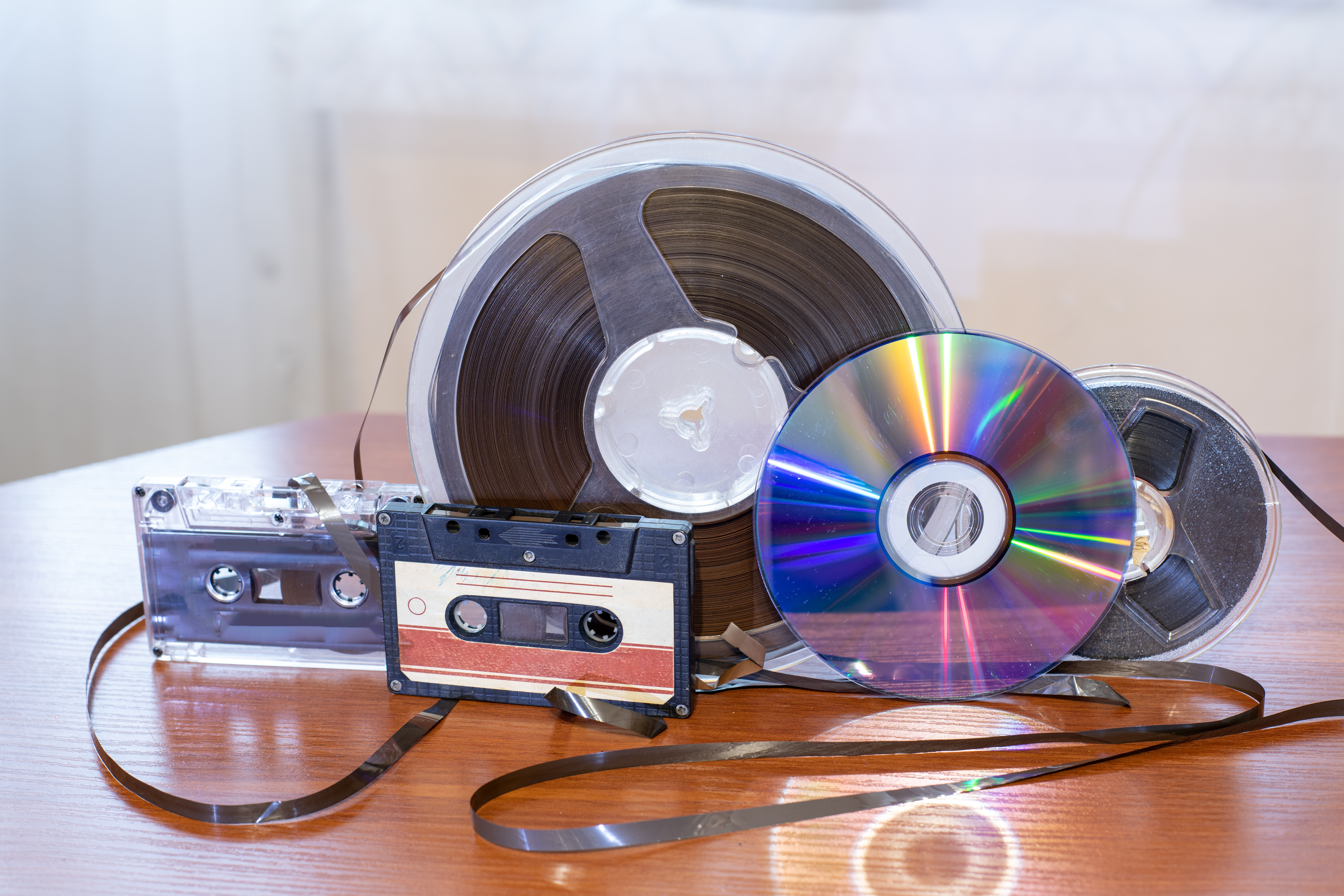
The analog experience offers a certain nostalgia for former, simpler times. Source: Taras Nesmykh Photography via Shutterstock
Vinyl, with its tactile ceremony, the need for attentiveness, as well as the enjoyment that many find in actively hunting down, exploring and sampling music, has a different, more romantic appeal in an era of fast digital consumption. Many audiophiles also prefer the warm sound of vinyl, and some even enjoy the faint crackle of a needle in the groove.
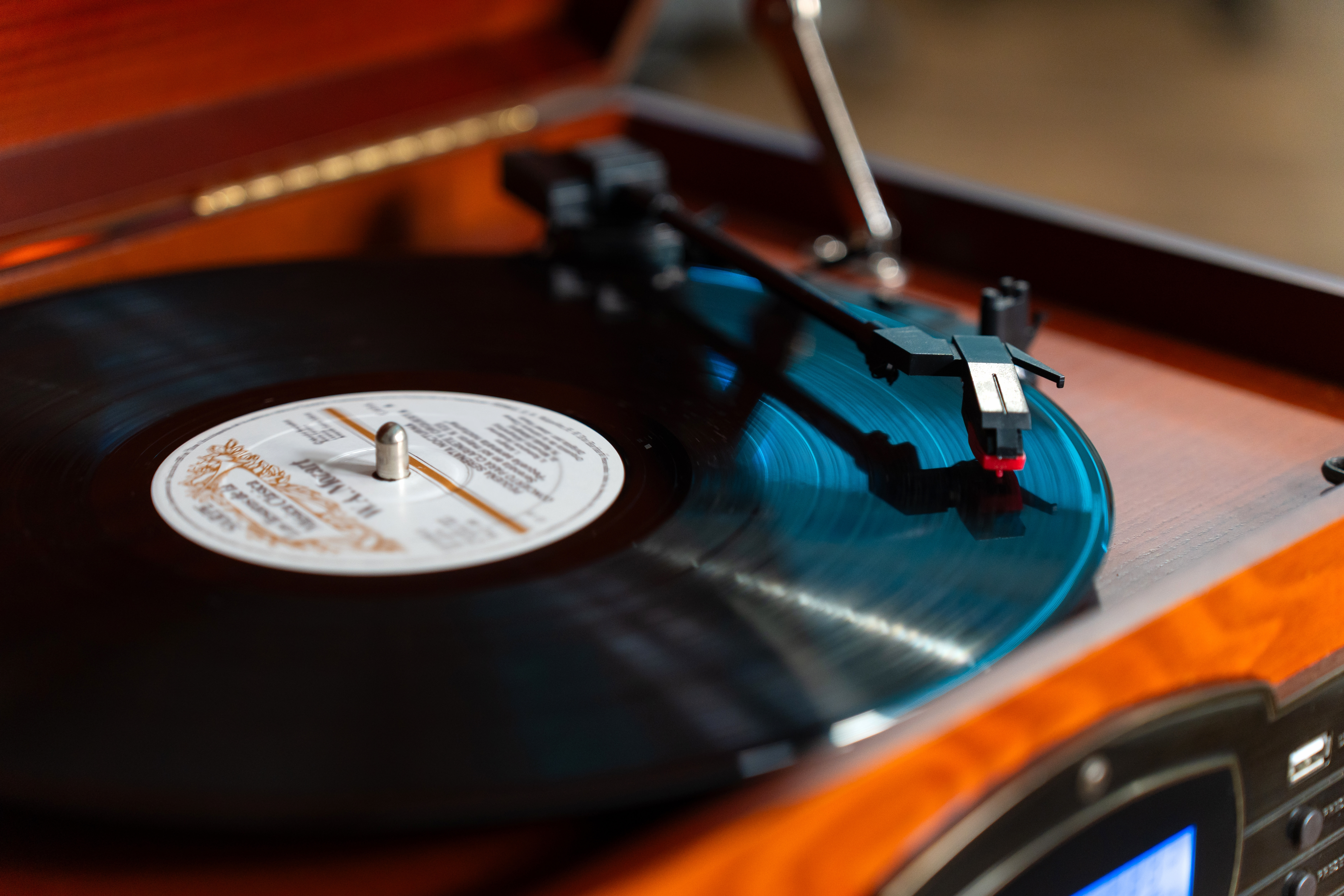
Turntable stylus playing a black vinyl record on a vintage style wooden stereo system, evoking nostalgia for classic music. Source: Alfonso Soler via Shutterstock
To get a deeper sense of the culture around the vinyl record listening experience, particularly in Greece, To Vima International Edition talked to Stelios Eleftheriou, one of the two organizers of the Vinyl Market, a cultural event hosted yearly in the New Retorts building in Technopolis Gazi since 2015. At a time when vinyl is experiencing a resurgence in popularity, this vinyl connoisseur and entrepreneur is passionately on board to help bring that trend back into the mainstream.
Why do you think vinyl is making a comeback at a time when most, if not all, music is available for free on your phone?
Yes, that’s a very good observation. First of all, vinyl is a way of listening to music but it’s not only that. When someone hears the music they love, the band they love, through the sound that comes out of a turntable and a record, the sound quality has nothing whatsoever to do with a CD, a USB stick playing on a computer, or an app on a phone.
That unique experience makes listeners love this way of listening, the sound that comes out of vinyl. That’s why it keeps spreading. Not because it’s a lifestyle. It’s a way of listening to sound. The analog way.
Could you say it’s something like a ritual, so to speak?
Yes, yes, exactly. There’s the ritual of opening the record sleeve, looking at the artwork, which was curated by the band itself or by people who specialize in that, taking the record out, cleaning it, putting it on the turntable, placing the needle in the right spot. It is a ritual. But once that ritual is done and the speaker starts playing what the vinyl produces, that’s when the mind truly can’t grasp how clean and good the analog sound is.
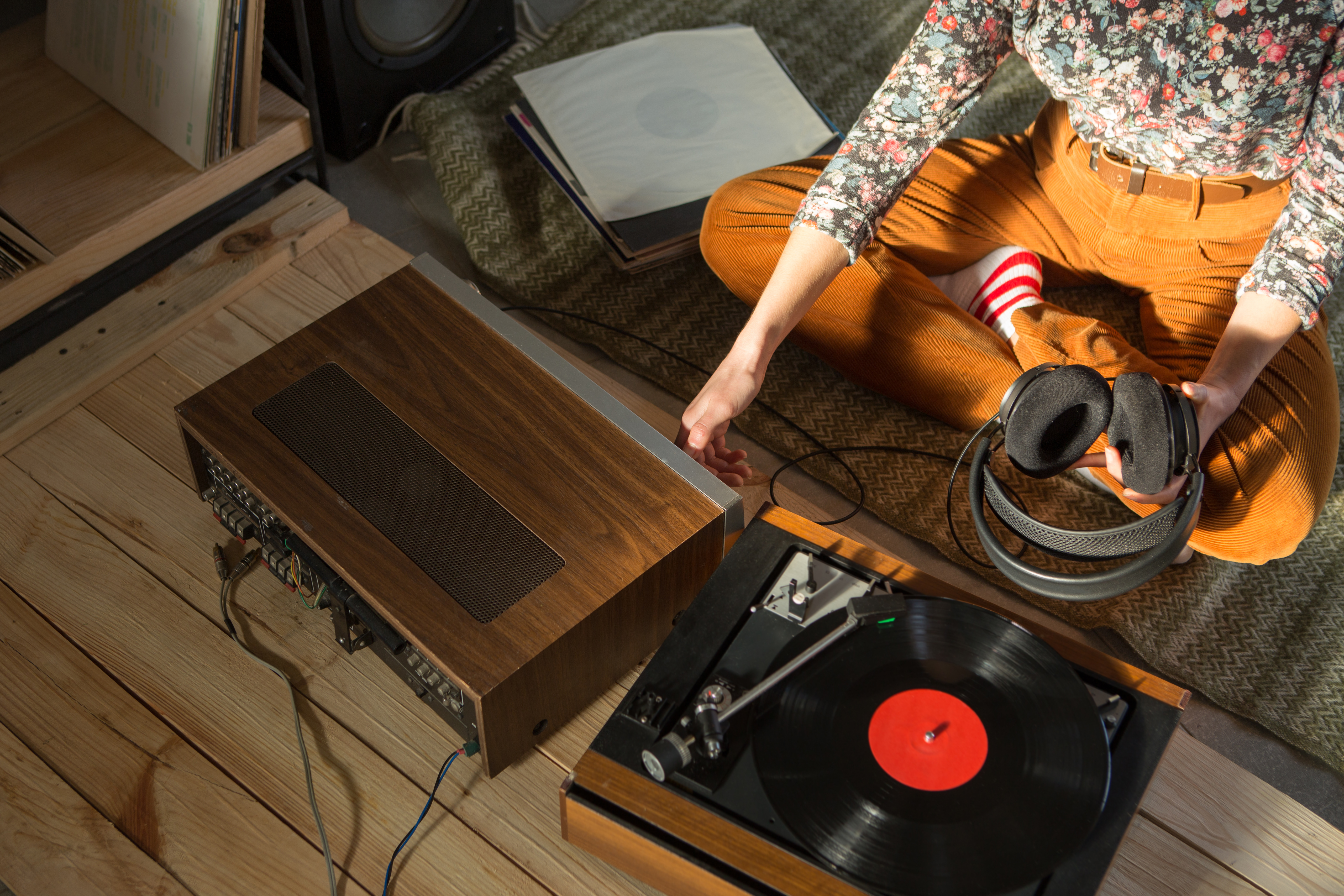
A young woman listening a music on a HiFi system with turntable, amplifier, headphones and lp vinyl records in a listening room. Source: Sensay via Shutterstock
How would you describe the profile of the average vinyl collector today?
The average collector today with a fairly substantial collection is certainly someone in the second half of their life, someone over 40. It’s someone who is so passionate about the musicians they love, whether it’s rock, jazz, or classical music, that they can’t listen to it any other way.
Someone who [has experienced vinyl and] listens to the incredible voice of Maria Callas can’t listen to her on Spotify. You understand, it’s impossible. They have to hear her this way.
Our experience has shown that this profile is now expanding and getting younger, with lots and lots of young women in particular aged 20–25, 30, coming to vinyl, whereas in the past it was more middle-aged and more male-dominated. I’d say the profile of the vinyl collector has changed in this direction over the last five years.
We’ve been around since 2015 as the Vinyl Market, keeping vinyl alive, and over the last five years, and a little before COVID too, young women started coming to collect records. We often notice another phenomenon, one that’s quite interesting and worth mentioning: they start buying records before they even have a turntable, and once they’re ready, they buy the turntable to listen to them.
In other words, they build the collection first and get the turntable afterwards, or at least at the same time.
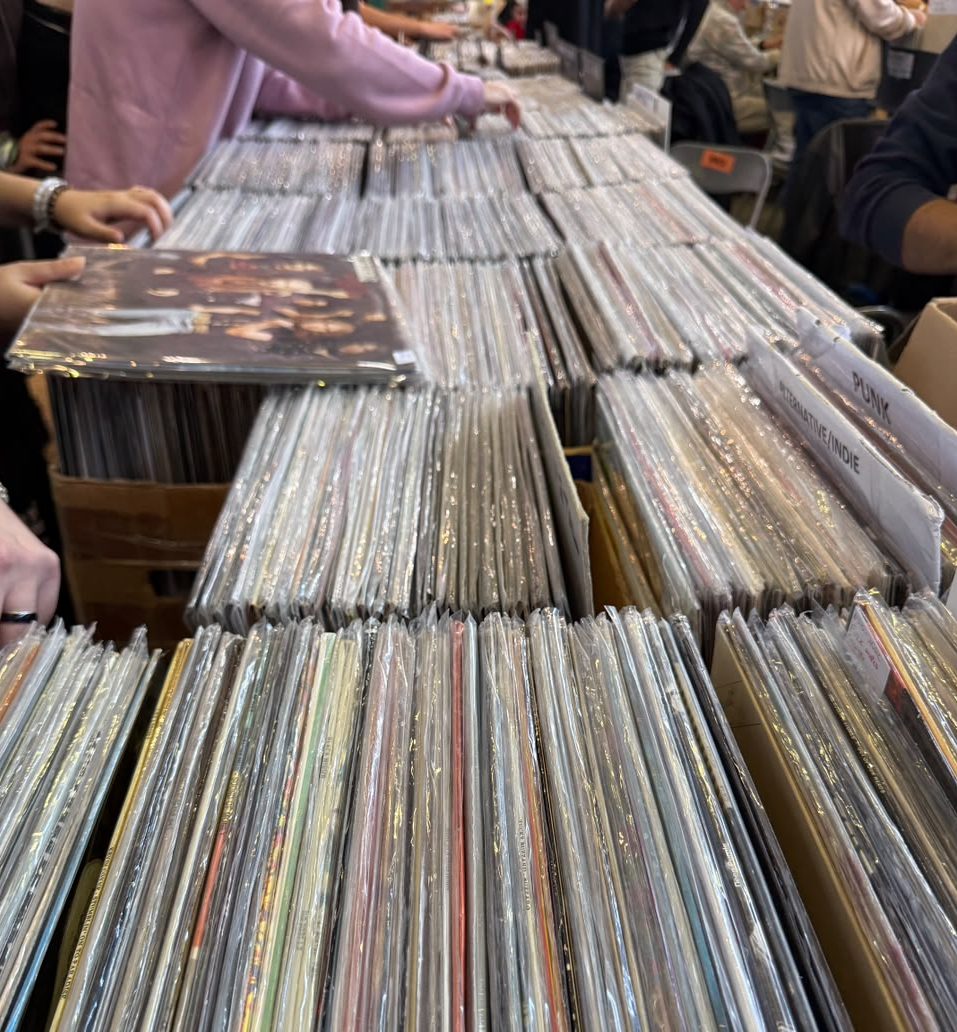
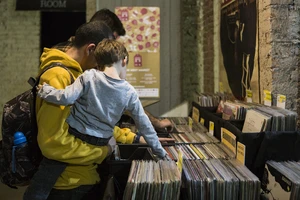
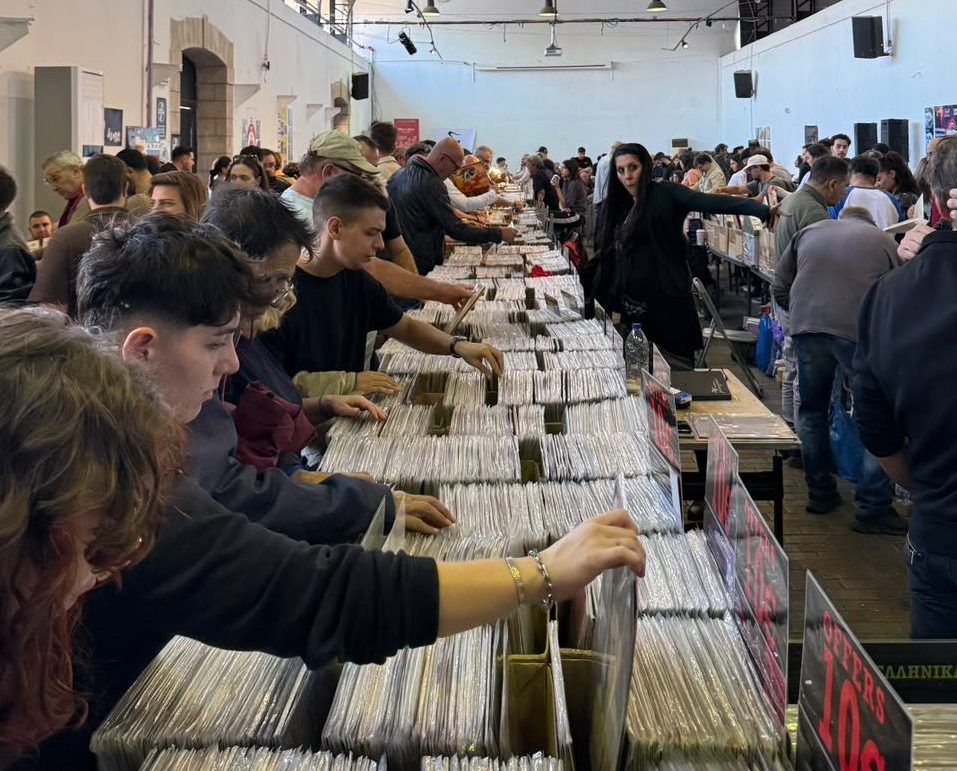
A series of tightly-packed vinyl records on display at the Vinyl Market, as people browse and look for hidden treasures. Photo by: Angelos Gassenschmidt
Is it mainly younger people who do this?
Yes, many younger people start by buying records first, discovering the bands they like, the music genre they like. Every genre is there, from light popular Greek music to heavy metal. The whole range of music imaginable. So, after buying a few records at first, the collector, realizing that they have the record but nothing to play them on, inevitably get the playback machine, what’s called a pick-up in Greek.
What advice would you give to someone who wants to get into this and start a collection?
What I’d suggest is that, if they can, they find someone close to them, among their friends or family, who is a collector and has the whole setup for reproducing this unique analog sound, the amplifier, the turntable and so on, and try it out and listen.
Go one evening to a friend, a partner, a relative, a cousin, even a grandfather, a young grandfather who might have a new grandchild, and hear that song they love, the sound they hear through their laptop, played from a turntable spinning a record. If they start listening and, since every person is different and we all have different personalities, they begin to like it, that’s a start toward building their own collection and their own engagement with vinyl. Their own personal vinyl library, so to speak, the way you’d have a good book collection.
Could you say that music this way becomes a proper hobby, instead of just passive listening?
The vinyl listener doesn’t listen passively. They listen very demandingly. Even if there’s a problem with the playback equipment or with the record itself, a scratch as we call it, they notice it. That’s part of the ritual you asked me about earlier. They notice it, and so they become an active listener of the music they love, and they start to love the music they’ve chosen even more. It’s certainly an artistic hobby, let’s say, or an artistic form of listening.
Is there anything else you’d like to add?
I’d like to add that the Vinyl Market has been at Technopolis City of Athens since 2015, with more than 80 exhibitors from all over Greece, so a visitor can see all the vinyl currently available in Greece in a single visit, and most important of all, with no entrance fee.
Instead of going to 10, 20, 30 different places to find what they want, a visitor comes to one place, one hall, at Technopolis, one of the hot spots of Athens, and sees whatever interests them, without any cost.
On a final note, I sincerely hope people come to love vinyl, records, turntables, and that sound in general even more, because it truly is an active way of engaging with music.
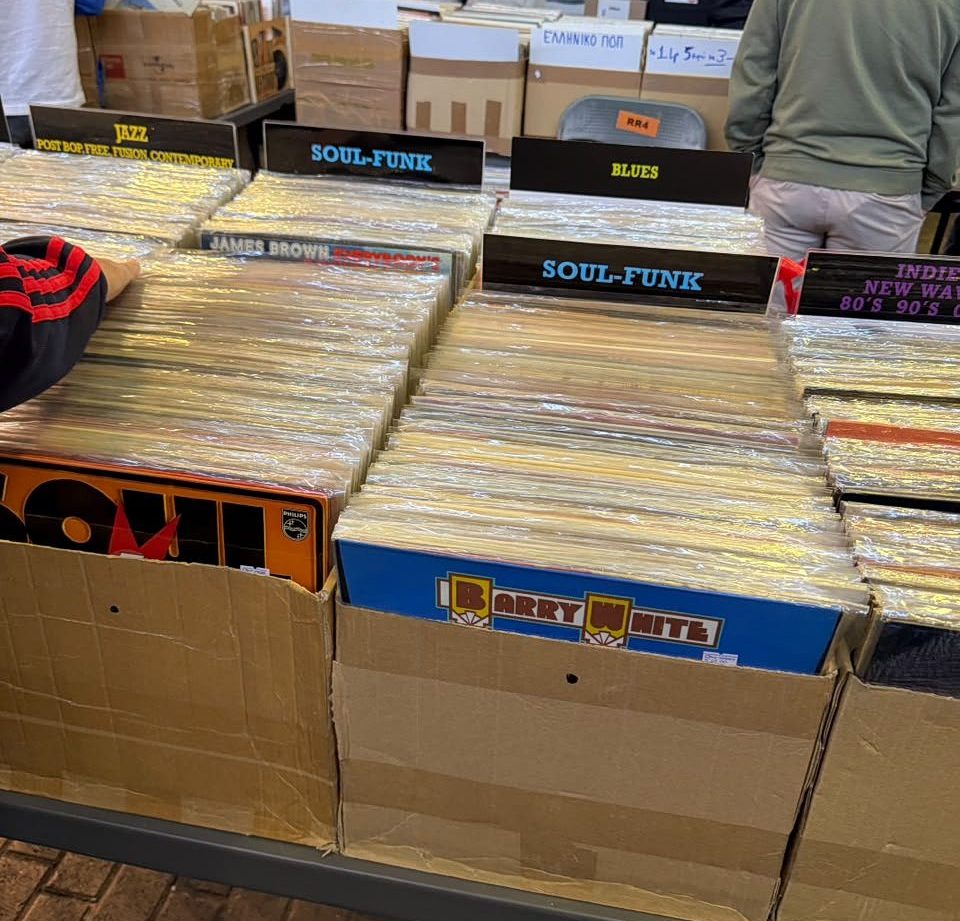
Cardboard boxes with records from different genres. Photo by: Angelos Gassenschmidt
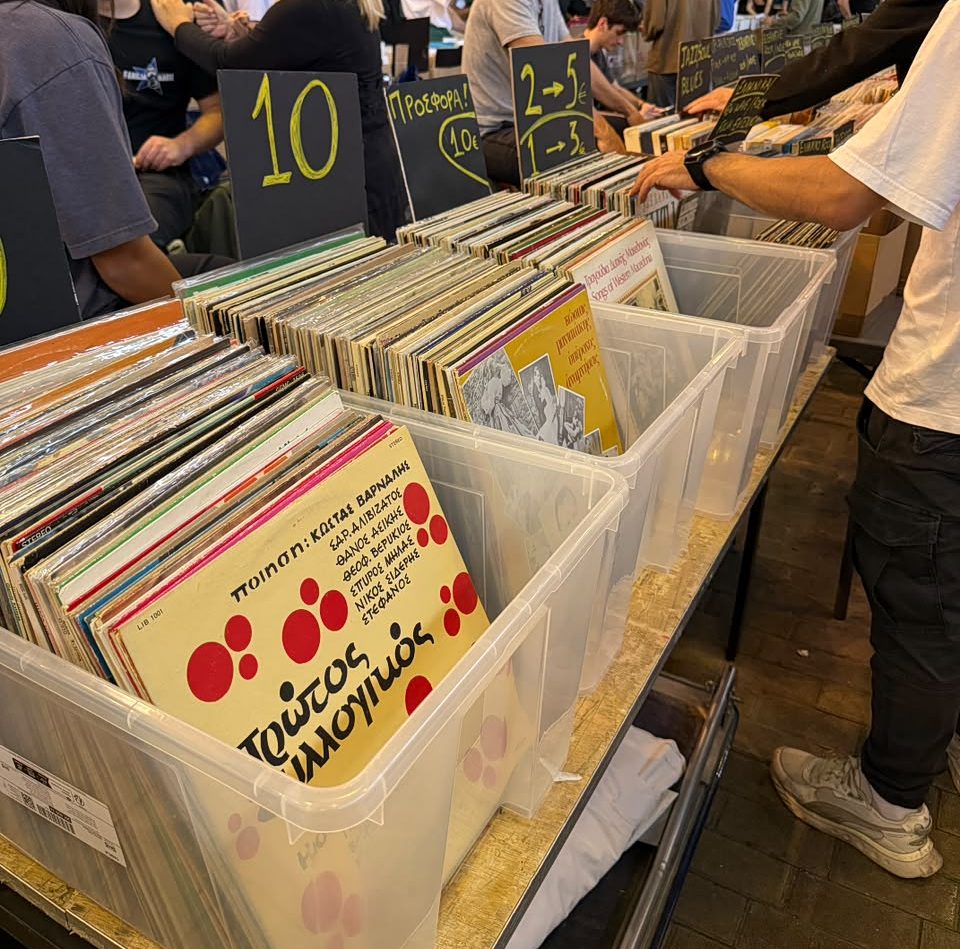
VInyl records arranged in plastic boxes with prices and offers on diplay on thick black paper. Photo by Angelos Gassenschmidt
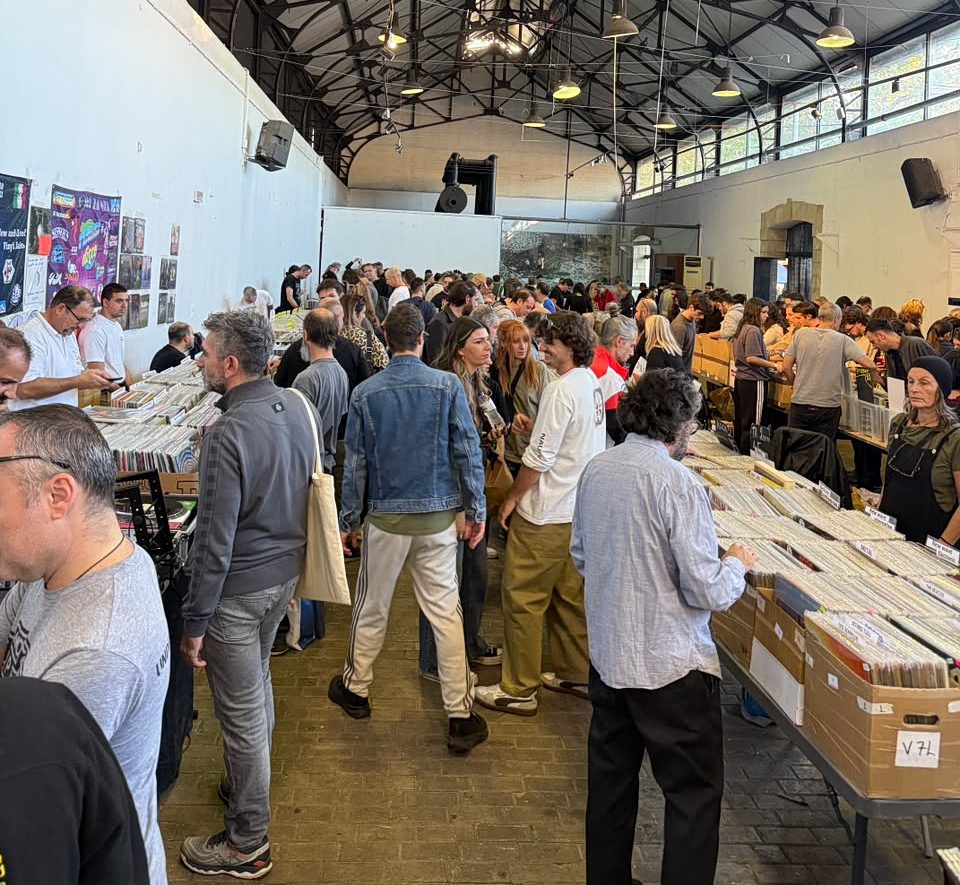
A crowd of people passing by vinyl record stands as they stop to examine, discuss, and begin/expand their collections. Photo by: Angelos Gassenschmidt