Easter (Pascha) Sunday, the most important religious and communal event for Greek Orthodox populations around the world, is observed and celebrated today, April 12. As Easter Sunday can fall between early April, at the earliest, and the first week of May, at the latest, in the Orthodox ecclesiastical calendar, it also marks the advent of Spring.
Yet for roughly four centuries, the lands that correspond to modern Greece today were part of the Ottoman empire, a Sunni Muslim–dominated entity. The latter divided subjects by faith—not ethnicity, background or language—into Muslims, Christians, Jews and Christian Armenians.
While the core religious rituals surrounding Easter continued unchanged from the Byzantine tradition, historical accounts shed light on how the great feast day was experienced, expressed and remembered during the often dour era of Ottoman rule.
Travelogues written by Western European travelers between the 16th and early 19th centuries are invaluable for the perspectives they offer on the centuries of Turkish rule, which were considered a dark and backward period for Hellenism.
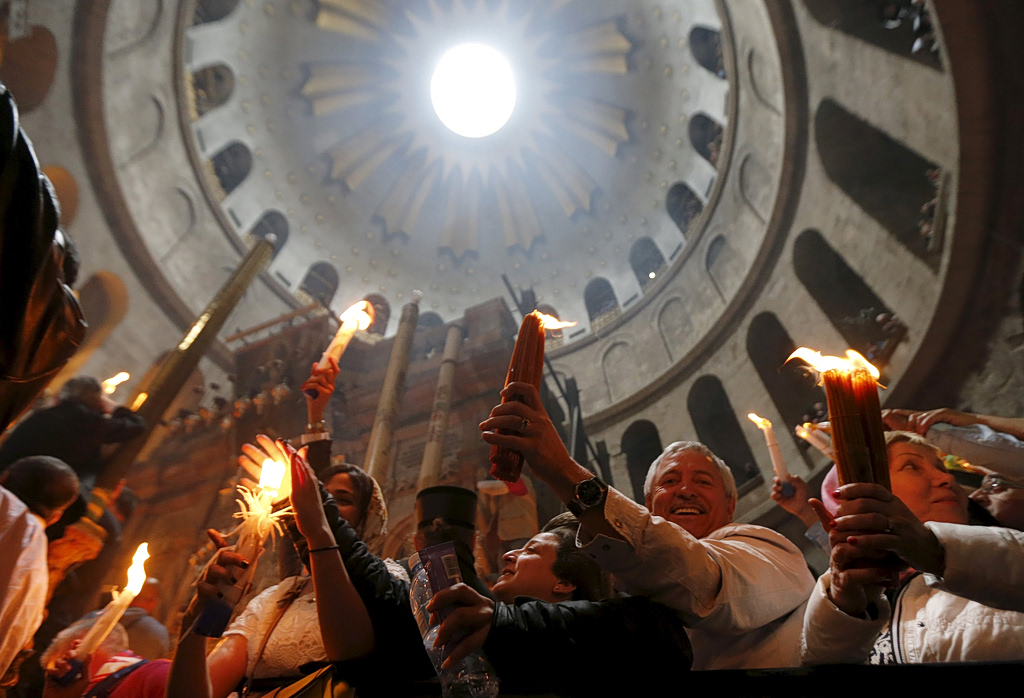
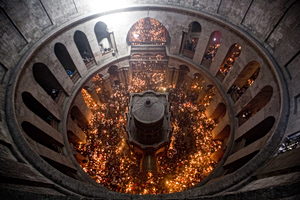
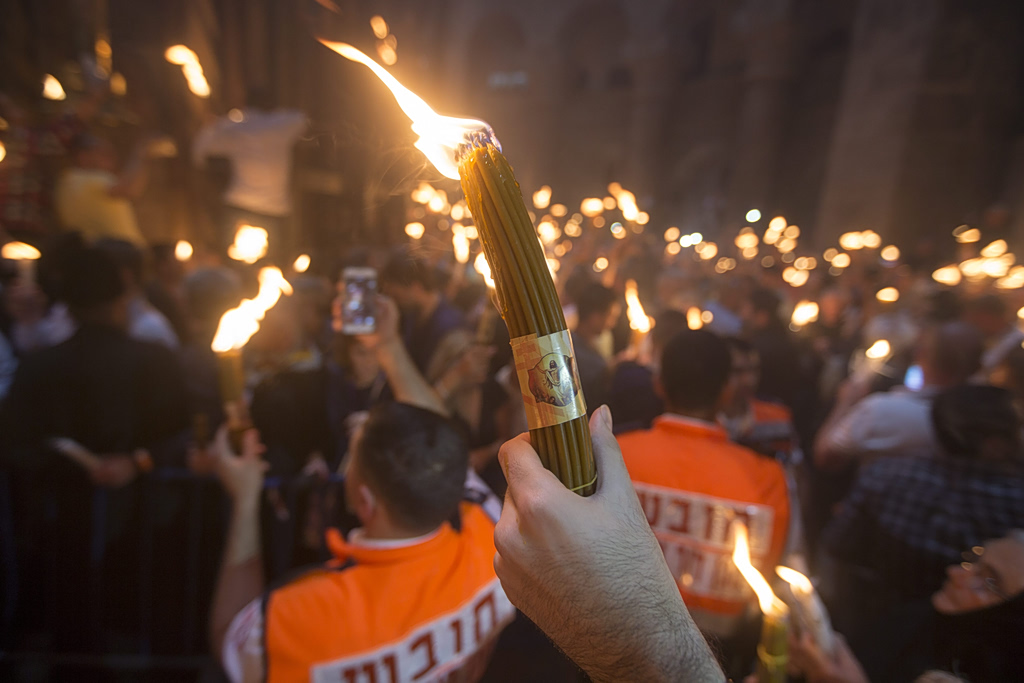
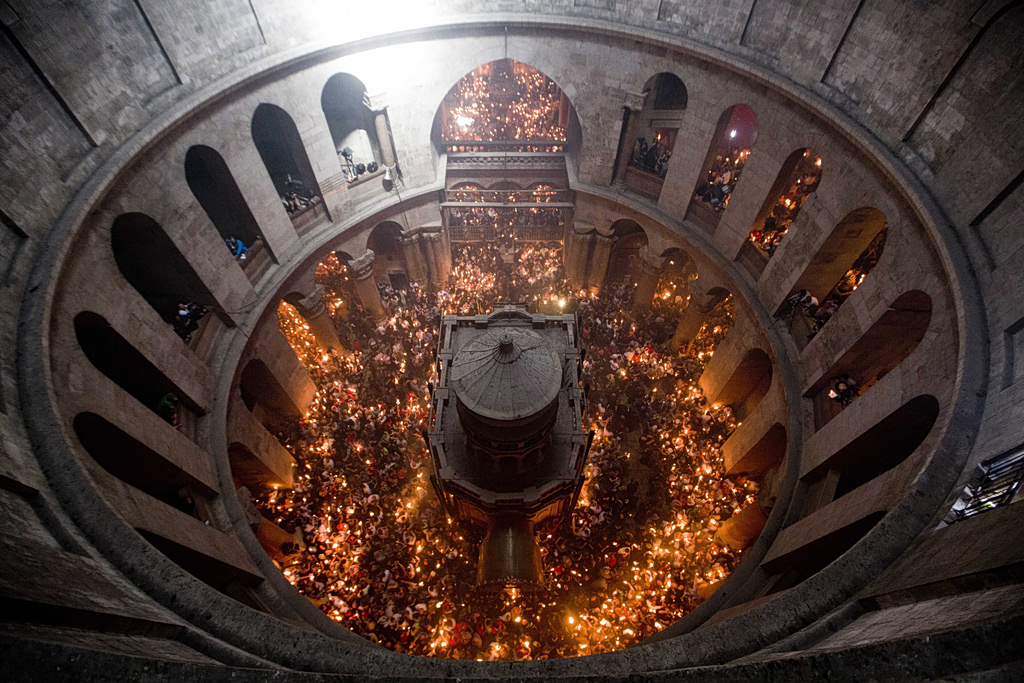
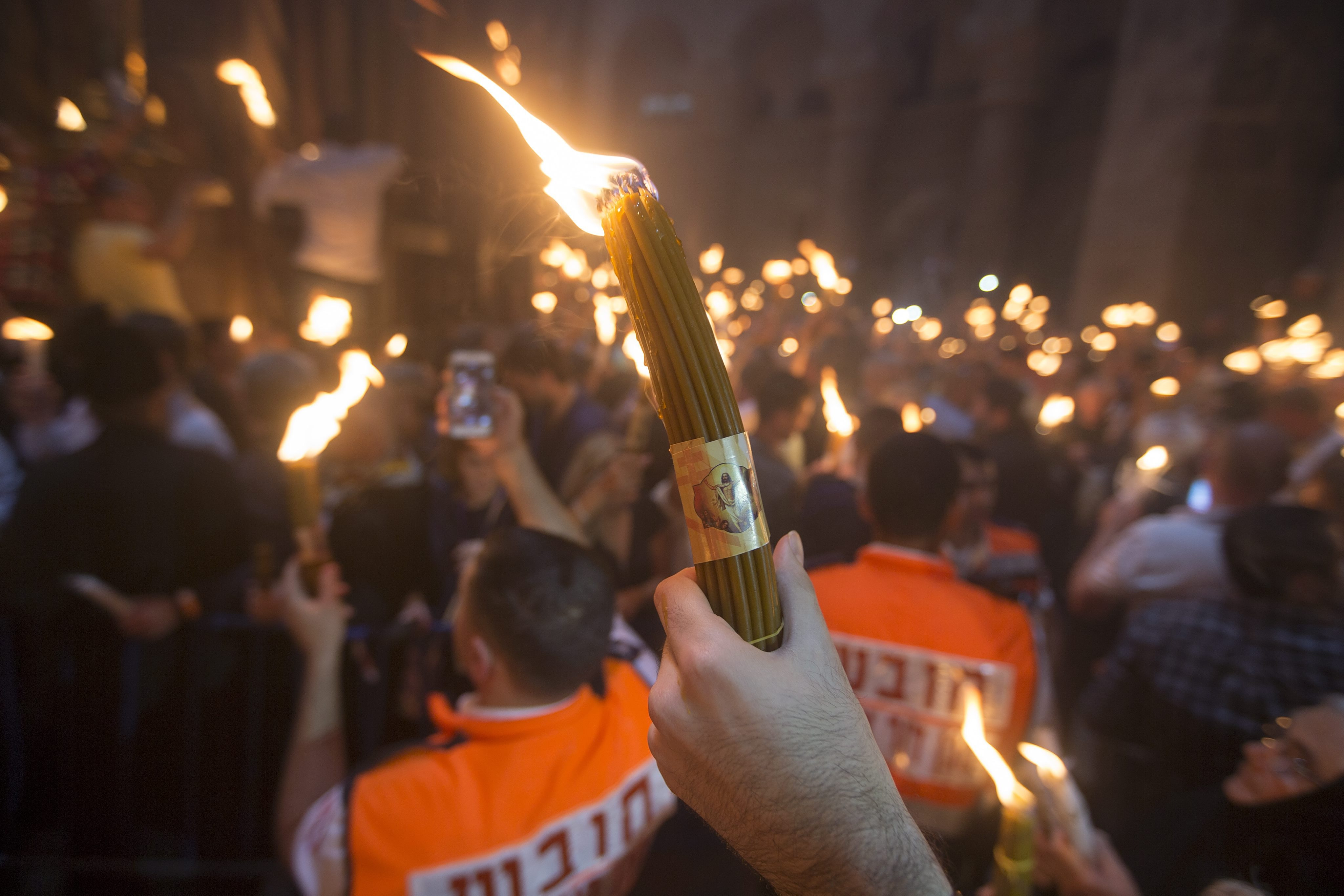
Worshippers hold candles as they take part in the Christian Orthodox Holy Fire ceremony at the Church of the Holy Sepulchre in Jerusalem’s Old City, April 11, 2015. REUTERS/Ammar Awad
However, the Orthodox Church, headed by a Patriarch who was considered the chief representative of the empire’s Christian subjects, enjoyed a certain amount of autonomy in regulating their religious life and education. The Church also played a role in local governance, with several islands enjoying a still more autonomous status.
As a result, Easter celebrations were officially allowed, though always within the restrictions imposed by the Ottoman authorities on, for instance, the ringing of bells and religious processions through the streets.
Then and now, the great feast day of Holy Pascha, the culmination of Lent and Holy Week, celebrated the Resurrection of Christ. Increasingly though, it served as a symbol of Christian and Greek identity and emphasized continuity with the pre-Ottoman past. It also reinforced the distinction between the empire’s Rum subjects and Muslim rulers though the use of an ecclesiastical language (Greek) different from the language of the state (Turkish) and the observance of different customs, strengthening communal bonds among the faithful.
Under Ottoman rule, Easter was also one of the few times when Christian communities gathered openly and collectively.
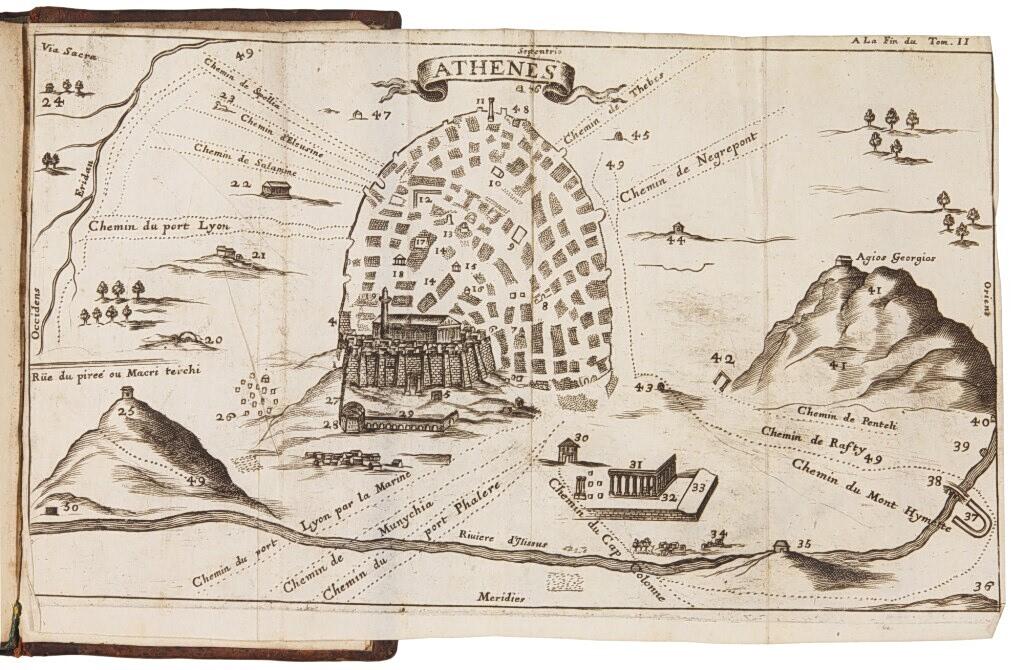
A cover of Jacob Spon’s Voyage D’ Italie, de Dalmatie, de Grece et du Levant, made in the years 1675 & 1676.
In his A Journey into Greece (1682), George Wheler describes the celebratory midnight Holy Saturday mass thus: “At Easter, the faithful celebrate the Resurrection with great devotion; all the churches are illuminated, and the people express extraordinary joy, saluting one another with ‘Christ is Risen’.”
Another 17th-century traveler, Jacob Spon, writes in Voyage d’Italie, de Dalmatie, de Grèce et du Levant (1678) that “the Greeks celebrate their Easter ceremonies with great devotion; they light many candles and spend almost the entire night in the churches” – a description of the all-night, candle-lit vigils.
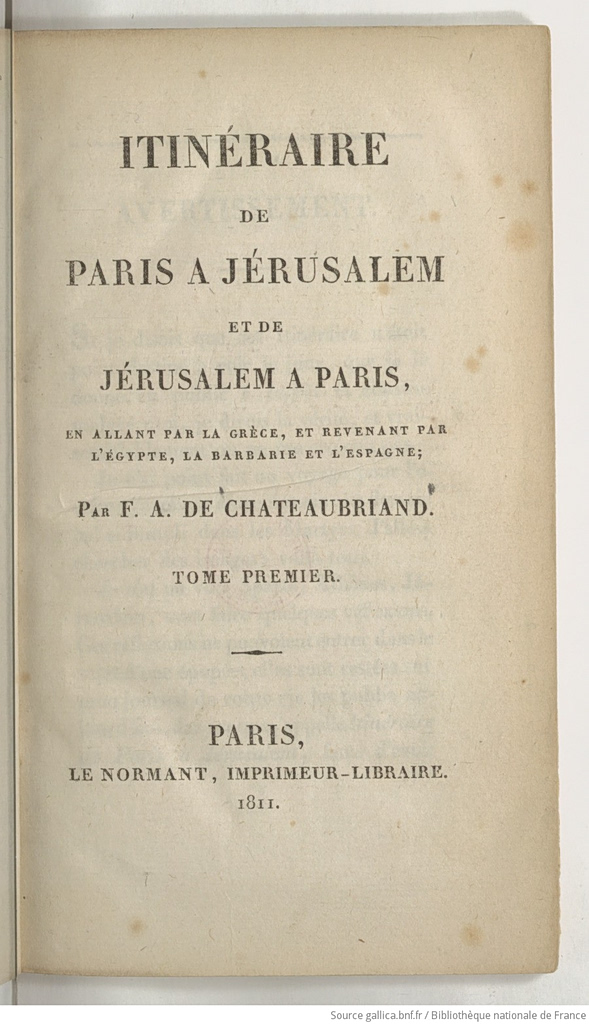
Describing Greek Orthodox Easter in Ottoman-era Jerusalem a century and a half later, François-René de Chateaubriand notes in his Itinéraire de Paris à Jérusalem (1811) that:
“The Easter celebration among the Greeks (Orthodox faithful) has something solemn and moving about it; the Resurrection is celebrated there with a unique pomp and fervor.”
In A Classical and Topographical Tour through Greece, which was published in 1819, just two years before the start of the Greek War of Independence (1821-1829), Englishman Edward Dodwell describes the utterly sorrowful litany of Good Friday, the Epitaphios, thus:
“The ceremonies of the Greek church during Passion Week are peculiarly impressive; the procession on Good Friday is attended by crowds bearing lights, and chanting in a most mournful manner.”
For the Epitaphios, Greek for “Lamentation at the Tomb” and one of the most moving services in the Orthodox Church, a decorated bier or canopy representing the tomb of Christ is placed at the center of the church as the liturgy commemorates the burial of Jesus after the Crucifixion.
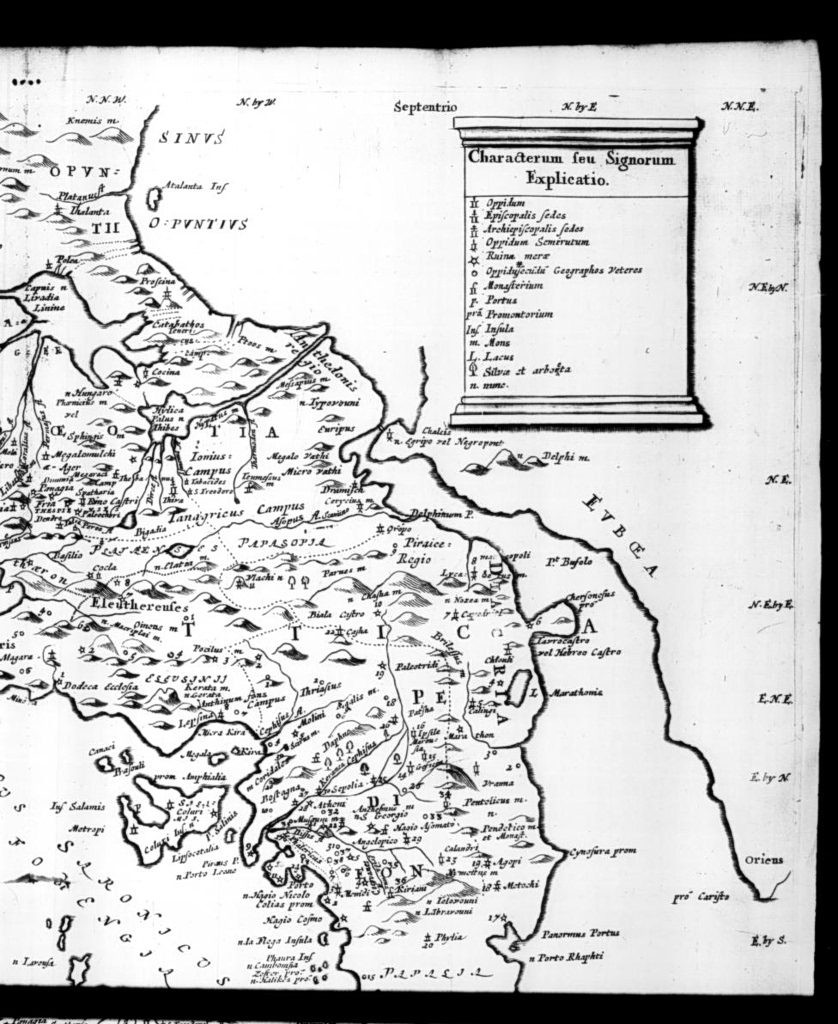
From A Journey Into Greece, Sir George Wheler, 1682.
The Epitaphios service takes place on the evening of Good Friday and is accompanied by a series of poetic hymns mourning Christ’s death. Combined with psalms and readings reflecting sorrow, hope and eventual Resurrection, the dim lighting and candlelight produce a solemn and meditative atmosphere.
One of the most distinctive elements of this service is the procession, in which the Epitaphios is carried through the streets by clergy and parishioners as the bells toll.
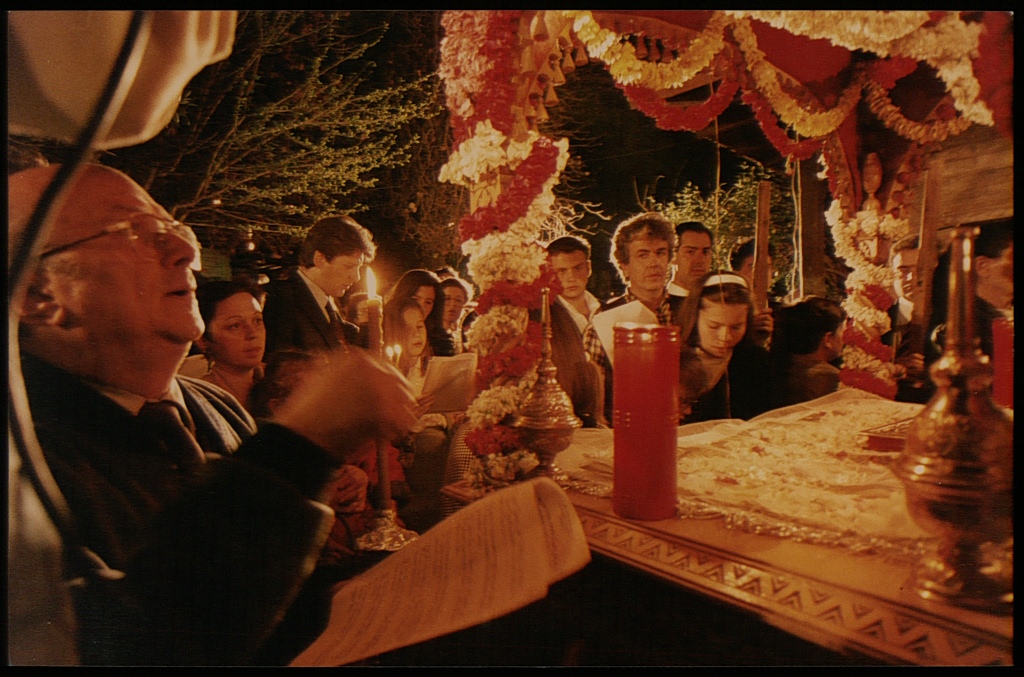
Orthodox faithful venerate the Epitaphios during the reverential Good Friday service.
Processions, litanies and customs
According to Prof. Manolis Varvounis, one notable prohibition during the Ottoman period concerned churches with domes. Most existing domed churches were converted into mosques, and the building of new places of worship of this kind was forbidden.
Varvounis, a professor of folklore in the Department of History and Ethnology at the Democritus University of Thrace, notes that while the Easter liturgy has remained largely unchanged, the Holy Thursday and Good Friday processions are new additions.
Dating from the late 18th century, the litanies, in which the congregation would emerge from the church and—originally—file around the place of worship, closely resemble the Catholic rite.
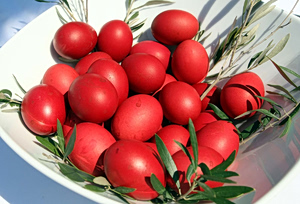
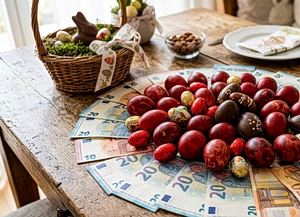
Prof. Varvounis told To BHMA International Edition that “experts in liturgies can’t find too much information on actual processions. Yet the popular customs are the same as today: red eggs, fasting, the roasting of a lamb, celebrations with family and friends.
“So, Easter was not much different than the classic Greek Pascha of today. Gradually, some rites acquired certain national characteristics, such as the reciting of the phrase ‘to scatter one’s enemies’, but that’s not the crux of the custom.”