Greece is expected to save €3.7 billion between 2026 and 2034 as electricity interconnectors linking non-connected islands to the mainland grid are completed, significantly reducing the extra costs currently embedded in power bills nationwide.
For years, many Greek islands have operated autonomous power systems, generating electricity locally — often with oil-fired plants. Because this form of production is far more expensive than mainland generation, the additional cost is shared by all consumers across the country through regulated surcharges on electricity bills.
By integrating the islands into the national transmission system, those excess production costs will be dramatically reduced.
Major Gains From the Cyclades and Crete
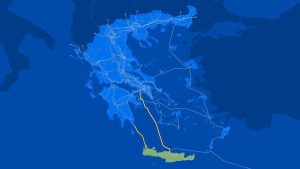
The first wave of substantial savings will come from the full interconnection of the Cyclades and Crete. Crete will be linked to both Attica and the Peloponnese, ensuring greater stability and capacity.
From 2026 to 2030, the average annual reduction in electricity-related public service charges is estimated at €550 million.
Beginning in 2031, when the Dodecanese and the islands of the North Aegean are going to be incorporated into the mainland grid, annual savings are projected to nearly double, reaching approximately €1 billion per year.
Net Annual Benefit for Consumers
Taking into account both the cost of constructing and operating the new interconnectors and the resulting reductions in electricity surcharges, the net financial benefit for consumers is estimated at an average of €416 million annually.
The projected savings from lower electricity-related charges are more than double the total system usage fees expected over the same period, meaning the financial gains clearly outweigh the infrastructure costs.
Shielding Households From Fuel Cost Increases
The financial projections also reflect two key factors: the need to keep certain conventional power plants on standby and the environmental-driven phaseout of mazut, a heavy fuel oil currently used for electricity generation on non-interconnected islands.
By 2031 at the latest, mazut is expected to be fully replaced by diesel fuel, which costs nearly three times as much. If the islands remained isolated from the mainland grid, this shift alone would have triggered sharp increases in electricity production costs, that would ultimately have been passed on to consumers nationwide.
Interconnection effectively prevents that scenario.
€7 Billion in Reduced Charges by 2034
Total reductions in electricity-related public service charges from the island interconnections are projected to reach approximately €7 billion by 2034.
That amount is directly comparable to the €7.5 billion budget of the transmission operator’s 10-year investment plan through 2034, highlighting how quickly the projects are expected to amortize.
source: ot.gr