 Μake us preferred on Google
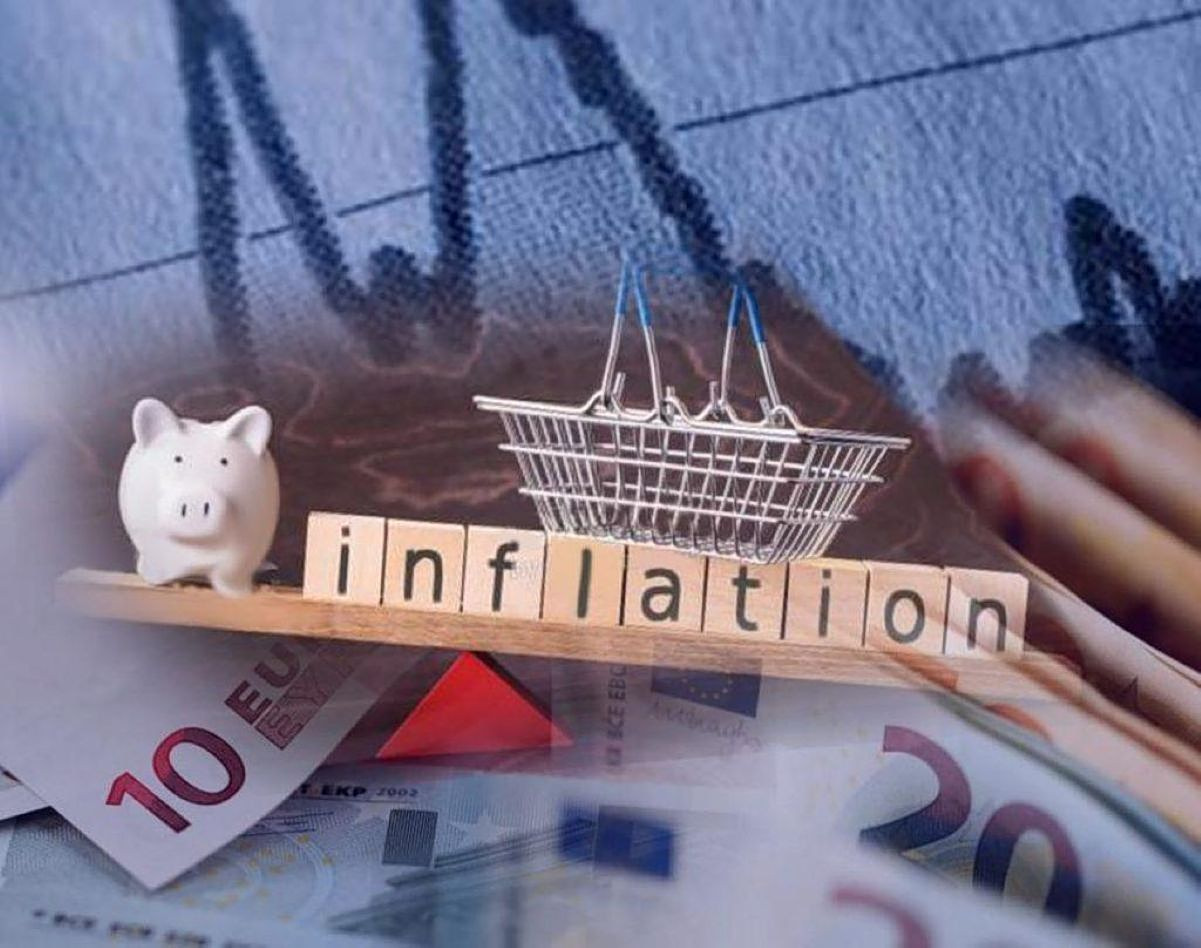
 Greece’s annual inflation rate jumped to 5% in May, up from 4.6% in April, according to data published by Eurostat. The figure places the country significantly above the eurozone average, adding to pressure on the European Central Bank ahead of its June policy meeting.
Across the eurozone, inflation accelerated to 3.2% in May from 3.0% in April. Core inflation, which strips out energy and unprocessed food prices, accelerated to 2.3% from 2.1%.
Energy leads the surge
Energy was the biggest driver, posting an annual rate of 10.9% in May, up marginally from 10.8% in April, on the back of rising costs linked to the Middle East conflict. Prices in the services sector accelerated more sharply, climbing to 3.5% from 3.0% in April. Food, alcohol and tobacco prices rose 2.0%, easing from 2.4% the previous month, while non-energy industrial goods edged up to 0.9% from 0.8%.
Diverging trends across Europe
The picture across major eurozone economies was mixed. France and Spain both recorded their highest inflation readings since 2024. French inflation rose 2.8% year on year, while Spain’s harmonized rate reached 3.6%, its highest level since June 2024. Germany, Europe’s largest economy, moved in the opposite direction, with inflation easing to 2.7% from 2.9% a month earlier.
Rate hike expectations mount
The data intensifies scrutiny of the ECB’s upcoming meeting. Markets have moved to price in a rate increase as near certain, according to analysts at Societe Generale, who noted on Monday that room for a more dovish stance from ECB officials appears limited.
Isabel Schnabel, a member of the ECB’s Executive Board, stated plainly in a recent interview that a rate hike in June is necessary. Philip Lane, the ECB’s chief economist, added that the bank’s forthcoming macroeconomic projections will likely incorporate higher inflation forecasts, and warned that so-called second-round effects, where initial energy price shocks feed through into broader wages and prices, are expected to persist even as the original energy pressures begin to ease.
Societe Generale had forecast that eurozone inflation would rise to 3.2% in May from 3.0% the previous month. The Eurostat figure confirmed that projection.
Source: ot.gr