

 Μake us preferred on Google
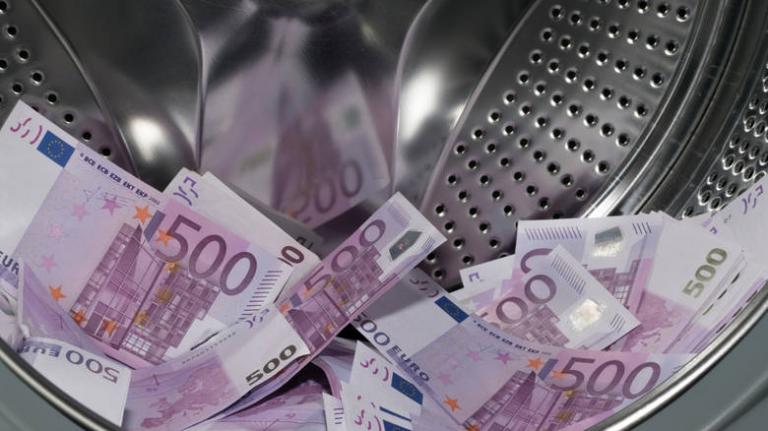
 Greece’s black market economy remains one of the largest in Europe, valued at more than €40 billion—roughly 18% of the country’s gross domestic product (GDP). Despite notable progress in recent years, the persistence of cash-based transactions continues to sustain a parallel, shadow economy.
According to data from the Center of Planning and Economic Research (KEPE), cash still accounts for over four out of every ten euros exchanged in Greece. This reliance on physical money helps keep the informal sector alive, even as authorities push for greater transparency and digital payments.
Recent figures from the Hellenic Statistical Authority reveal a telling imbalance between income and spending. In 2024, Greek households reported total disposable income of €158.5 billion but spent €162.6 billion, around €4.1 billion more than they officially earned. While part of that gap may be due to savings from previous years, economists say a substantial portion reflects undeclared income from both legal and illegal activities.
Businesses also acknowledge the endurance of cash culture. More than 40% of customers continue to pay in cash, according to entrepreneurs, facilitating tax evasion or money laundering through countless small-scale transactions—often below €500—even when receipts are issued.
Meanwhile, data from the Bank of Greece indicates a paradox: the number of active payment cards continues to grow, but their use is declining. As of June 2025, Greece had 21.6 million active cards, up 5.3% from December 2024. Debit cards increased by 6%, and credit cards by 1%. Yet the average number of transactions per card fell from 65 to 61 in the same period.
Debit card usage, the main alternative to cash, dropped from 71 to 67 transactions per card, while credit card use also dipped slightly. The average transaction value per debit card decreased by 10%, and by 2.6% for credit cards, suggesting smaller, less frequent digital payments.
According to a European Central Bank (ECB) survey, cash remains king in Greece, representing 54% of all transactions in 2024, compared with just 37% by card. Across Europe, 41% of citizens—including Greeks—said they preferred cash because it preserves anonymity and privacy, while 28% cited its wider acceptance.
The figures highlight a cultural and structural challenge that has long defined Greece’s economy. While the government has made strides in digitizing payments and improving tax collection, the country’s deep-rooted reliance on cash continues to blur the line between formal and informal commerce, keeping the greek shadow economy alive and well in 2025.