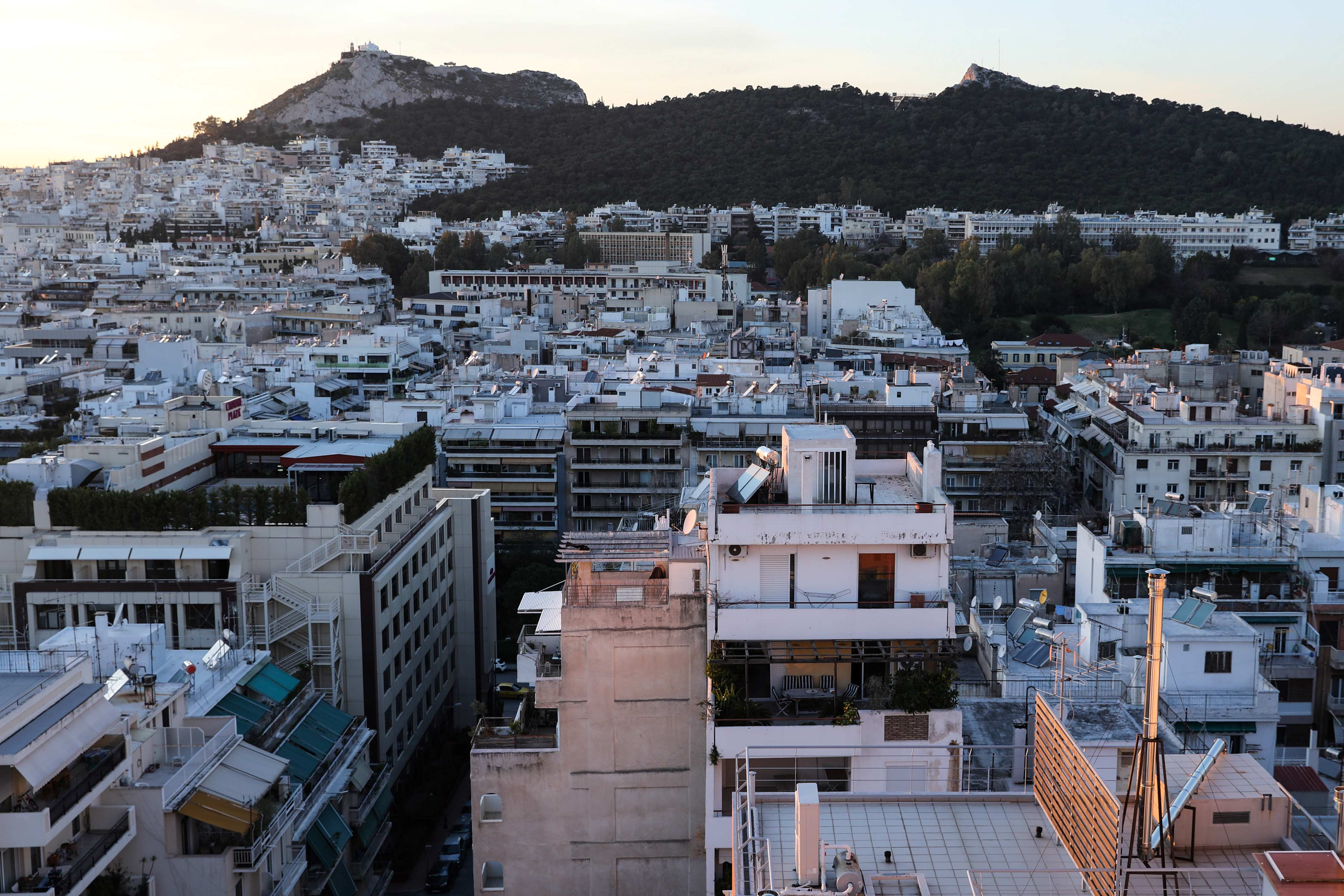
Home ownership in Greece, traditionally amongst the highest in the European Union (EU), has nevertheless eased 69.7%, nearing the Union average of 68%, according to the latest Eurostat data.
Before the decade-long financial and economic crisis that bedeviled the country, beginning in late 2009, more than 80% of Greek households owned their residence. Today, 30.3% of the population lease their abode.
Tax data show there are 7.3 million residential properties in Greece, while the most recent census in 2021 recorded 6.6 million.
One parameter of the current housing crisis in the country, which more-or-less only affects the greater Athens-Piraeus agglomeration and a handful of other urban areas, lies in the fact that more than 19,000 residences that have been taken over by banks and loan servicers and remain off the market. Meanwhile, according to Eurostat, thousands of fire- and flood-damaged properties are exempt from the property tax and thus not recorded.
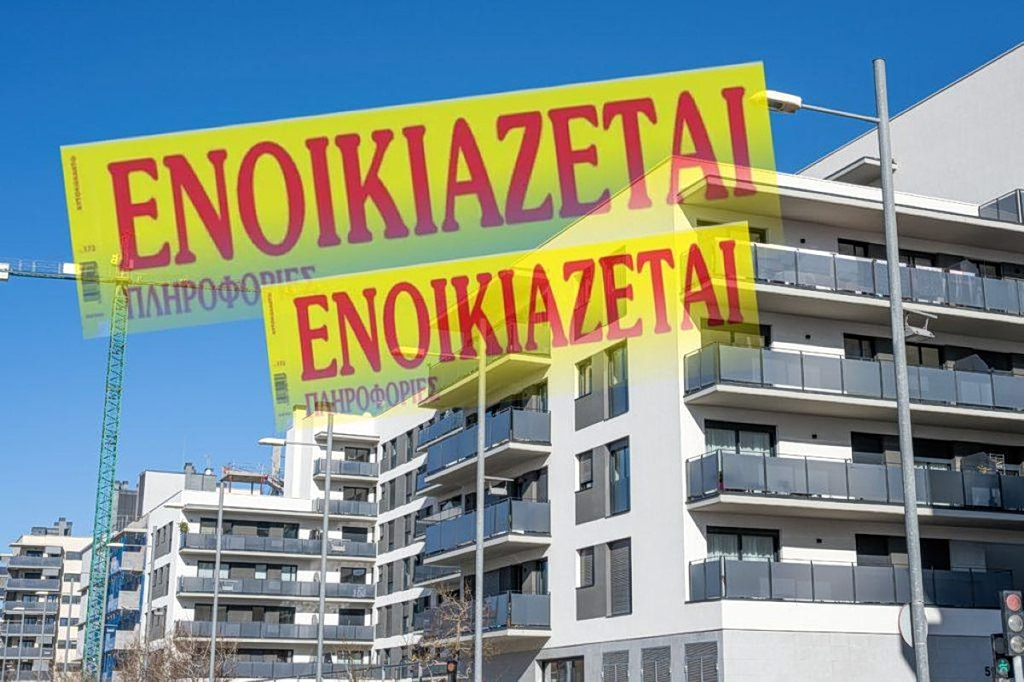
Soaring rents in Attica are making housing increasingly unaffordable, with tenants spending a growing share of their income on apartments in high-demand areas like Vouliagmeni, Kolonaki, and Glyfada.
Government figures indicate that nearly 887,000 households received a rent subsidy (rebate) in 2024, highlighting the scale of the residential leasing market.
Across the EU, renting is most common in countries with stronger economies. For instance, 53% of Germans, 46% of Austrians, and 39% of Danes live in rental housing. The latter countries, moreover, have strong tenant protection laws in place.
By contrast, high homeownership rates are reported in east European, led by Romania (94%), Slovakia (93%), and Hungary (92%), where mass privatizations in the 1990s boosted ownership rates.
Census data also show that of Greece’s 6.6 million properties, a whopping figure of more than 2.2 million are vacant – at least for tax purposes – with most of the latter built between the 1960s and 1980s.