
Greece’s annual inflation rate stood at 2.5% in Jan. compared with the same month last year, while consumer prices fell 0.8% from December 2025, according to data released by the Hellenic Statistical Authority (ELSTAT).
On a rolling 12-month basis, the Consumer Price Index (CPI) for Feb. 2025–Jan. 2026 rose 2.5%, slightly easing from the 2.7% increase recorded in the previous comparable period, suggesting a modest slowdown in overall price growth.
Food prices remained a key driver of inflation. Beef prices surged 25.4% year-on-year, lamb rose 8.5%, and fruit prices climbed 11.8%. Chocolate products also posted a sharp increase of 20.3%. In contrast, olive oil prices dropped by roughly 30%, partly offsetting broader food inflation.
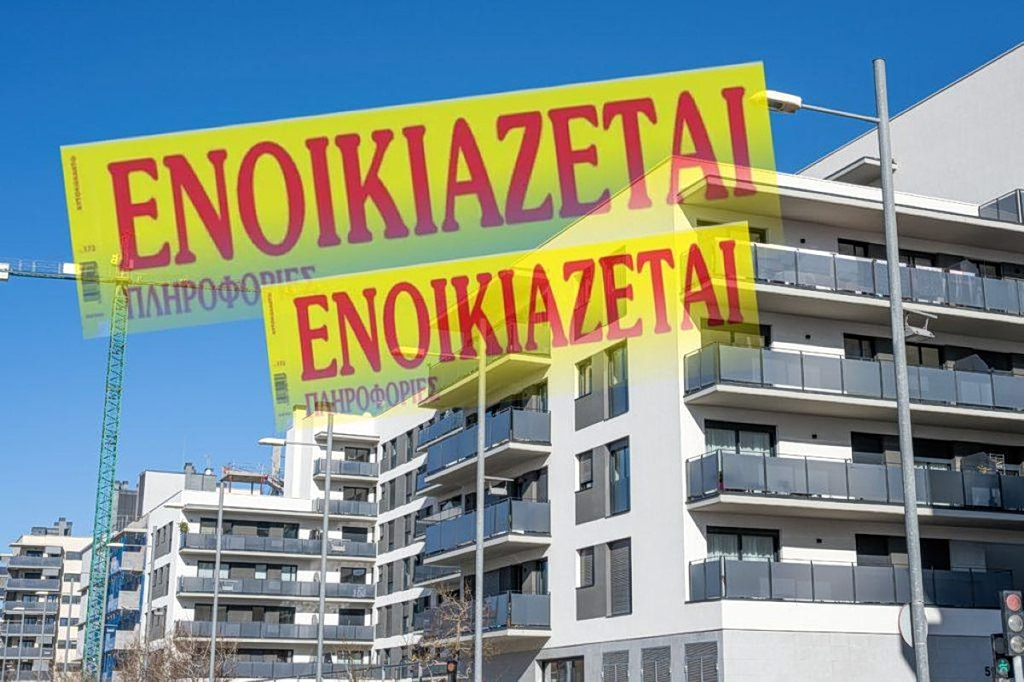
Housing costs continued to pressure household budgets, with rents rising 8.7%, while clothing and footwear became 8% more expensive. Energy-related costs moved in the opposite direction, as natural gas prices fell 25.8% and heating oil declined 9.5%, easing some winter cost pressures.
By category, prices increased most in food and non-alcoholic beverages (+4.5%), hotels, cafés and restaurants (+6.8%), education (+2.8%), and housing (+2.1%), driven mainly by higher rents and electricity costs. Transport prices rose 0.9%, reflecting higher vehicle and air travel costs, although cheaper fuels and used cars limited the overall increase.
Smaller price rises were recorded in health services, recreation and financial services. Meanwhile, declines were noted in household goods, communication services, and personal care items, helping temper overall inflation.
The data highlight a continuing shift in inflation pressures, with essential goods and housing costs remaining the main contributors despite falling energy prices.