Greek export businesses are facing mounting pressure as the ongoing conflict in the Middle East drives up energy prices and shipping costs while disrupting supply chains, and threatening their competitiveness in global markets. The impact is particularly pronounced for exports in Asia, a region Greek companies have only recently begun to prioritize more strategically.
Increased transportation expenses and logistical delays are complicating trade routes and weakening price competitiveness for Greek goods.
Exports to Gulf Region Decline
According to Alkiviadis Kalabokis, president of the Panhellenic Exporters Association (PSA), the total value of Greek exports to 10 countries in the Persian Gulf region reached €3.017 billion in 2025, marking a 5.3% decline compared with 2024. These countries include Lebanon, Israel, the United Arab Emirates, Saudi Arabia, Qatar, Jordan, Oman, Kuwait, Iran and Bahrain.
Lebanon was the largest export market in the region, totaling €1.167 billion, largely driven by fuel exports. However, Kalabokis said trade activity has effectively ceased since the onset of the war, as Lebanon is now directly affected by the conflict.
Israel was the region’s second-largest export market, totaling €996.4 million. It was followed by the United Arab Emirates and Saudi Arabia, with €352 million and €291.1 million, respectively, while exports to the remaining countries remained comparatively limited.
According to the President of the PSA due to the geopolitical situation greek exports to several of these markets have nearly come to a halt, with March expected to reflect a sharp downturn in performance for Greek exporters.
Rising Costs and Supply Chain Strain
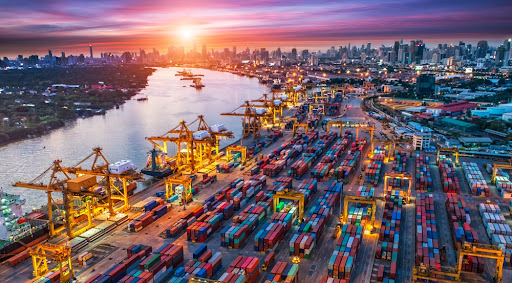
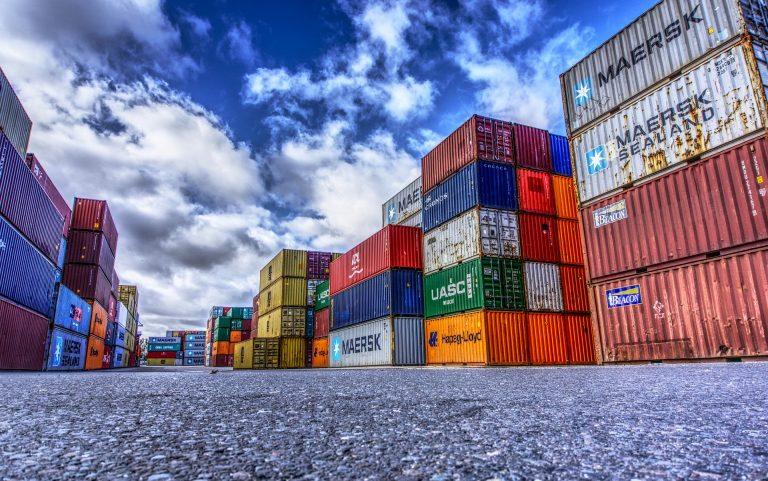
Greek businesses exporting primarily to Asia are also grappling with higher operational costs. Shipping expenses have increased by approximately 10%, while container costs have risen by about 8%, partly due to longer transit times and reduced availability.
At the same time, energy costs have climbed, further squeezing margins.
Early signs of supply shortages are also emerging. Packaging materials, particularly plastics derived from petroleum byproducts, are becoming harder to source, raising concerns about production continuity.
Fertilizer Risks and Domestic Pressure
Kalabokis warned that nitrogen fertilizer supply could also be affected. Urea, a key raw material used in fertilizer production, is largely sourced from Gulf countries, making it vulnerable to disruption.
As export opportunities in the region diminish, Greek companies may be forced to redirect surplus production to the domestic market. This could lead to downward pressure on prices within Greece.
Despite the challenges, the overall value of Greek exports in 2026 may remain close to last year’s levels, according to Kalabokis. However, this stability is expected to be driven by higher prices rather than increased trade activity, with export volumes likely to decline.
Source:ot.gr