 Μake us preferred on Google
 Greece’s Property Acquisition and Leaseback Agency will be operational by the end of autumn, Finance Minister Kyriakos Pierrakakis said, pledging that no citizen seeking to protect their primary residence while servicing their obligations would be left unprotected.
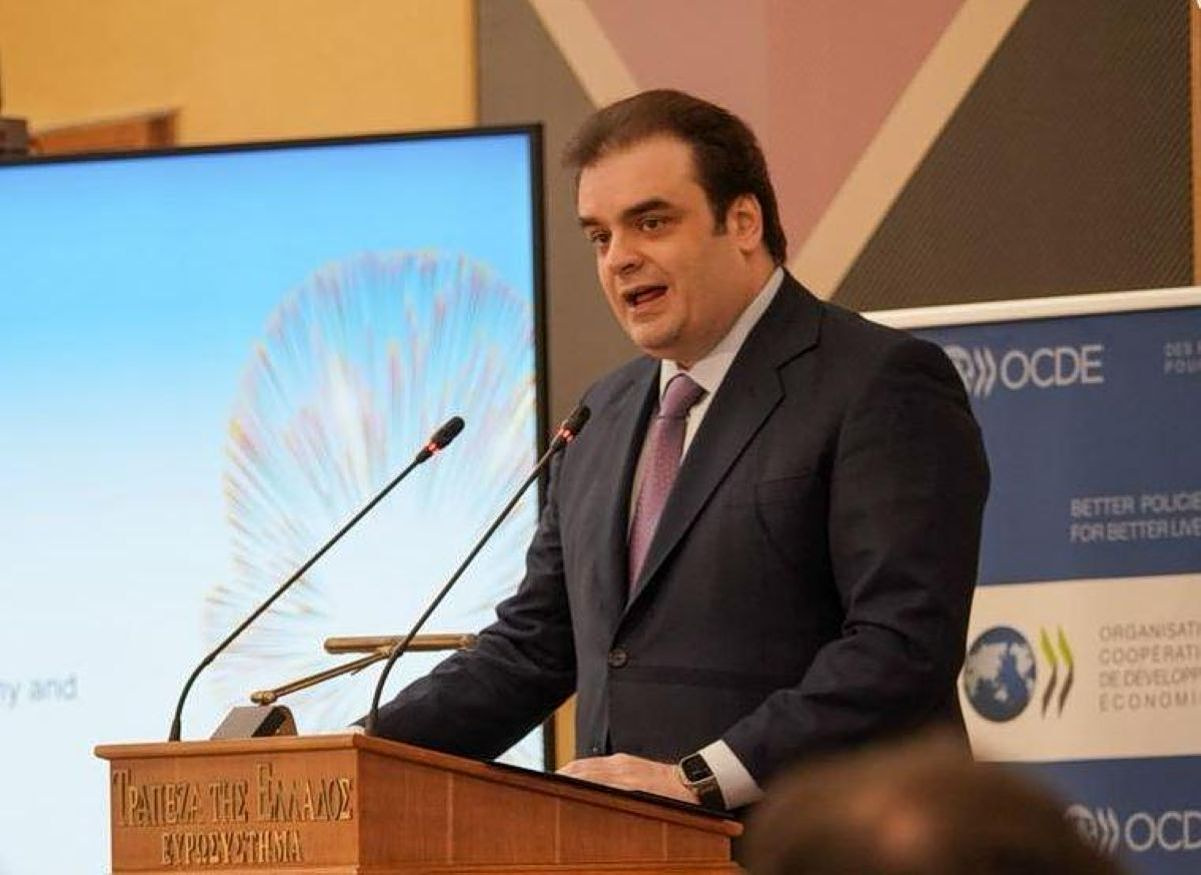
Speaking at the “Investing in Change: How Crete is Being Transformed” conference, Pierrakakis said the government was in the “final stretch” of implementing the agency. Binding bids are expected imminently.
The mechanism is designed to function as a safety net for genuinely vulnerable borrowers. Under the scheme, the property would be acquired by the agency, allowing the resident to remain in the home by paying a subsidized rent of between 70 and 210 euros. The arrangement can last up to 12 years, with an option for the citizen to repurchase the property at the end of the period.
Pierrakakis also signaled a forthcoming intervention in the out-of-court debt settlement mechanism. The change would allow citizens to choose which asset they wish to protect, with an emphasis on the primary residence, securing larger debt haircuts and lower monthly installments in the process.
The minister noted that fewer than 10% of foreclosures involve homes, a figure that includes secondary and holiday residences. He said the government was nonetheless addressing the issue through what he described as a comprehensive framework for protecting the primary residence.
Diesel subsidy extended
On the diesel subsidy extension, Pierrakakis underlined that the government opted to cover only diesel and not gasoline because diesel has a stronger impact on supply chains and, in turn, on inflation. He said the government has spent more than 800 million euros so far on energy crisis support and is willing to do more if conditions demand it and the budget allows.
A shifting production model
Pierrakakis argued during his intervention at the conference that the Greek economy is already shifting its production model, citing the rise in investment and exports as a share of GDP. Investment has climbed from 11% of GDP in 2019 to 17% today, while exports have risen from 20% to 42% of GDP. The European average stands at 51%.
According to the minister, Greece has balanced its books, is posting high primary surpluses, and is paying down debt faster than other countries. Unemployment, he said, is now near 8%. He credited the EU’s Recovery and Resilience Facility, the bloc’s post-pandemic funding program, with driving Greece’s digital and green transition through a mix of investment and reforms.