
 Μake us preferred on Google
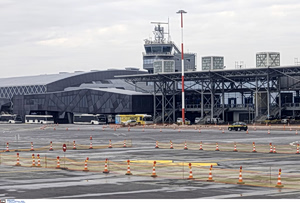
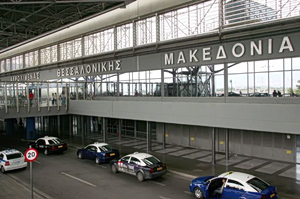
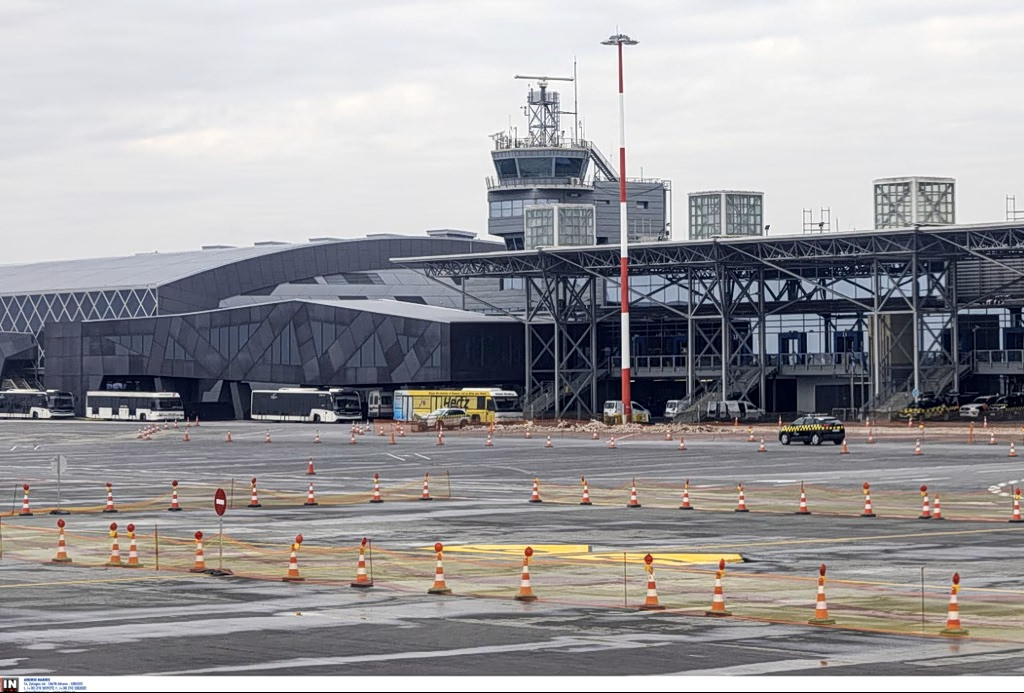
 Ryanair has told its employees it will shut down its base at Thessaloniki’s Macedonia Airport this October, when the summer flight season ends. The airline cited a hike in parking fees imposed by Fraport Greece as the reason for the decision. Fraport Greece, the German-led consortium that manages 14 Greek regional airports, said it has received no official notification from Ryanair about the company’s intentions.
The announcement was made during a staff meeting held in Thessaloniki. The base currently operates three aircraft and employs approximately 200 people, around 160 of whom are cabin crew and pilots. Should the closure be finalized, staff are expected to be relocated to other Ryanair bases across Europe.
The airline is expected to announce by the end of this week which limited routes it will continue to serve during the winter season. It has also left open the possibility of returning to Thessaloniki from March 2027, albeit with a reduced presence — potentially just one aircraft and fewer flights.
Hoteliers urge calm
Local hospitality leaders moved quickly to reassure the public. Andreas Mandrinos, president of the Thessaloniki Hotels Association, noted that Ryanair currently serves 33 destinations from the airport but is expected to retain only three. Despite the scale of the reduction, he struck a measured tone.
“There is no need for panic. The situation is manageable,” Mandrinos said, adding that the gap left by Ryanair could be filled, particularly during the busy summer season, by other carriers. He did, however, stress the need for support from the Greek National Tourism Organization through flight incentive programs to attract replacement routes.
This is not the first time Ryanair has deployed this playbook in Greece or elsewhere in Europe. The airline has previously withdrawn from bases at Chania and Kos, two popular Greek island airports, and more recently from Berlin. In each case, it cited cost or profitability concerns.
City Hall mobilizes
Thessaloniki’s mayor, Stelios Angeloudis, responded swiftly, convening an emergency meeting with local tourism and business stakeholders. He also reached out directly to the Greek National Tourism Organization to coordinate a joint response strategy.
The municipality held a video conference with Ryanair’s management and sent formal letters both to Fraport Greece and to Tourism Minister Olga Kefalogianni. A further meeting among city stakeholders was expected to take place Wednesday.
A broader pattern of pressure
The Thessaloniki dispute is part of a wider friction between Ryanair and Greek airport authorities. Greece’s Civil Aviation Authority recently rejected an appeal by Ryanair against a fee increase at Diagoras Airport on the island of Rhodes. The increase in question was modest — the passenger fee rose from €15.50 to €15.95 for the period covering April 1, 2026 to March 31, 2027, with all other fees remaining unchanged. The authority ruled that the process had been lawful and found no grounds to overturn Fraport’s decision.