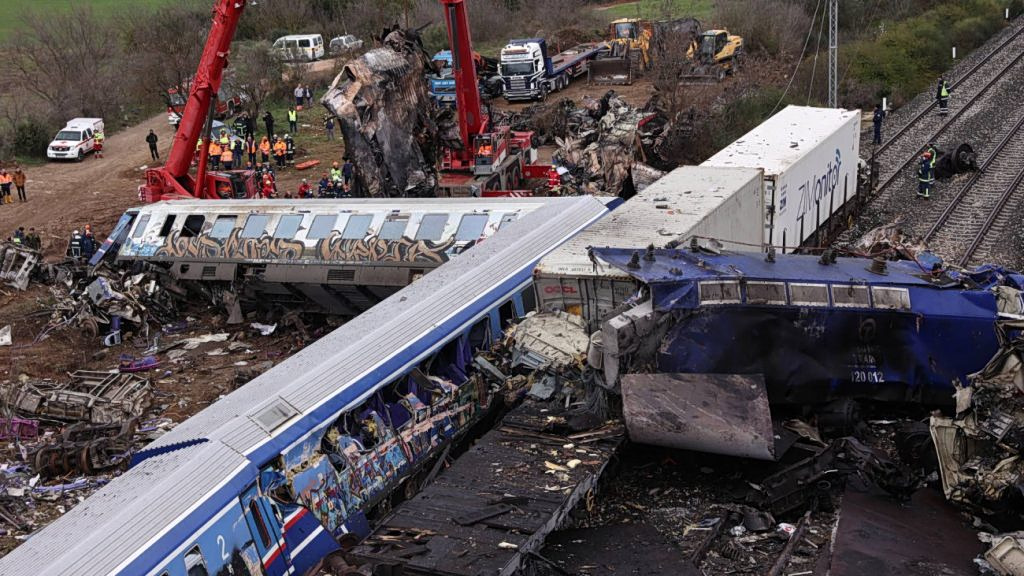
The hour of justice is upon us. Judgment is to be passed on a tragic event, an accident that left dozens dead, in the place where all such tragedies have to be judged in democracies and states governed by the rule of law.
In court.
The judicial inquiry lasted three years, involved hundreds of witness statements and expert reports, and produced a case file tens of thousands of pages long.
Charges have been brought and the defendants will stand trial in a multi-defendant case expected to last several months. We will have to be patient.
There is no doubt that the delivery of justice is a difficult and sometimes time-consuming process. But the legal route is the only way to ensure that justice is actually done.
So I haven’t the slightest doubt that the judges selected by ballot will rise to the occasion and do their duty. That and nothing else.
After all, we live in a democracy, where justice is administered by judges—not by ‘people’s courts’ or rallies, nor by grieving relatives, opportunistic lawyers or ambitious politicians.
There is no doubt that ‘a good many lies’ have been told in the Tempi case.
People were misled, even sometimes in good faith. Others were deceived. And many, perhaps the majority, remain confused.
It is now the court’s responsibility to assess the facts and the individuals involved. To weigh up the evidence and apportion blame. To reach conclusions which (as is always the case in such matters) will satisfy some and displease others.
To deliver verdicts. Verdicts which (let me remind you) are not issued as a blanket judgment.
After all, the court is neither punisher nor vindicator. Revenge is not the object, while the punishment will result from the judicial evaluation of acts and omissions.
Of course, the Tempi trial won’t be over tomorrow. We need to arm ourselves with patience and follow the proceedings calmly.
The circumstances in which justice is administered are sometimes more important than the criminal procedure itself.
And from the outset, the Tempi accident has been freighted with such intense emotional and psychological significance, it will demand considerable diligence and resolve from the court hearing the case.
But I have no fears on that count.
What does trouble me, however, is the public’s tendency to cling to emotional outbursts, crude and superficial stereotypes, and half-baked ‘expert’ opinions that stand between them and the truth we all hope for.
The Tempi accident claimed the lives of fifty-seven of our fellow citizens, most of them young people
Their deaths caused their loved ones pain and elicited sympathy from the majority and outrage from a minority who inhabit a world of ‘government conspiracies’ and ‘unsolved mysteries’.
But that is no reason to sacrifice our rationality, too, on the altar of the Tempi tragedy.