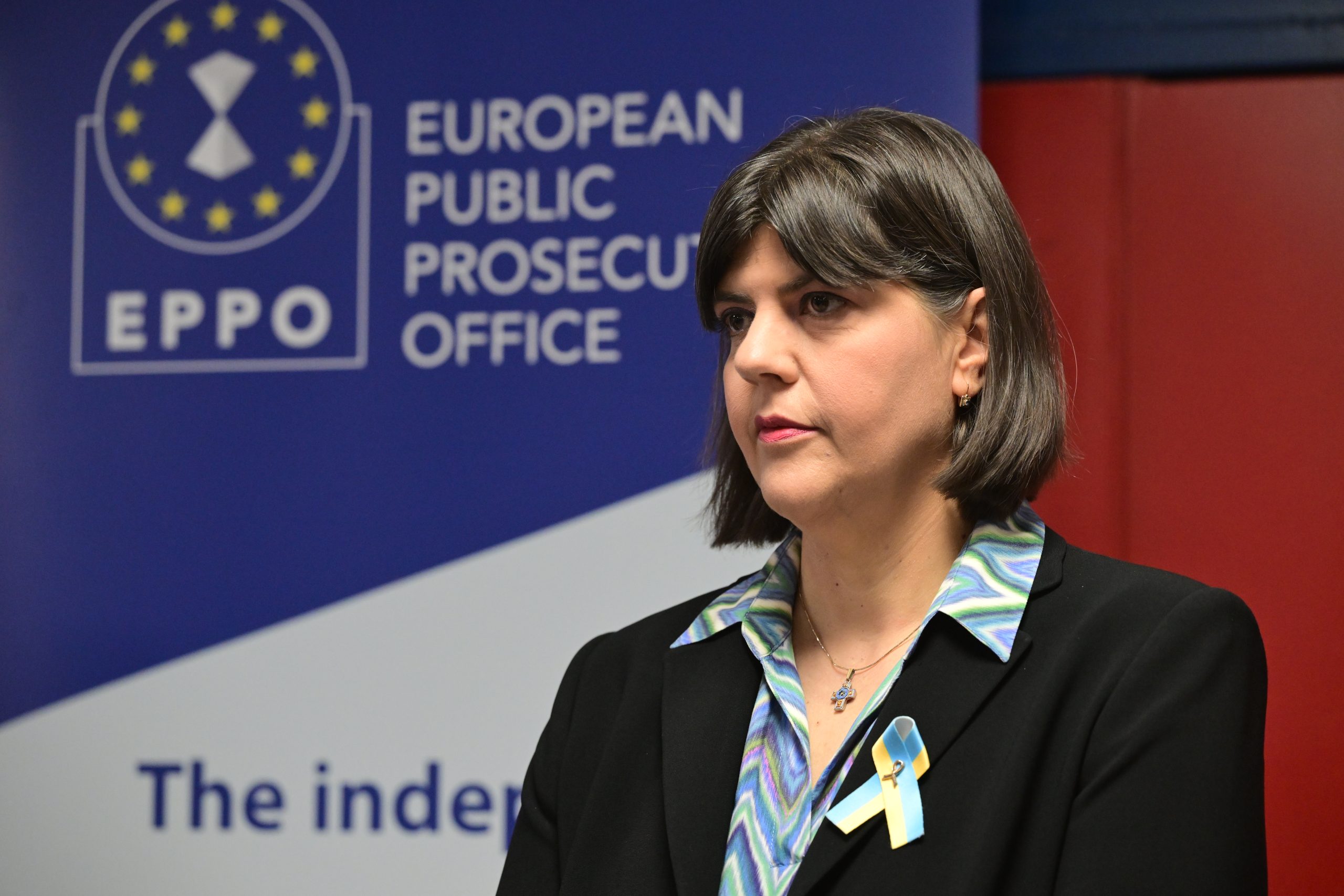
The European Public Prosecutor came and went without a single “bombshell”—in fact, with almost no revelations at all.
Which was to be expected. Clearly, there wasn’t much to add to the mountain she already knew.
The inquest on Tempe has finished and we can expect a trial date to be set for the coming months. The Agricultural Subsidies Agency (OPEKEPE) is in court, and the first convictions are coming through.
And the Public Prosecutor’s repeated request for an amendment of Article 86 of the Greek Constitution will be considered in due course —by, I assume, the competent authorities, which is to say the Greek Parliament.
Which, again, is reasonable. The Public Prosecutor is well into the final year of her term, and I think we can assume without any aspersions intended, that she is more interested in serving a second term than in the fate of ‘Frappé’, the alleged ringleader.
By the way, the European Public Prosecutor is appointed by Europe’s governments. The post is neither elected nor chosen by lot.
Which doesn’t seem to bother those who are paradoxically outraged at the Greek Constitution providing for top judges to be chosen by the government of the day.
They are probably reassured by the fact that this is true in every other EU member state, too.
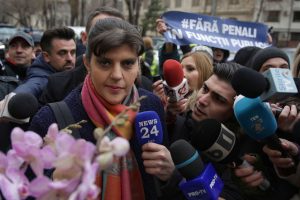
Still, Laura Kövesi took the opportunity to assure the Greek audience that “corruption is everywhere” (press conference, 2/10). Which is really just stating the obvious.
Of course it’s everywhere. It is weren’t, she wouldn’t have 2,650 plus cases on her desk relating to the misappropriation of Community funds alone!
Nor would we need prosecutors and judges everywhere to investigate, expose and try corruption.
But that’s the solution, too. For better or worse, the only antidote to corruption is justice. Not “social vigilance”, or “popular mobilizations”, and certainly not “political posturing”.
A few days ago, former French President Nicolas Sarkozy was convicted in France. This follows the conviction of another former President of France, Jacques Chirac, and two former Prime Ministers and several ministers over the last thirty years.
Justice was done without the Constitution being repealed or amended. Without the legal order breaking down. Without “reality television,” as Kövesi put it.
Just as it has been done in every other European democracy where such issues have arisen, including Italy and Portugal.
When conscientiously applied in the service of the Rule of Law, justice can always distinguish right from wrong and legal from illegal; it always knows when to acquit and when to punish.
Which is why everyone who undermines justice in this way or that must know it’s ultimately democracy that suffers.