
 Μake us preferred on Google
 Turkey appears to be escalating tensions with Greece once again, following a new episode in the ongoing NAVTEX (Navigational Telex) exchange between the two countries. The latest dispute centers around the northern Aegean, triggered by scientific research activities conducted by the Greek research vessel FILIA.
On July 5, Greece issued a NAVTEX announcing the conduct of scientific research by FILIA in the area between the islands of Lemnos and Samothrace, scheduled to take place from July 4 to July 15.
According to international maritime norms, such research activities do not require permission from coastal states, but only a formal announcement to ensure the safety of navigation.
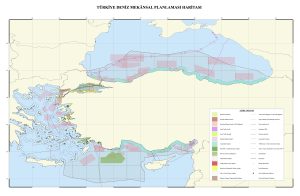
However, on July 7, Turkey issued its own NAVTEX, falsely claiming that part of the area covered by the Greek announcement lies within Turkey’s continental shelf.
In the same notice, Ankara stated that any research activities in areas under Turkish maritime jurisdiction must be coordinated with Turkish authorities.
This is not merely a procedural disagreement over navigational warnings. Turkey is once again asserting its broader stance that any activity outside territorial waters must align with its interpretation of maritime jurisdiction—an interpretation that diverges from international maritime law.
At the same time, it directly challenges Greece’s rights to a continental shelf in the disputed area.
The latest incident adds to the long-standing maritime tensions between the two NATO allies, highlighting ongoing disagreements over jurisdiction, sovereignty, and the application of international law in the Aegean and Eastern Mediterranean.