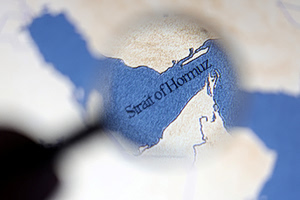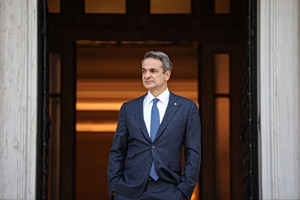
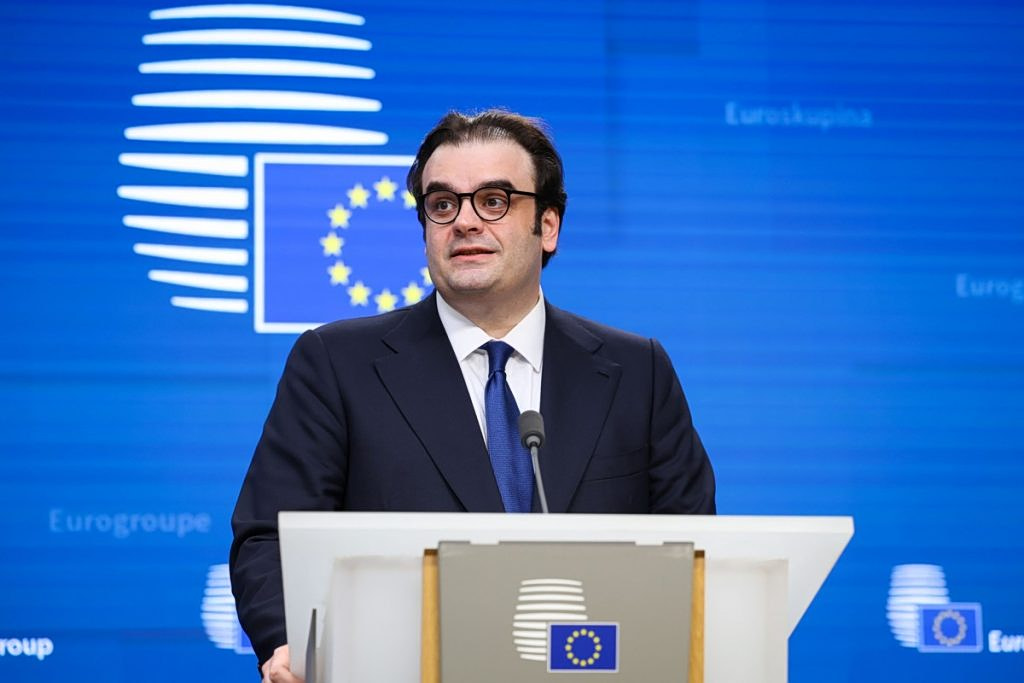
Europe is closely monitoring energy markets and preparing for possible economic impacts as tensions in the Middle East continue to escalate, Eurogroup President Kyriakos Pierrakakis said after a meeting of eurozone finance ministers.
Speaking following the Eurogroup session, Pierrakakis warned that the situation in the Middle East is creating both economic uncertainty and broader geopolitical risks.
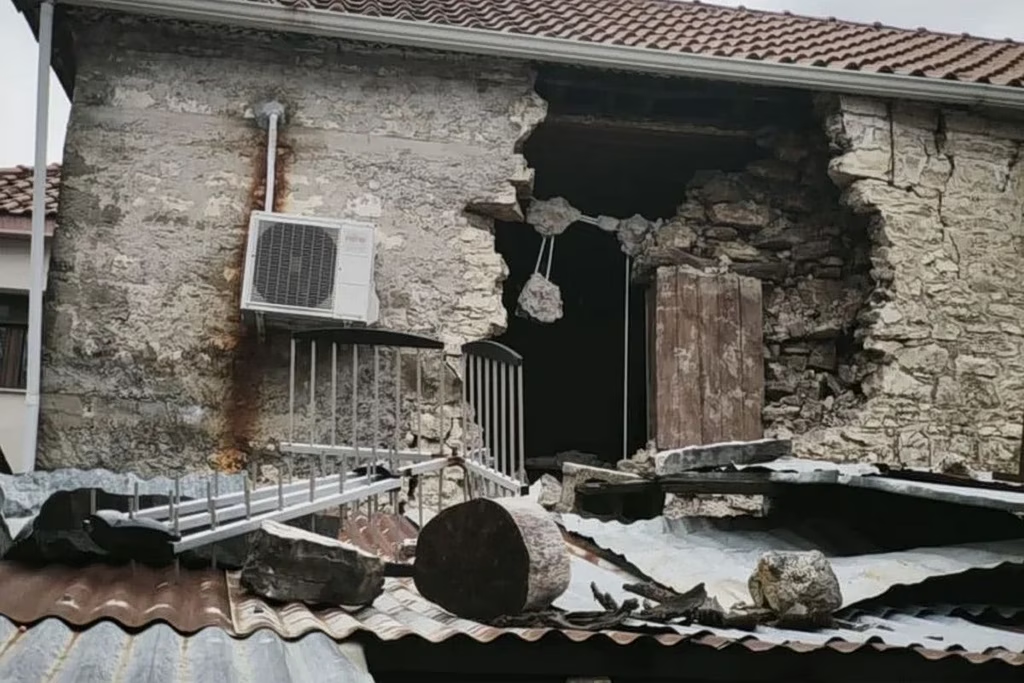
“The situation in the Middle East is causing deep concern,” he said. “Beyond the economic disruption, we are witnessing developments with wide geopolitical consequences.”
According to Pierrakakis, eurozone finance ministers began their discussions by reviewing global macroeconomic developments and the potential economic effects of the crisis. He said the European Union stands in solidarity with its partners in the region and with citizens affected by the conflict.
Officials are closely tracking how markets are responding to the crisis, particularly in the energy sector.
“We are observing upward pressure on energy prices,” Pierrakakis said, noting that ministers discussed the types of measures national governments are considering and the importance of coordinated action across the EU.
While he emphasized that the European economy has the resilience to absorb temporary shocks, Pierrakakis warned that a prolonged period of instability could create broader disruptions.
Potential risks include interruptions to shipping routes, rising energy costs and renewed pressure on inflation.
Energy prices are already among the main drivers of inflation in Europe, alongside housing and food costs, he said.
Pierrakakis also stressed the importance of long-term strategic planning in energy policy, noting that energy infrastructure and networks require years of development and depend on stable political and regulatory frameworks.
Eurozone ministers discussed accelerating Europe’s energy transition, expanding cross-border energy connections and strengthening the integration of the European energy market.
“We focused on further developing and interconnecting European energy networks, ensuring well-functioning and integrated energy markets and supporting investment in infrastructure, energy efficiency and energy security,” he said.
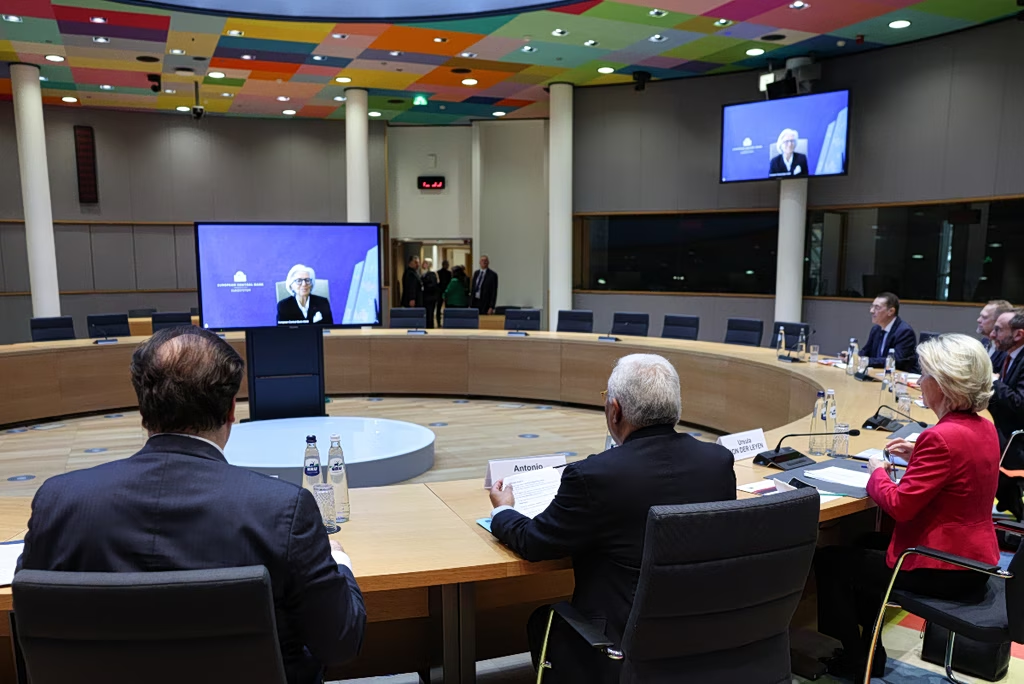
The Eurogroup meeting included contributions from European Central Bank President Christine Lagarde and European Investment Bank President Nadia Calviño.
Pierrakakis said Europe must avoid remaining in a constant cycle of crisis management and instead pursue a strategy that strengthens the continent’s economy and strategic autonomy.
Recent developments, he added, reinforce the need for Europe to move faster in building a more resilient economic and energy system.
He also highlighted the importance of creating a unified European energy market and adapting regulatory frameworks to support it.
At the same time, Pierrakakis said the EU already has crisis-response tools developed after Russia’s invasion of Ukraine, though he stressed that conditions do not currently require their activation.
“The message is that we have the tools and the political will to respond if necessary,” he said.
Pierrakakis also addressed broader economic initiatives discussed during the meeting, including a new digital finance project aimed at strengthening connections between savers, businesses and capital markets across Europe.
Finally, he reiterated support for the development of a digital euro, calling on the European Parliament to advance the initiative.
“As a Union, we believe we should combine a strong public infrastructure—the digital euro—with private innovation built around it,” he said.