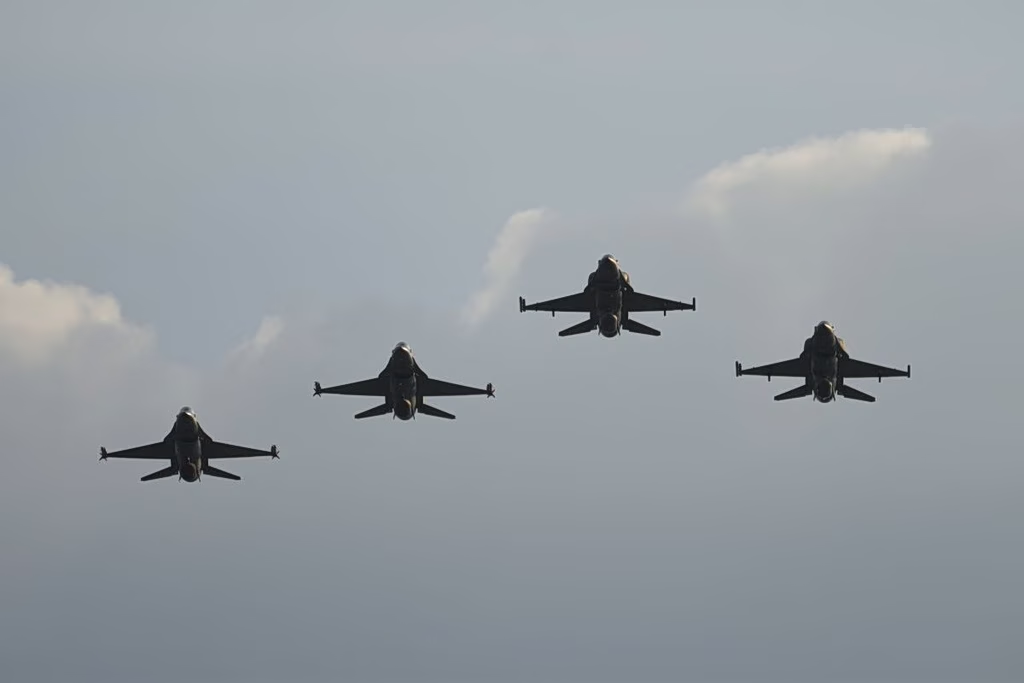
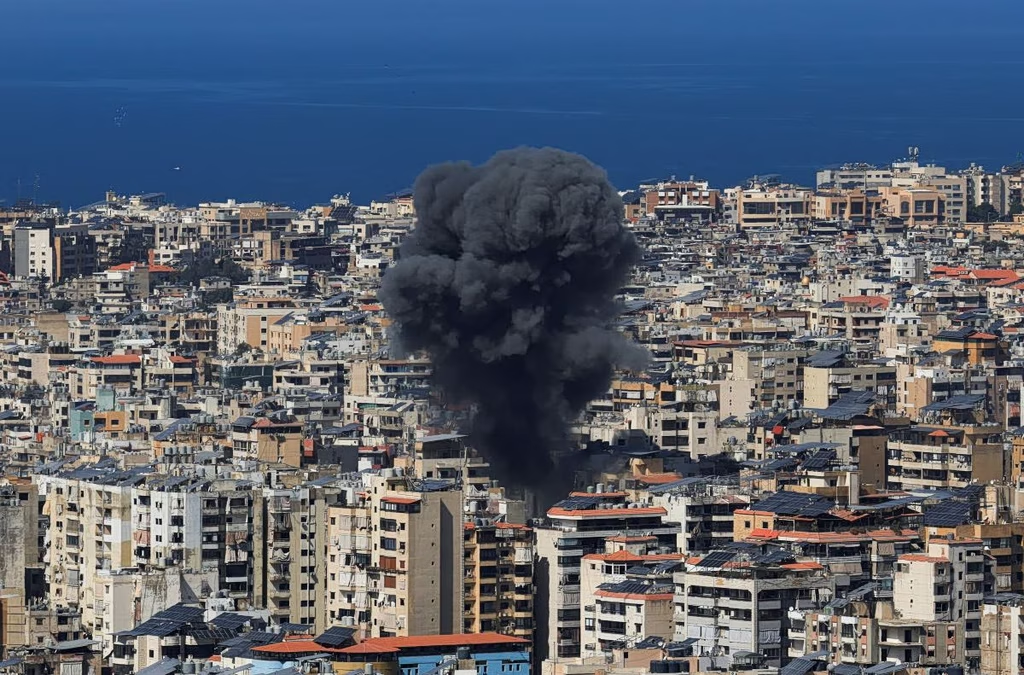
Greece has joined several European partners in requesting an emergency meeting of the United Nations Security Council to address the deteriorating situation in Lebanon, amid escalating bombardments by the Israel Defense Forces.
As a non-permanent member of the council, Greece submitted the request alongside France, Denmark, Latvia, and the United Kingdom, urging discussions on what they described as the worsening conditions in Lebanon.
A statement issued following the initiative expressed full solidarity with Lebanon and stressed the need to respect the country’s sovereignty and territorial integrity. European countries also made clear their opposition to any large-scale military operations on Lebanese territory.
Concerns Over Escalation
The growing tensions raise concerns in Athens about the potential consequences if Israel were to launch a ground invasion of Lebanon. Such a development, analysts warn, could create multiple challenges that would directly affect Greece.
One concern relates to the safety of Lebanon’s Christian communities. There are fears that Hezbollah could respond unpredictably or retaliate if the conflict escalates further.
Another issue is the risk of new migration flows toward Europe. Lebanon—already hosting hundreds of thousands of refugees—could see additional displacement if the situation deteriorates, potentially triggering a new migration wave toward the European Union.
A broader geopolitical concern also exists. Greece could find itself in a difficult diplomatic position if tensions deepen, as Israel is considered one of Athens’ most significant strategic partners in the Eastern Mediterranean.
International Attention
The protection of Christian communities in Lebanon has also drawn attention in United States diplomatic circles. According to reports, the issue is being closely monitored by officials at the U.S. State Department, including Deputy Secretary of State Mike Rigas, who is of Greek descent.
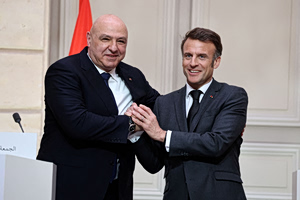
The matter has also been discussed among European leaders, including during a trilateral meeting involving Greek Prime Minister Kyriakos Mitsotakis, Cypriot President Nikos Christodoulides, and French President Emmanuel Macron, reflecting wider regional concerns about stability in the Eastern Mediterranean.