 Μake us preferred on Google
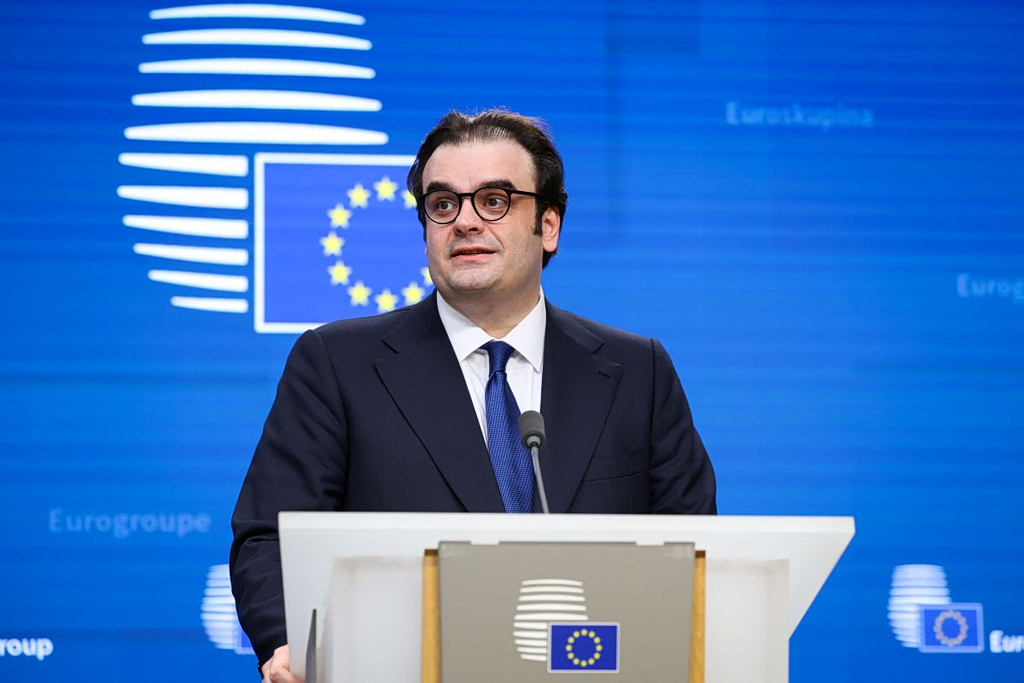
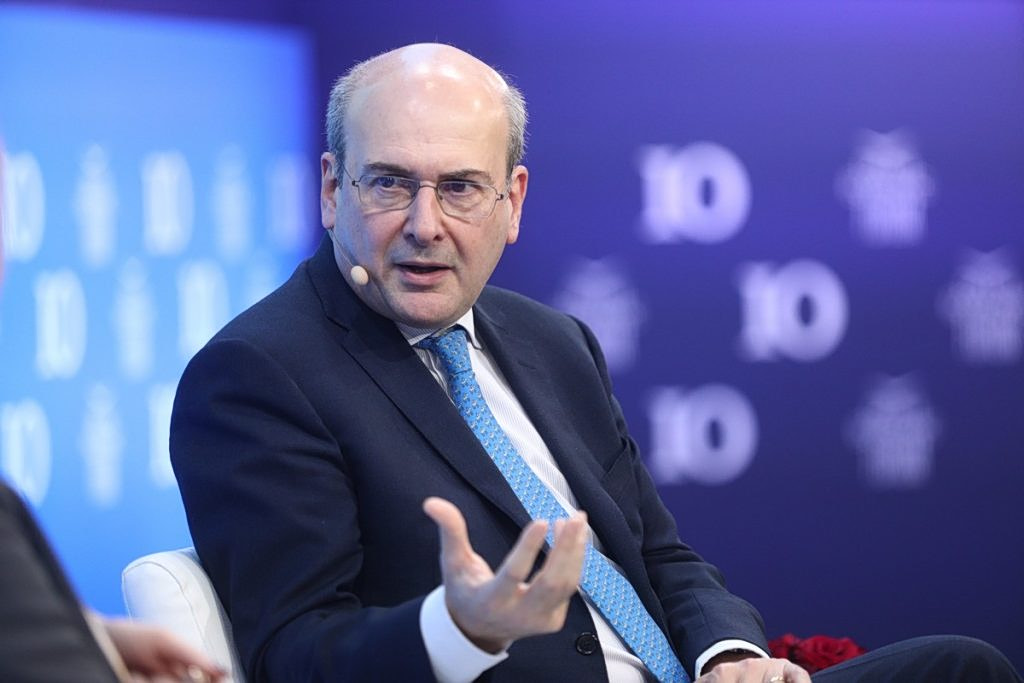
 Greece is prioritizing stability in its relations with Turkey while maintaining a firm stance on defense and diplomatic strategy, Deputy Prime Minister Kostis Hatzidakis said on Thursday. Speaking to Greek media, Hatzidakis highlighted the government’s aim to ensure “calm waters” in bilateral ties without compromising the country’s strategic interests.
Hatzidakis contrasted the current situation with the tense period of 2020–2021, when border incidents and security pressures, particularly at the Evros region, strained relations. Today, he noted, cooperation exists on certain issues, and the growing number of Turkish visitors to Greek islands under special visa arrangements signals an improvement in the climate.
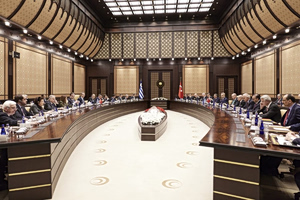
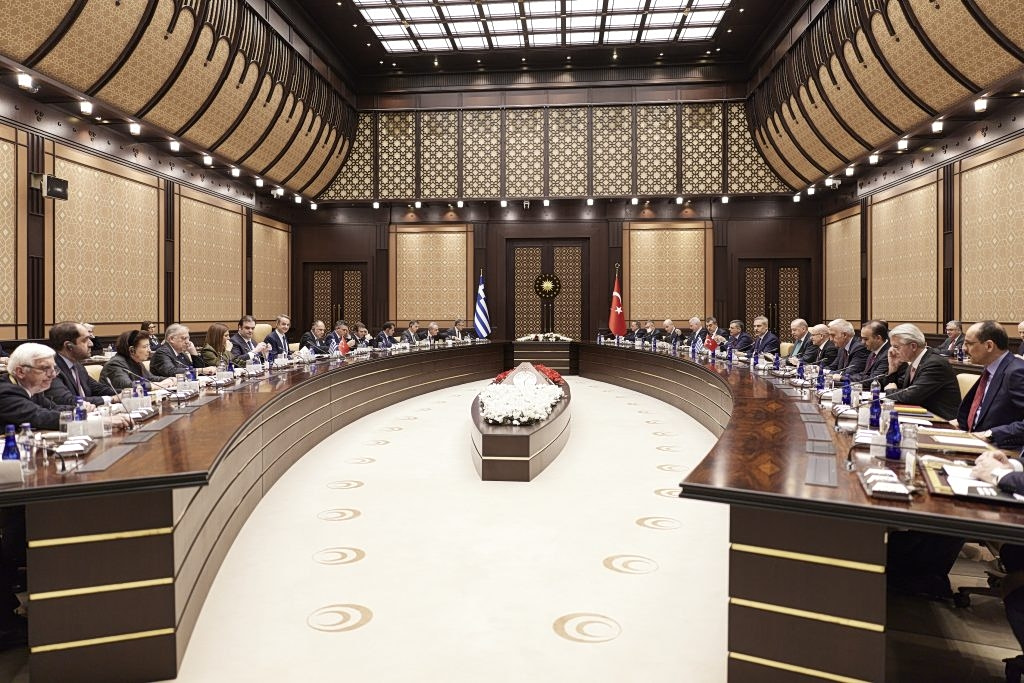
On the recent meeting between Prime Minister Kyriakos Mitsotakis and Turkish President Recep Tayyip Erdoğan, Hatzidakis reiterated Greece’s support for an agreement to take disputes over the continental shelf and Exclusive Economic Zone (EEZ) exclusively to the International Court of Justice in The Hague. These maritime boundaries, he stressed, are the only matters Greece recognizes as contested.
Energy and Defense Initiatives
Hatzidakis also emphasized Greece’s ongoing commitment to international law, pointing to energy and defense projects that strengthen its regional position. These include EEZ agreements with Egypt and Italy, maritime spatial planning, and ecological park development in the Aegean.
He highlighted energy partnerships, including hydrocarbon exploration with Chevron south of Crete and drilling agreements with Exxon in the Ionian Sea. These projects are linked to Greece’s rejection of the Turkey-Libya maritime deal and include infrastructure for transporting U.S. liquefied natural gas through Alexandroupolis.
On defense, Greece continues to bolster its armed forces with new Rafale fighter jets, the acquisition of F-35 aircraft, and modern frigates.
Hatzidakis stressed that Greece’s approach avoids “showy posturing” or domestic-focused foreign policy stunts, instead pursuing a balanced and realistic strategy to secure stability and national interests.